Ditching DATEM and Cutting Costs: The Enzyme You Might Be Missing
Consumers demand “clean label”. Removing DATEM (Diacetyl Tartaric Acid Esters of Monoglycerides) often means sacrificing dough tolerance, while egg price volatility threatens margins. The solution? A new generation of hydrolyzed lecitins and targeted enzymes that quietly outperform their synthetic predecessors.
For decades, DATEM (Diacetyl Tartaric Acid Esters of Monoglycerides) has been the industry standard for volume. It’s a “dough strengthener” beast.
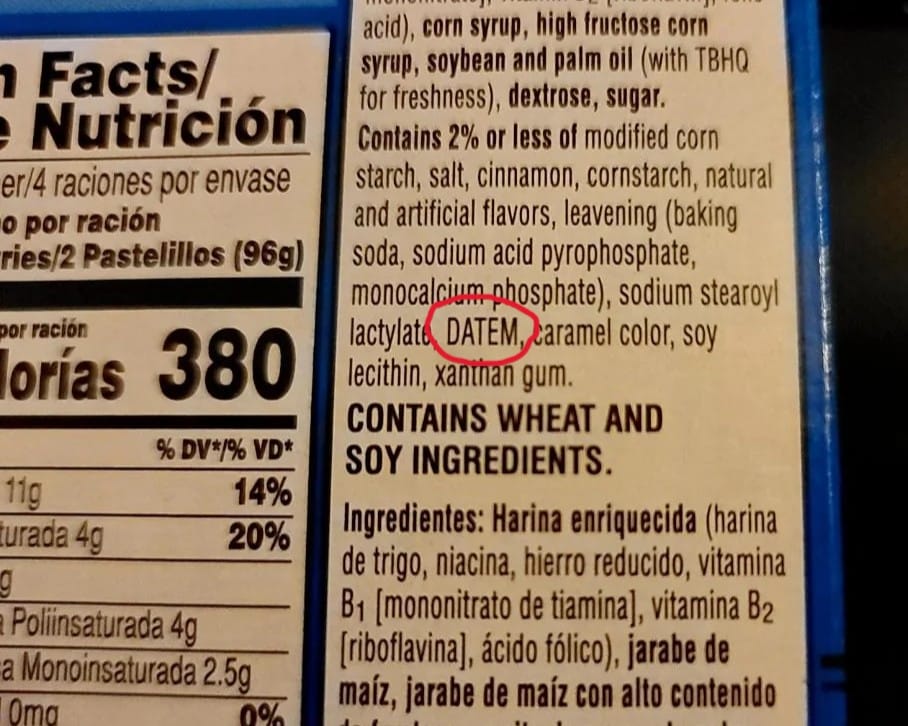
But it looks terrible on a label.
Migrating to Hydrolyzed Lecithin isn’t just a label swap; it’s a fundamental shift in surface chemistry.
- The HLB Shift:
Native lecithin is lipophilic (fat-loving), great for chocolate but mediocre for bread dough.
Hydrolyzing it with enzymes strips a fatty acid tail, turning it into a lysophospholipid.
This increases its Hydrophilic-Lipophilic Balance (HLB), making it water-loving enough to stabilize the oil-water interface in dough, much like DATEM does. - Starch vs. Gluten:
While DATEM aggressively cross-links gluten proteins for massive oven spring, hydrolyzed lecithin takes a dual approach. It stabilizes gas cells and complexes with amylose (starch).- Result: You might see slightly different oven spring dynamics, but you gain significant anti-staling properties and a finer, more uniform crumb structure.
The “Acti” Economic Shield: Cracking the Egg Cost Crisis
Egg prices are historically volatile, driven by avian flu cycles and feed costs.
The industry has moved beyond simple “replacers” (like gums) toward enzymatic restructuring.
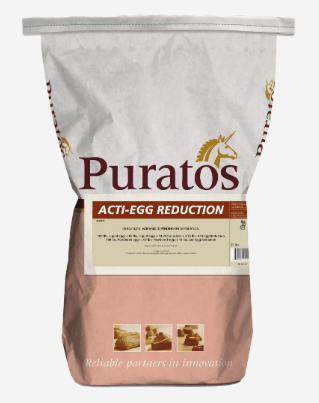
Puratos Acti Egg Reduction (highlighted in late 2025 launches) utilizes advanced Phospholipase technology.
- How it works:
Instead of adding an emulsifier, these enzymes modify the lipids already present in your flour and recipe.
They convert endogenous phospholipids into lysophospholipids, essentially manufacturing high-performance emulsifiers in situ during mixing. - The Payoff: This allows for a 30-40% reduction in whole egg content in cakes and muffins without collapsing the batter emulsion. You maintain the “lift” and structure, but the cost per batch drops drastically.
- Label Bonus: Since it’s a processing aid, it typically doesn’t clutter the ingredient deck with chemical names.
High-Sugar Doughs: Beating Osmotic Stress
Bakers know that high sugar levels (>5% to 15%) act as a preservative; killing not just yeast, but inhibiting many conventional enzymes.
This leads to dense, dry crumb structures in sweet goods.
Intens Fresh 3-30 Premium targets this “sugar inhibition” directly.
- The Mechanism:
Standard amylases (softeners) dehydrate and deactivate in high-sugar environments.
This new complex utilizes osmo-tolerant enzyme variants derived from extremophilic bacterial strains. - The Benefit:
It remains active even when available water is scarce (low a_w), ensuring that sweet breads and brioches retain softness for weeks rather than days.
It solves the paradox of reducing sugar (for health) while maintaining the moist mouthfeel consumers associate with high-sugar indulgence.
Sources
- Lasenor: Replacement of DATEM with Lecithin in Bakery Products
- BakerPedia: A Guide to Lecithin and Enzymatic Modification
- Puratos (General Portfolio & Mechanisms): Intens Freshness & Enzyme Technology
- ResearchGate: Bread improvers: Comparison of lipases with traditional emulsifiers