The Biological and Chemical Drivers of Bread Aroma
Struggling to achieve a crust that sings with flavor can dishearten even the most seasoned bakers. A dull aroma often points to missed opportunities in the oven’s initial moments rather than just recipe formulation.
Mastering steam application unlocks the enzymatic potential hiding on your dough’s surface, ensuring every loaf delivers an unforgettable sensory impact.
The Biological Engine of Flavor
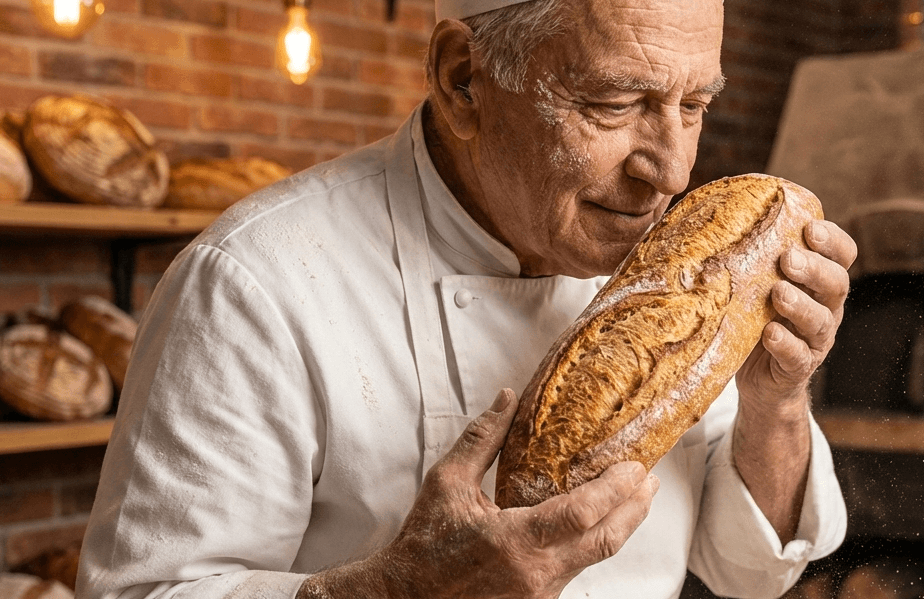
The allure of a fresh loaf is not merely a result of baking; it is the culmination of complex biological and chemical processes.
While many bakers focus on yeast primarily for its leavening capabilities, its role in flavor development is equally critical.
Much like the fermentation process in winemaking, where yeast transforms grape juice into a complex bouquet of spice and fruit notes, bread fermentation converts simple ingredients into a sophisticated aromatic profile.
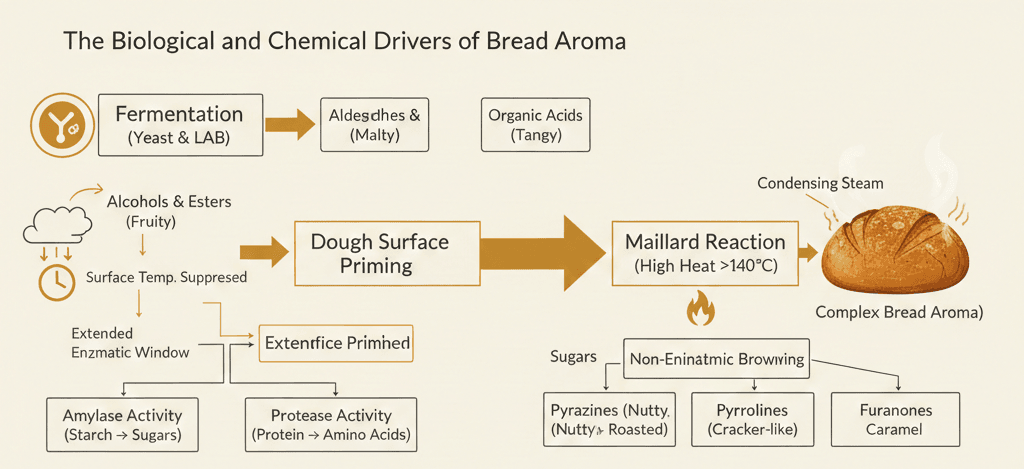
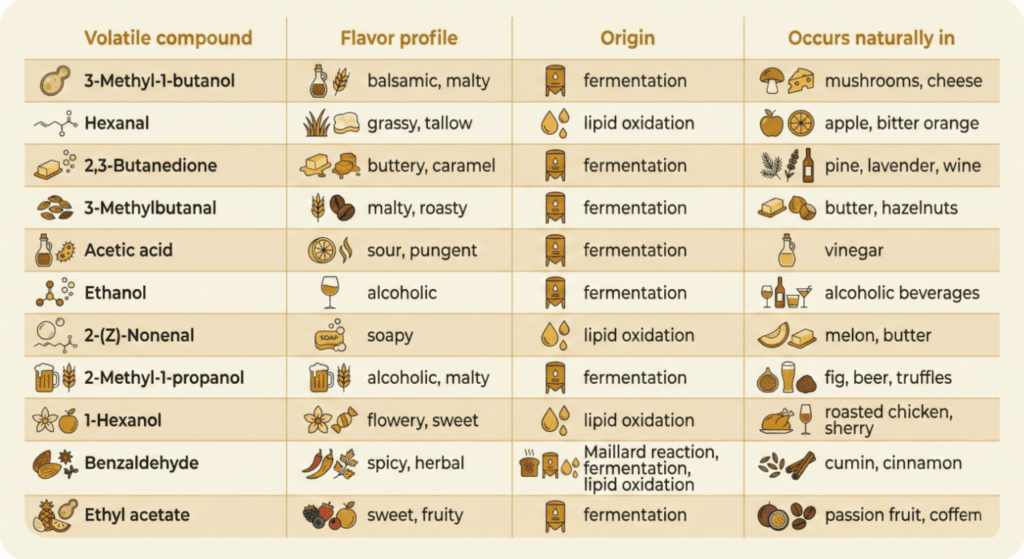
During fermentation, yeast cells and lactic acid bacteria (particularly in sourdoughs) metabolize sugars and generate a vast array of volatile organic compounds (VOCs). These compounds are responsible for the crumb’s internal aroma.
- Alcohols and Esters: Ethanol is the primary alcohol produced, but secondary alcohols and esters contribute fruity and solvent-like notes.
- Aldehydes and Ketones: These compounds may provide buttery, malty, or even green notes depending on the fermentation duration.
- Organic Acids: Lactic and acetic acids provide the characteristic tang. As noted in the source material, high concentrations of these volatile compounds (like pure vinegar) can be pungent; however, when dispersed within the bread matrix, they create a pleasant and balanced complexity.
The Critical Role of Steam in Surface Chemistry
While managing oven vents is essential, the initial application of steam plays a proactive role in aroma development that goes beyond simple crust formation. When steam condenses on the cool dough surface, it releases latent heat yet keeps the surface temperature momentarily suppressed below the point of enzymatic inactivation. This thermodynamic balancing act is crucial for flavor potential.
This delay in surface drying extends the operational window for enzymes located on the dough’s exterior.
- Amylase Activity: These enzymes continue to hydrolyze starch into reducing sugars, such as maltose, right at the surface.
- Protease Activity: Simultaneously, proteases break down proteins into amino acids before the crust sets.
This enzymatic surge effectively enriches the crust with a higher concentration of specific precursors. Consequently, a proper initial steam injection does not merely create a glossy finish through the formation of dextrins; it deepens the reservoir of reactants available for the subsequent browning phase.
The Maillard Reaction: The Crust’s Contribution
With the surface now primed with sugars and amino acids thanks to the steam, the high heat of the oven acts as the catalyst for the crust’s intense flavor. This is primarily driven by the Maillard reaction, a non-enzymatic browning process.
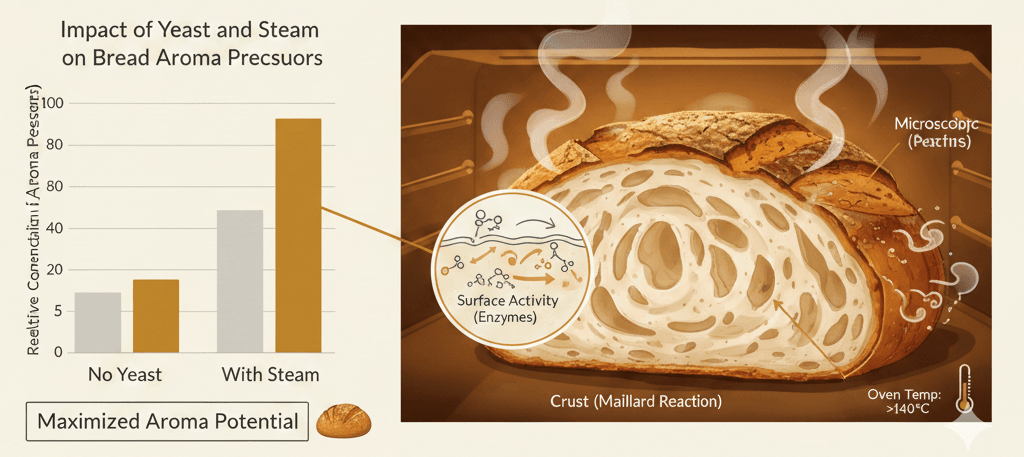
When the dough surface eventually surpasses temperatures of 140°C (280°F), the accumulated amino acids react with the reducing sugars generated during the steam phase. This reaction generates hundreds of distinct flavor compounds which may range from nutty and roasted to savory and floral.
- Pyrazines: These contribute significantly to roasted and nutty aromas.
- Pyrrolines: Specifically 2-acetyl-1-pyrroline is often cited as the quintessential “crusty bread” smell, described as popcorn-like or cracker-like.
- Furanones: These may add sweet, caramel-like notes to the crust profile.
The Synergy of Heat and Biology
The source text highlights a crucial experiment: baking bread with and without yeast. The unyeasted bread “paled in comparison” regarding aroma. This suggests that the Maillard reaction alone is insufficient to produce the full sensory experience of bread; it requires the biological precursors provided by fermentation and preserved by steam.
To maximize aroma, consider the following technical adjustments:
- Extend Fermentation: Longer bulk fermentation or cold retardation allows for a greater accumulation of organic acids and aroma precursors.
- Front-Load Steam: Inject steam immediately upon loading to maximize the enzymatic window on the surface, ensuring a rich supply of Maillard reactants.
- Optimize Venting: Vent steam only after the crust has set to allow for crisping, ensuring you do not dry the surface before the enzymes have done their work.
- Diversify Cultures: Incorporating sourdough starters alongside commercial yeast can broaden the spectrum of volatile compounds generated.
😊 Thanks for reading!
Sources:
- “The Factors of The Aroma of Bread” & “The Critical Role of Steam in Surface Chemistry” – Modernist Bred – Volume 6
- McGee, H. (2004). On Food and Cooking: The Science and Lore of the Kitchen. Scribner.
- Myhrvold, N. (2017). Modernist Bread. The Cooking Lab.
- Bread Science: The Chemistry and Craft of Making Bread by Emily Buehler