Why 71% of Consumers Just Want to Hear the Crunch?
Digital environments lack olfactory cues, forcing a pivot to auditory validation where sound proxies for freshness. ASMR-driven acoustic signatures could now determine product viability, with texture potentially eclipsing flavor in consumer hierarchy.
Market intelligence indicates a potential inversion in sensory priorities, where 71% of consumers may now prioritize texture over flavor.
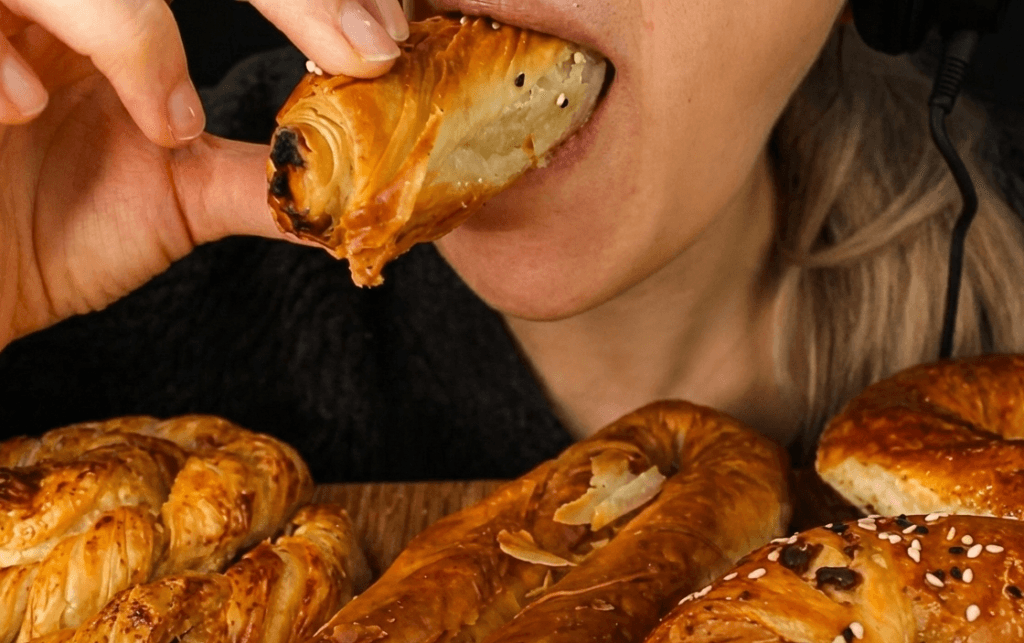
This behavioral shift drives specific rheological demands, evidenced by a reported 57% increase in “crunchy” and a 37% rise in “sticky” descriptors within online discourse over the last year.
This phenomenon suggests a psychology of “verifiable satisfaction.”
Without the ability to smell or taste a product digitally, the amplitude and frequency of a crust breaking might serve as the primary certificate of freshness.
The sound of the fracture acts as a technical validator for the remote observer.
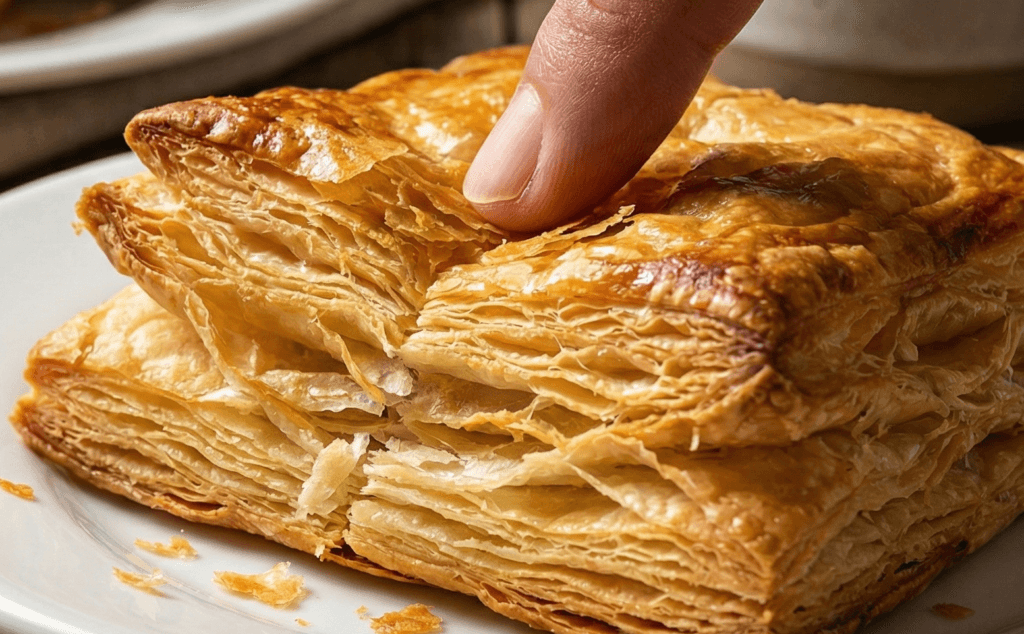
Technical Mechanism & Drivers:
- Auditory Proxy:
ASMR (Autonomous Sensory Meridian Response) formats utilize specific impact sounds (knives or nails against the crust) to demonstrate structural integrity. - Regional Quality Standards:
In Europe and South America, 46% and 30% of consumers respectively may associate audible crunch directly with artisanal quality. - Rheological Contrast:
The viral “sound test” relies on maximizing the differential between a rigid, brittle exterior and a high-moisture soft interior.
Operational Impact:
Formulation teams might need to adjust enzymatic activity and hydration levels to maximize crust hygroscopicity without compromising the crumb.
Production parameters, specifically baking profiles, could require tuning to ensure a thicker, more brittle crust that retains its acoustic properties post-cooling.
Quality assurance protocols might eventually need to incorporate acoustic decay measurements to ensure the product can pass the “viral sound test” after distribution.
😊 Thanks for reading!
Sources:
- https://plasticcontainercity.com/blog/post/2026-bakery-trends-whats-changing-in-commercial-baking
- The hottest bakery trends for 2026 | Taste Tomorrow, accessed January 20, 2026, https://www.tastetomorrow.com/inspiration/hottest-bakery-trends
- Bakery that makes 14 kinds of pastries every day – Korean street food – YouTube