High-Speed Pizza: Mechanical Rounding and Hot Pressing
Struggling with dough shrinkage or excessive scrap in high-speed pizza lines creates significant efficiency bottlenecks. Rather than relying solely on traditional sheeting, utilizing a combination of mechanical rounding and thermal pressing could offer a streamlined solution for consistent, high-quality crusts without the waste associated with rework.
In the competitive landscape of industrial pizza production, achieving product consistency at rates exceeding 10,000 units per hour is a formidable engineering challenge.
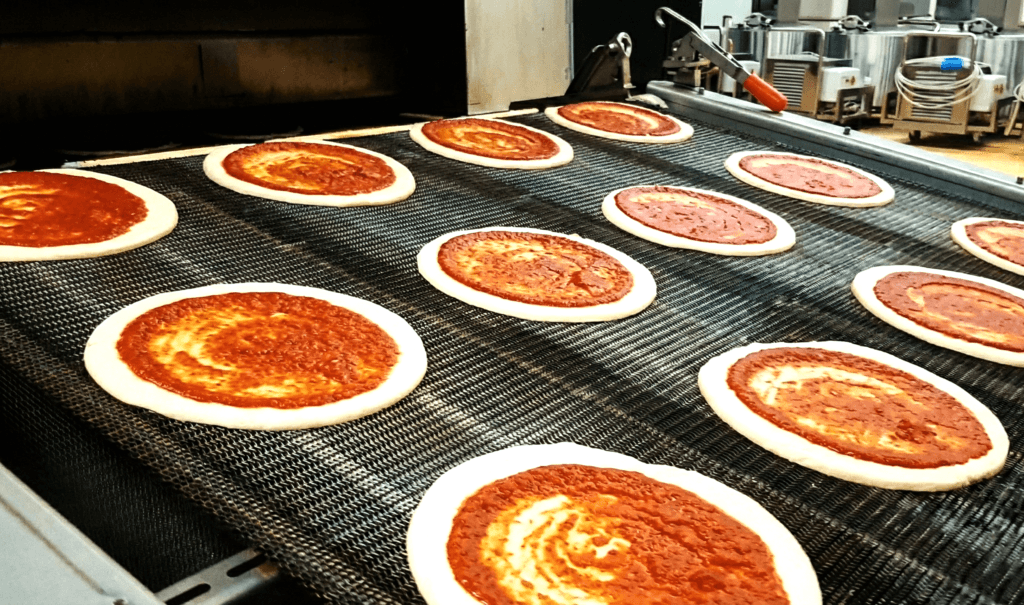
While traditional sheeting lines are common, they often introduce stress to the gluten network or generate significant scrap.
Modern high-throughput lines, such as those developed by Royal Kaak, utilize a specific synergy between mechanical rounding and thermal pressing to address these issues.
Structuring the Gluten Network
The journey to a high-quality crust begins long before the oven. It starts with how the dough ball is formed.
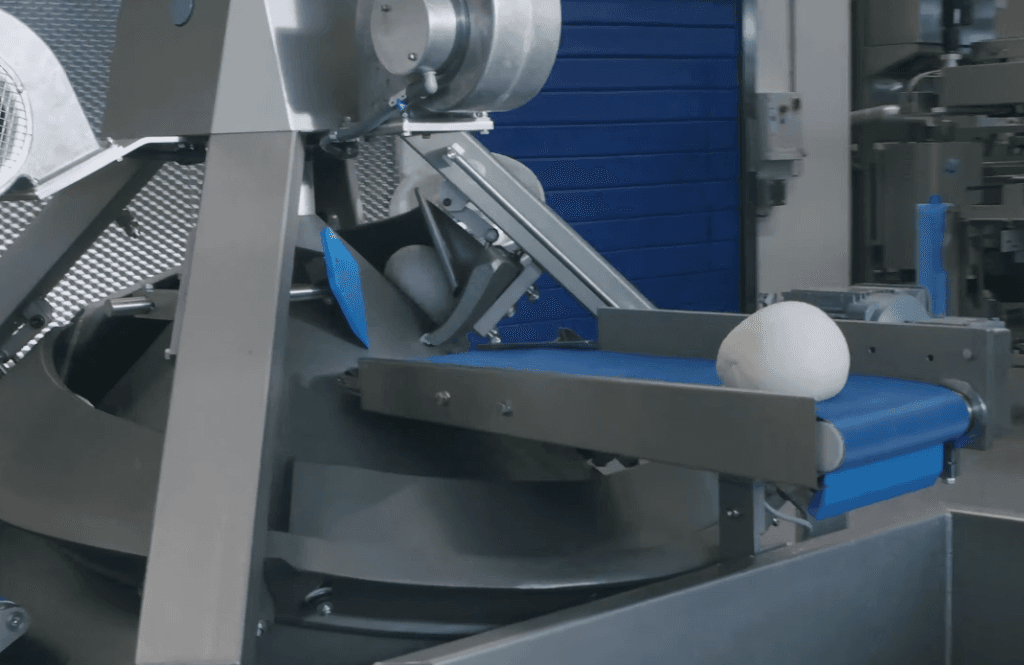
In cylinder and cone rounding systems, the objective extends beyond mere spherical shaping.
This process is designed to align the gluten network and create a continuous, smooth outer skin.
This structural alignment is critical for gas retention.
By sealing the cut surfaces of the dough, the rounding process helps trap the carbon dioxide produced during fermentation.
Without this step, the dough might lack the necessary tension to hold its shape, potentially resulting in a dense or uneven crumb structure during the baking phase.
The Dual-Stage Pressing Strategy
Once the dough has been rounded and allowed to ferment, the method of shaping defines the final texture.
A dual-stage approach, utilizing both cold and hot pressing, offers distinct advantages over single-step flattening.
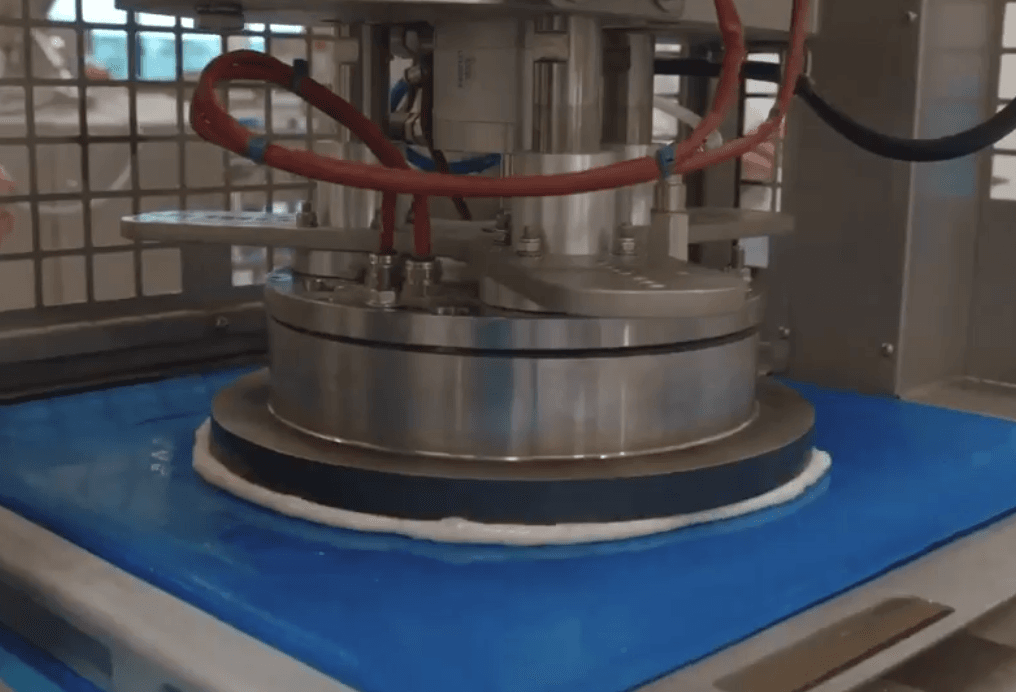
- Cold Pressing: The initial deformation is performed without heat. This gentle flattening respects the dough’s need for relaxation, reducing the risk of the gluten snapping back. Overworking the dough at this stage could lead to a rubbery texture that is difficult to chew.
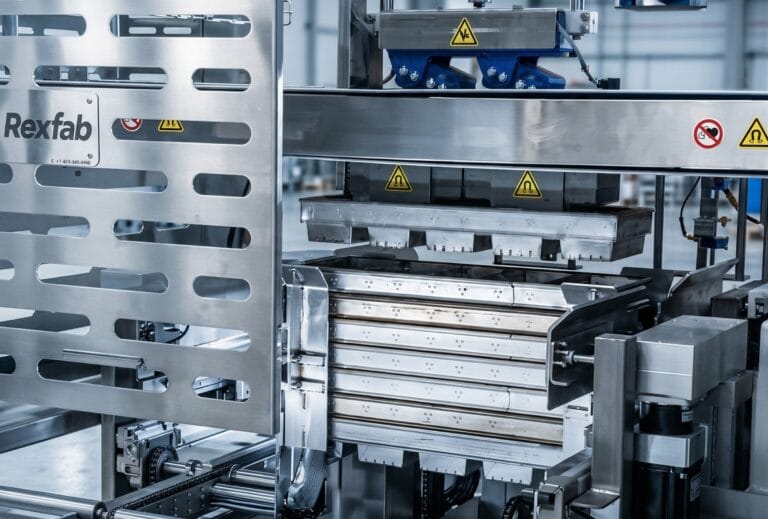
- Hot Pressing: The second stage involves heated plates that apply pressure and temperature simultaneously via conduction. This is where the final product characteristics are locked in.
The application of heat during the final forming stage serves multiple technical functions. It displaces the dough toward the perimeter to establish the precise diameter and aids in forming the cornicione, or raised edge, which is highly prized in artisanal-style products.
Furthermore, the immediate contact with the hot plate induces partial gelatinization of surface starches, which helps set the crust structure and prevents the dough from shrinking back after the pressure is released.
Efficiency and Waste Reduction
From an operational standpoint, the shift from sheeting to pressing individual balls can significantly impact yield.
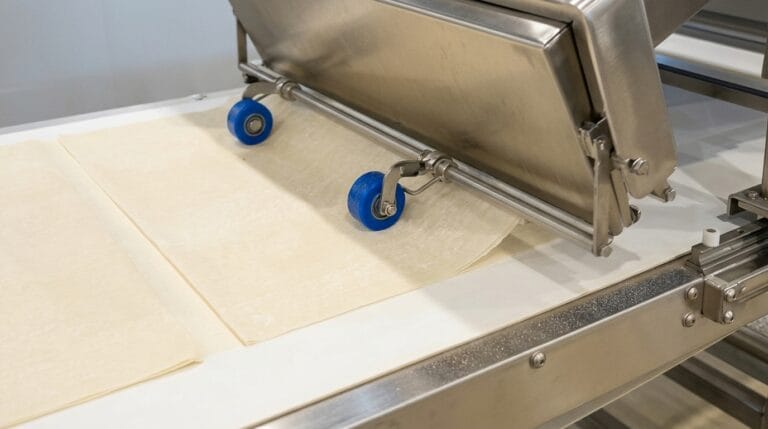
Traditional sheeting and cutting methods are subtractive, meaning a portion of the dough sheet—often between 20% and 60%, is left as scrap.
This scrap must be collected and reworked, which can alter the dough’s rheology and lead to inconsistency.
By adopting a pressing method, manufacturers process distinct dough balls.
This additive approach minimizes waste generation and eliminates the complex logistics of handling scrap dough, potentially leading to a more streamlined and profitable production line.
😊 Thanks for reading!
Sources:
- Royal Kaak Technology
- Handbook of Bakery and Confectionery, “Bakery and Confectionery Products Processing.”
- Biscuit Baking Technology, “Sheeting and Scrap Dough.”
- Cauvain, S. P., & Young, L. S. (2007). Technology of Breadmaking.
- Rosell, C. M., & Collar, C. (2009). Effect of temperature and consistency on wheat dough performance.