Why Your Puff Pastry Layers Are Cracking (and How to Fix It)
When margarine cracks or oil bleeds into the dough, the characteristic flaky layers vanish. The solution lies in mastering interfacial tension to ensure extreme plasticity and thermal stability during the critical expansion phase.
Stretching five kilos of margarine across 500 square metres is a standard yet extreme demand on material science.
If the fat phase lacks sufficient plasticity, the margarine breaks during the lamination process, leading to poor expansion and a brittle, hard crumb.
Technical success in puff pastry depends entirely on keeping layers of margarine and dough separate until the proteins denature and starches begin to swell.
The Science of Stretching Without Breaking
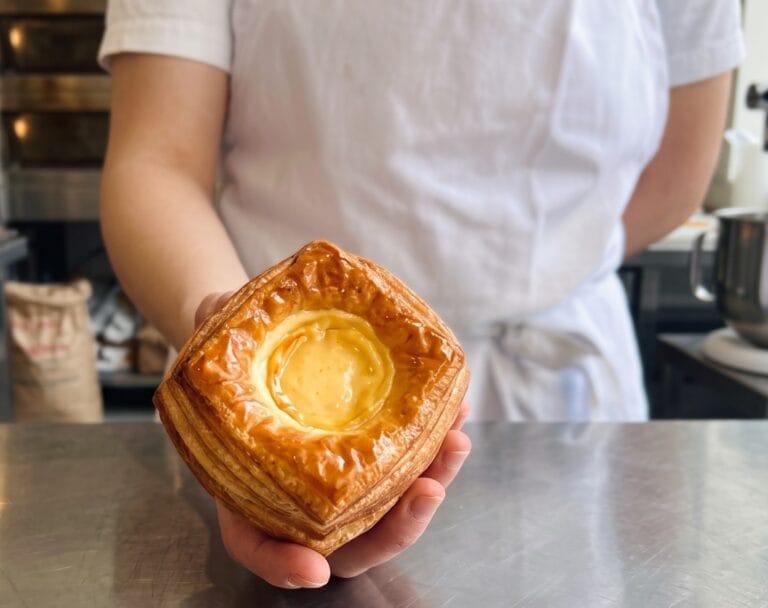
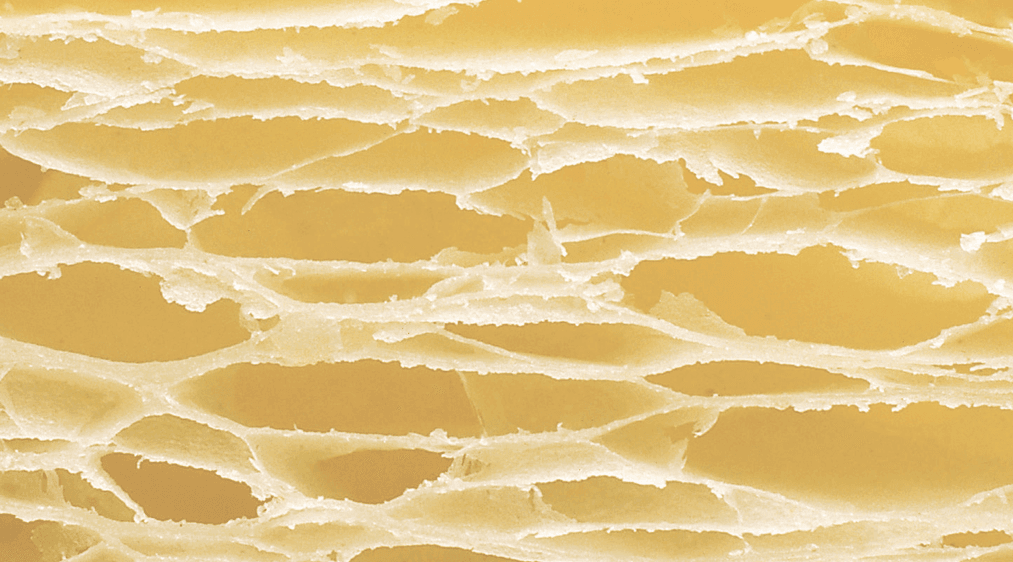
To achieve the “puff” in pastry, the margarine must act as a continuous, thin film that remains intact throughout the folding process.
Emulsifiers are the silent workhorses here, as they do more than just stabilize water-in-oil emulsions; they actively influence the crystallization speed of the fat. This creates a finer crystal network that entraps liquid oil, providing the necessary structure for high-performance lamination.
By integrating specialized emulsifier blends, manufacturers can achieve several critical advantages:
- Fine Water Distribution: Ensuring water droplets are equally distributed to prevent “leaks” or steam pockets that can cause uneven lift.
- Improved Plasticity: Allowing the fat to stretch without fracture, which is the cornerstone of a perfect flake structure.
- Thermal Stability: Maintaining the emulsion’s integrity during both manufacturing and the high-heat environment of the oven.
- Expansion: Ensuring good lamination and expansion in the final pastry.
The Counter-Intuitive Shift: High Performance with Less Fat
It is a common misconception that high fat content is the only way to guarantee a light, flaky croissant.
However, advanced emulsifier systems now enable a significant reduction in fat content, moving from the traditional 80% down to as low as 50 % or even 35% in some successful trials.
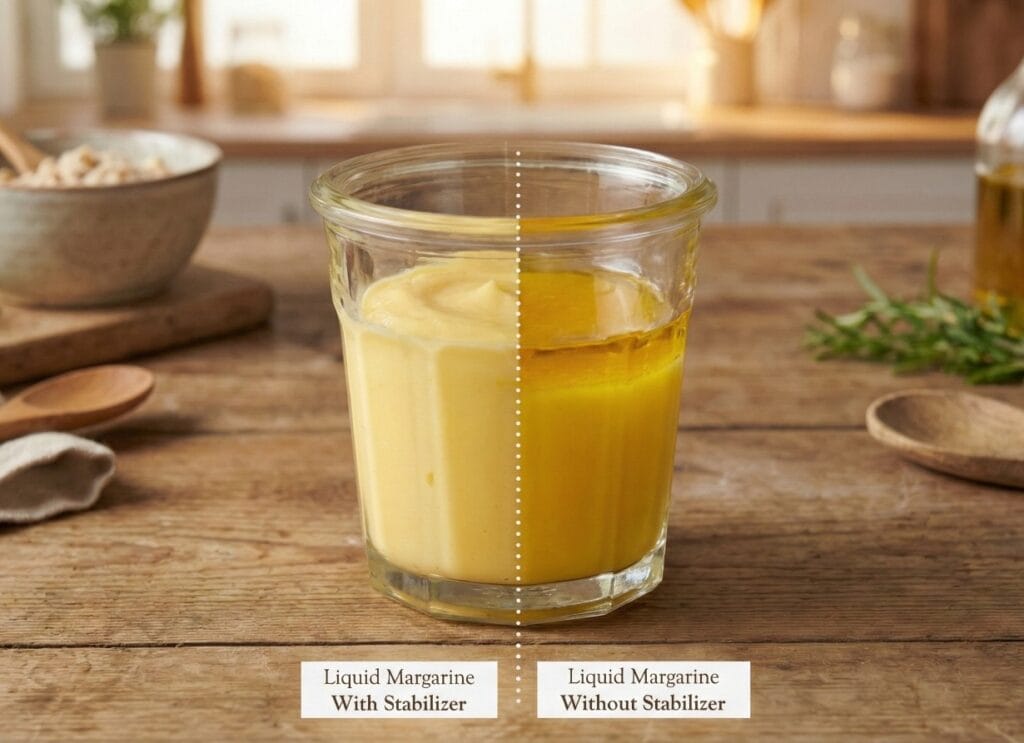
This is achieved by reducing the surface tension between the water and fat phases, creating a stabilized system that mimics the lamination and expansion of full-fat versions.
The result is a dry, plastic margarine that provides a stable, light pastry while meeting the growing consumer demand for healthier profiles and lower production costs.
Optimization Beyond the Ingredient List
Formulation is only half the battle.
Achieving the ideal fat structure requires precise control over the production environment. This involves managing super-cooling, aggregation, and the polymorphic transition of the fat crystals.
Utilizing application centers to simulate these processes allows for the fine-tuning of temperature and pressure, ensuring the final product maintains its correct crystal bond structure for maximum plasticity.
Sources: Oils and fats emulsifiers – by Palsgaard
Learn more at https://www.palsgaard.com/
For further reading on key industry advancements, see our featured guides: How to Prevent Fat Bloom in Chocolate-Coated Bakery Products: Radiant vs. Convective Cooling, Dense Cookies and Fluctuations in Expansion: Diagnosing and Controlling Sugar Particle Size, and Autonomous Pan Washing for Industrial Bakeries.