Optimizing Rye Flour Structure
Struggling with density in 100% rye loaves? Treating rye like wheat often leads to heavy textures because the protein chemistry differs entirely. By mastering the role of pentosans and selecting the right grind, bakers can achieve lighter, more flavorful results without relying on standard gluten development.
The Chemical Divergence: Wheat vs. Rye
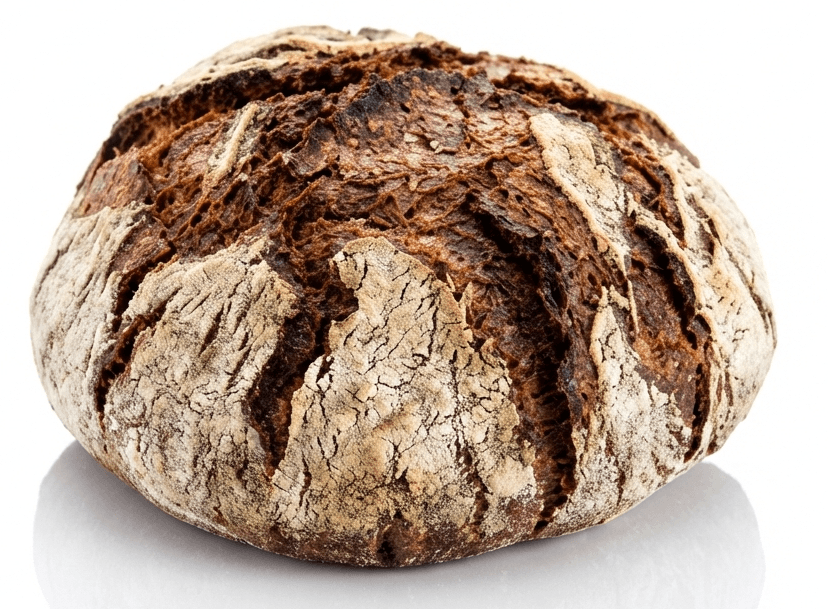
While wheat flour dominates the market due to its ability to create lofty, aerated structures, rye is frequently viewed as a secondary ingredient used largely for flavor coloring.
However, rye possesses a unique chemical profile that requires a distinct approach to fermentation and hydration.
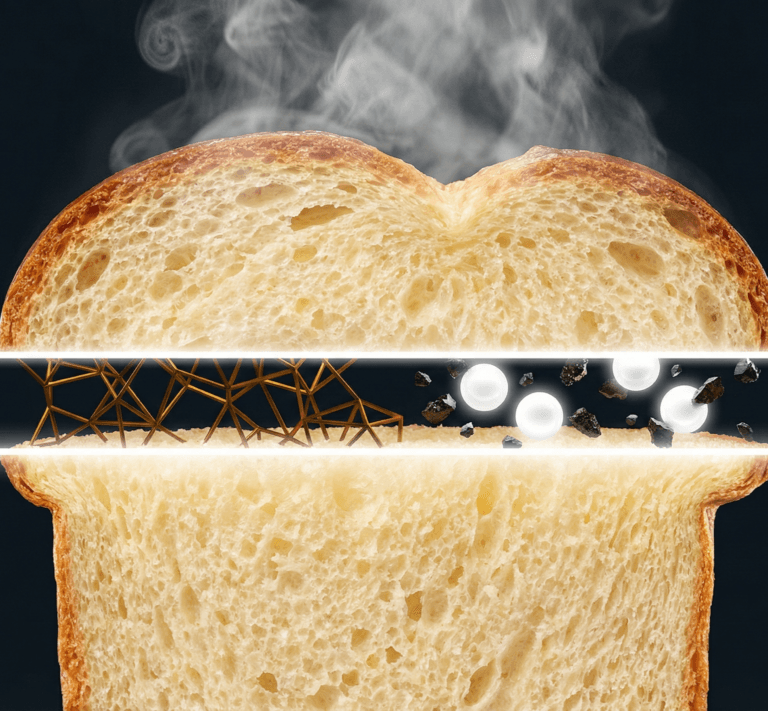
Rye flour operates under a different set of chemical rules. Rather than relying on a gluten network, rye builds structure through starches and pentosans (large, complex sugar molecules).
- Protein Composition: Rye contains glutenin and gliadin, but the ratio differs significantly from wheat. This particular balance prevents it from producing enough gluten to form an elastic dough.
- The Role of Pentosans: Without a gluten mesh, structure is derived from starches and pentosans. Pentosans have a high water-absorbing capacity but do not form an elastic mesh like gluten; instead, they form a viscous gel that traps gas.
Other grains such as rice or quinoa lack the capacity to form elastic networks entirely and usually require binders or starches to mimic structure in gluten-free applications; however, rye sits in a unique middle ground where it can support itself if handled correctly.
Categorizing Rye Breads
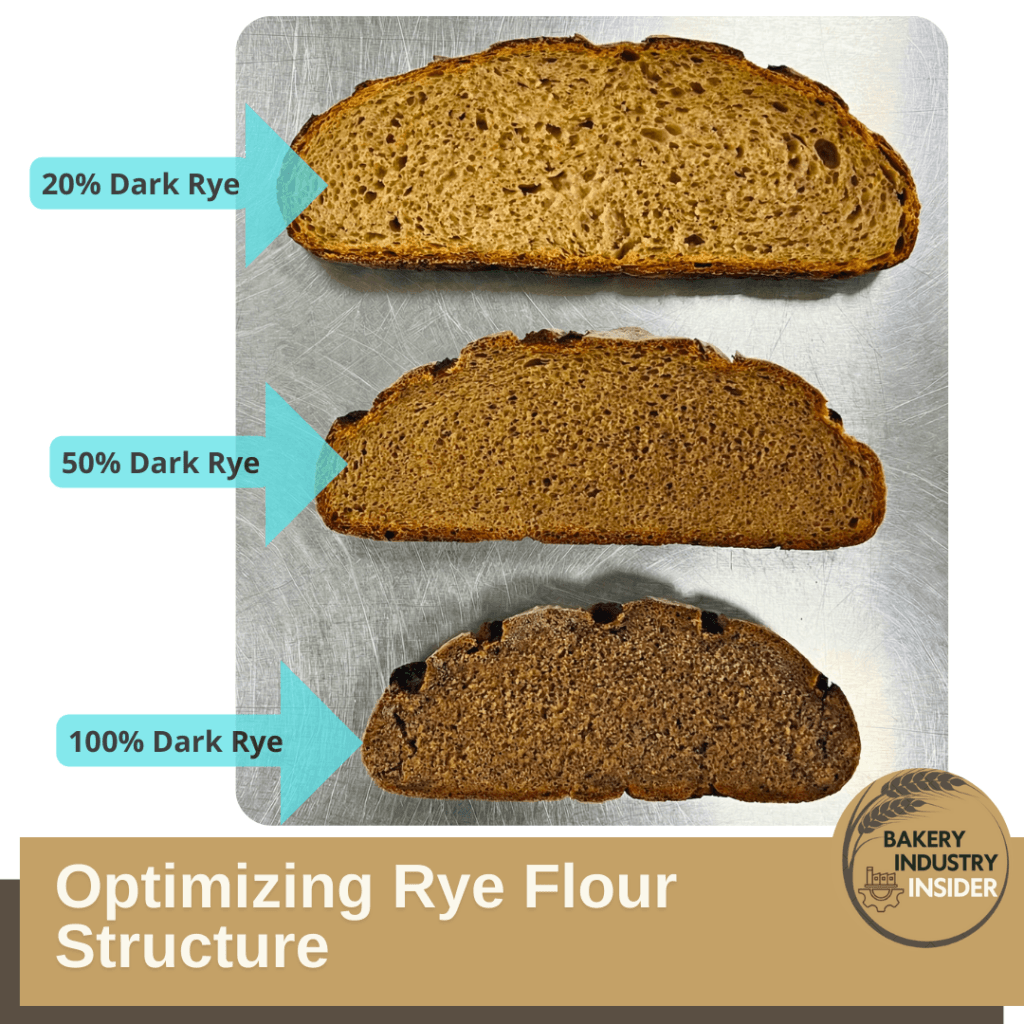
Understanding the percentage of rye in a formula is critical for predicting crumb structure and mixing requirements.
We generally divide these into three distinct categories:
- Enriched Ryes (Farmer’s Rye): These typically contain between 10% and 30% rye flour. The wheat flour provides the structural heavy lifting, while the rye adds flavor notes.
- Intermediate Ryes: Containing 30% to 60% rye flour, these loaves begin to behave more like 100% rye breads during mixing and fermentation.
- 100% Rye Breads: These loaves rely entirely on the starch-pentosan network. When made with coarse rye flour typical in the United States, the result is often a dense, brick-like structure.
The Milling Factor: Coarse vs. Fine
A common frustration for bakers in the Americas is the inability to replicate the lighter 100% rye loaves found in Austria or Germany.
This disparity might stem from milling specifications rather than the grain itself.
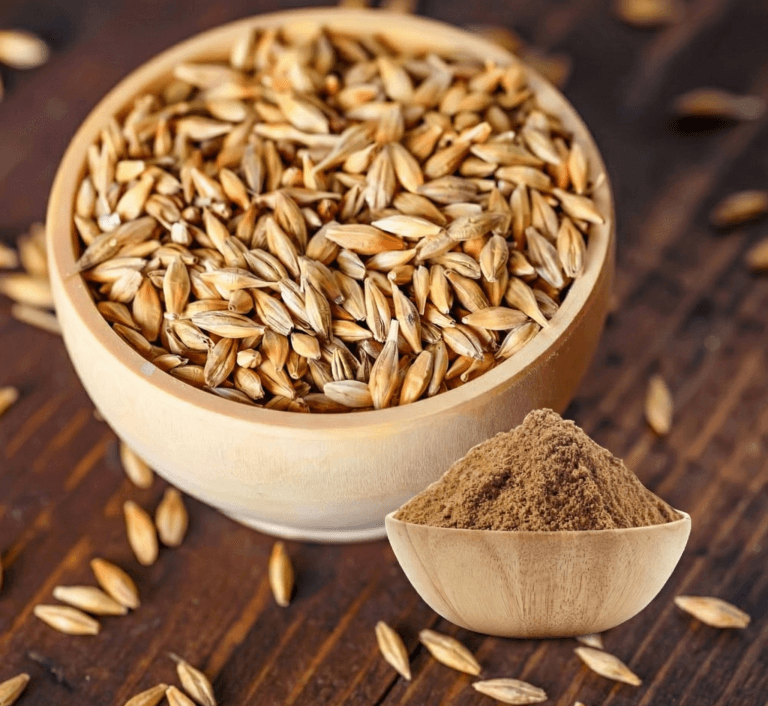
- Coarse-ground rye (typically available in the US) lacks the surface area to hydrate rapidly and fully, which often results in a dense texture because it lacks the continuous network found in wheat.
- Finely ground rye may produce a slightly less dense loaf and allows for better hydration of the pentosans.
Evidence suggests that American millers could produce results similar to their European counterparts by adjusting the grind.
For bakers, sourcing finely milled rye or exploring “high-rye” breads (finely ground 100% rye) may offer a path away from the dense “brick” and toward a more palatable, airy crumb.
Strategic Considerations
When formulating with high percentages of rye, consider the following technical adjustments:
- Hydration Management: Due to the absorbency of pentosans, hydration levels may need to be higher than wheat doughs to prevent the crumb from becoming dry or crumbly.
- Acidification: Rye has high amylase enzyme activity. Using a sourdough culture (acid) is often necessary to lower the pH, which slows down amylase activity and prevents the “starch attack” that can make the crumb gummy.
- Mixing Time: Extensive mixing is generally unnecessary and potentially detrimental, as there is no gluten network to develop and the pentosan gel structure can be damaged by over-mixing.
😊 Thanks for reading!
- Bread: A Baker’s Book of Techniques and Recipes by Jeffrey Hamelman (Reference for pentosans and amylase activity)
- The Bread Baker’s Apprentice by Peter Reinhart (Reference for glutenin/gliadin ratios)