The TikTok Wrap: How Dairy Proteins are Disrupting the Tortilla Aisle
Consumers are demanding high-protein options, but traditional low-carb wraps often suffer from poor texture and “cardboard” flavor profiles. The solution might be hiding in a viral social media trend. The “Cottage Cheese Flatbread” offers a functional protein matrix that could revitalize the “Better-for-You” tortilla category with the right industrial scaling.
The bakery industry has historically been slow to adopt internet fads, yet the “Cottage Cheese Flatbread” phenomenon represents a shift we should pay attention to.
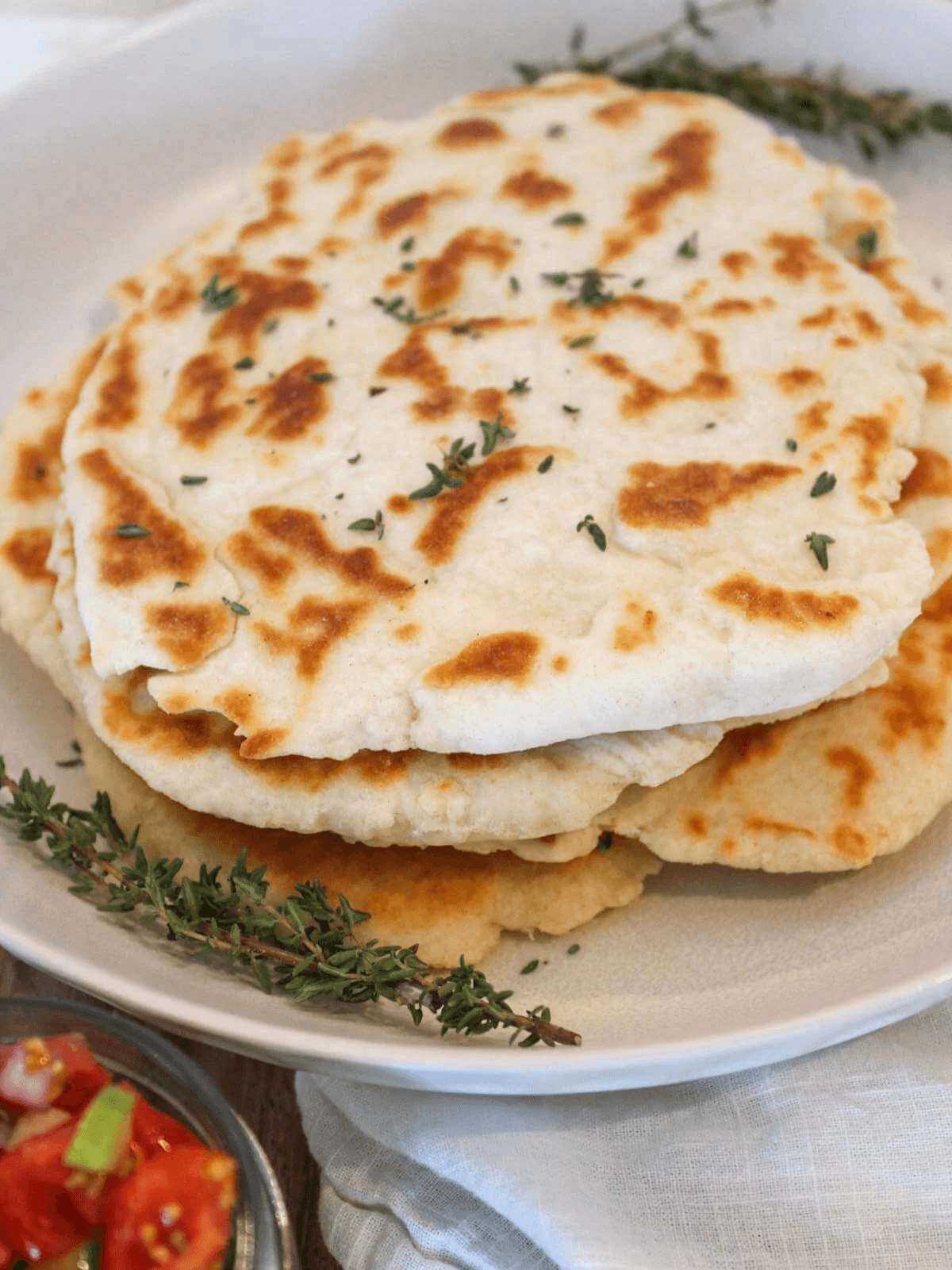
Born on TikTok in late 2024, this concept involves blending cottage cheese, eggs, and spices to create a pliable, high-protein wrap.
While home bakers are doing this in blenders and baking on parchment paper, the industrial opportunity lies in refining this crude batter into a consistent, machine-friendly product. Here is how we can translate this viral hit into a viable plant-floor reality.
The Nutritional Mechanics
The core appeal of this product is the macronutrient profile. Unlike traditional flour tortillas or gluten-free alternatives based on starches (tapioca, rice), this matrix is structurally supported by protein coagulation.
- Protein Density: A standard formulation can deliver significantly higher protein per serving compared to wheat-based wraps.
- Carbohydrate Reduction: By relying on dairy solids and egg proteins rather than starch gelatinization for structure, the net carb count remains minimal, appealing to Keto and Carnivore demographics.
- Clean Label Potential: The base ingredients are recognizable, meeting the demand for “kitchen-cupboard” ingredient lists.
Challenges in Industrial Translation
Taking a wet, curd-based batter to a high-speed line presents rheological hurdles.
The home recipe is often too inconsistent for mass production, varying wildly based on the moisture content of the specific cottage cheese brand used.
To scale this, R&D teams should focus on stabilizing the matrix:
- Standardizing Solids:
Reliance on fresh cottage cheese can introduce moisture variability. Incorporating functional milk protein concentrates (MPC) or whey protein isolates may help standardize the total solids content, ensuring a consistent bake time and texture. - Viscosity Control:
The batter needs to hold its shape. Hydrocolloids or clean-label fibers (such as citrus fiber or psyllium husk) can be used to manage water activity and viscosity. This ensures the batter can be pumped and deposited accurately without spreading uncontrollably. - Texture Engineering:
A common complaint with the home-made version is a “rubbery” or “eggy” texture. Adding small amounts of almond flour or resistant starch might break up the protein network just enough to provide a more bread-like bite.
Processing Considerations
You likely cannot run this on a standard dough sheeter without significant formulation changes to create a dough-like consistency. Instead, consider these approaches:
- Batter Systems: This product lends itself well to continuous belt ovens with depositing manifolds, similar to crepe or pancake lines.
- Pressing Technologies: If the viscosity is increased enough via fibers and gums, it might be adapted for heat-press tortilla lines, though stickiness will be a major control point.
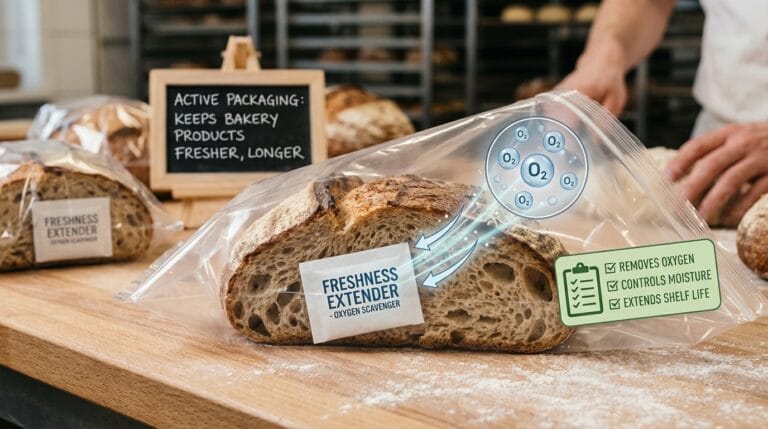
- Shelf Life: High moisture and protein content create an ideal environment for spoilage. Strict pH control, perhaps through the addition of vinegar or cultured sugar, along with Modified Atmosphere Packaging (MAP), will be essential for retail distribution.
😊 Thanks for reading!
Sources
- User Provided Text: Section 7.1 El Fenómeno del “Cottage Cheese Flatbread”.
- TikTok Trends Analysis 2024: Viral Recipes and Consumer Behavior.
- Bakery production technology reference: Rheology of high-protein batters.
- Journal of Food Science: Application of Hydrocolloids in Gluten-Free Breadmaking.
- Grand View Research: Protein Tortilla Market Size & Growth 2024-2030
- U.S. Dairy Export Council: Milk Protein Concentrates in Manufacturing
- CRB Group: Scaling Food Production – Critical Dos and Don’ts
- HART Design: Cottage Cheese Popularity Sparks Industry Innovation
- Think USADairy: Using Whey Ingredients in Bakery Applications
- MDPI: Incorporation of Protein Alternatives in Bakery Products
- Technavio: Ketogenic Diet Market Analysis 2025-2029
- Real Simple: Technical breakdown of the Viral TikTok Flatbread