The High-Sugar Headache: Solving Osmotic Inhibition Without Adding Yeast
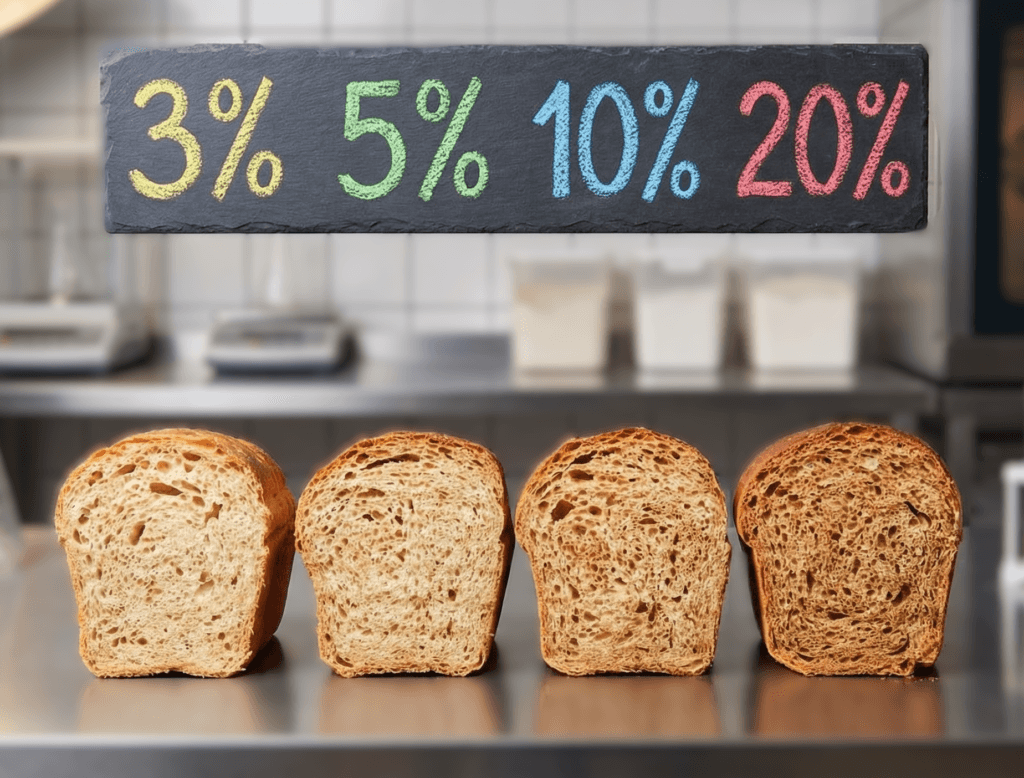
High sugar levels (>5%) in your dough creates an “osmotic trap” that suffocates yeast and stifles volume, forcing you to overcompensate with expensive ingredients. It can be solved by specialized enzymatic complex.
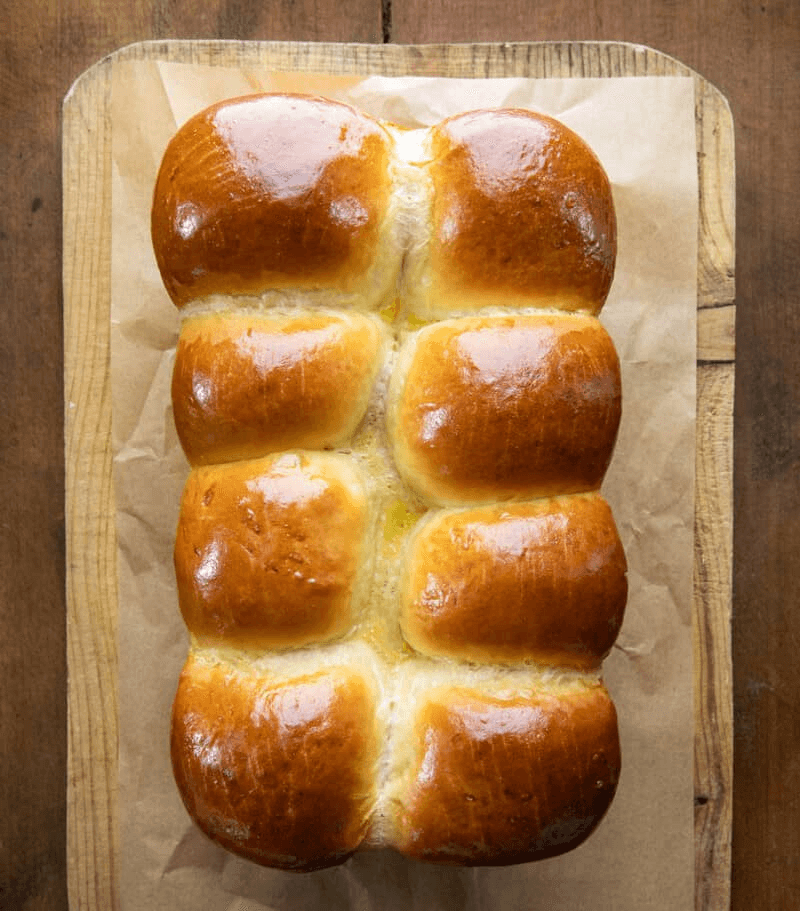
We all love the golden crust and tender crumb of a brioche or a sweet roll, but let’s be honest about the headache that comes with them.
When you push sugar content past the 5% mark, you aren’t just sweetening the dough; you’re creating a hostile environment for your yeast and enzymes.
This is known as osmotic inhibition.
Essentially, sugar is a water hog; it binds so tightly to the available water in your formula that the yeast struggles to hydrate and ferment efficiently.
The result?
You might see reduced volume, a tighter crumb, and a product that goes stale faster than it should.
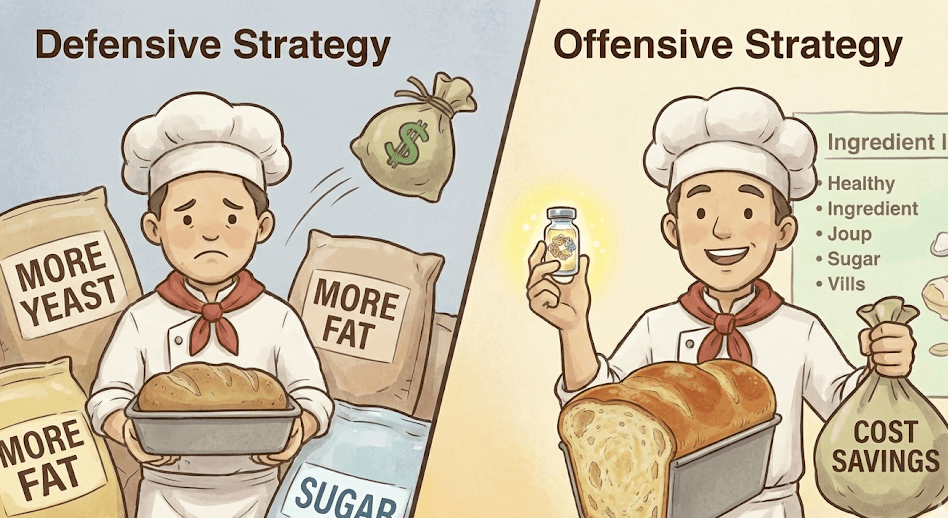
Historically, the “fix” has been expensive: adding more yeast, more fat, or simply accepting a shorter shelf life.
But new developments in enzymatic technology, specifically Intens Fresh 3-30 Premium from Puratos, suggest we can finally stop fighting this battle with brute force.
The “High-Sugar” Specialist
Unlike standard enzymes that may become sluggish in high-osmolarity environments (lots of sugar/solutes), this complex is engineered to remain active even when water activity is low.
- Restoring Volume: By mitigating osmotic pressure, the dough may achieve better oven spring and gas retention, even if you decide to reduce the sugar content in the recipe.
- Texture Resilience: It promotes a crumb structure that resists staling, potentially keeping high-sugar items soft for weeks rather than days.
The Cost-Cutting Angle
Here is where the technical meets the financial.
Because this solution maintains volume and softness in lower-sugar formulations, it opens a door to reformulation without degradation.
- Reduce Added Sugar: You could dial back sugar percentages to save on raw material costs—a significant lever given current commodity volatility.
- Healthier Labels: Less sugar also appeals to the “permissible indulgence” trend consumers are chasing.
- Extended Sales Window: Improving freshness (some data suggests up to 50% longer shelf life compared to older technologies) means less waste at the retail level.
By switching from a defensive strategy (overloading ingredients) to an offensive one (using targeted enzymes), you can protect your margins and your crumb structure simultaneously.
😊 Thanks for reading!
Sources
- Puratos U.S. Launches New Cost Reduction Solutions to Support Bakers – Puratos US News
- Osmotic Stress Signaling and Osmoadaptation in Yeasts – National Institutes of Health (NIH)
- Sugar loss and enzyme inhibition due to oligosaccharide accumulation – National Institutes of Health (NIH)