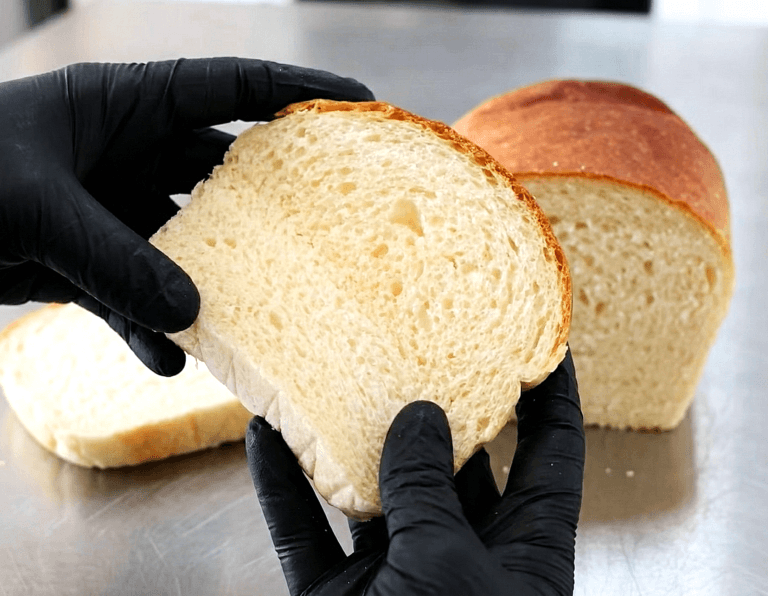
The Calcium Propionate (E282) Replacement and The End of “Cheesy” Bio-Preservation.
Struggling to remove Calcium Propionate (E282) without sacrificing shelf life? New biotech offers a workaround; generating the preservative inside the dough so you don’t have to list it.
For decades, the industry has relied on Calcium Propionate (E282) as the gold standard for anti-mold defense in long-life bakery products.
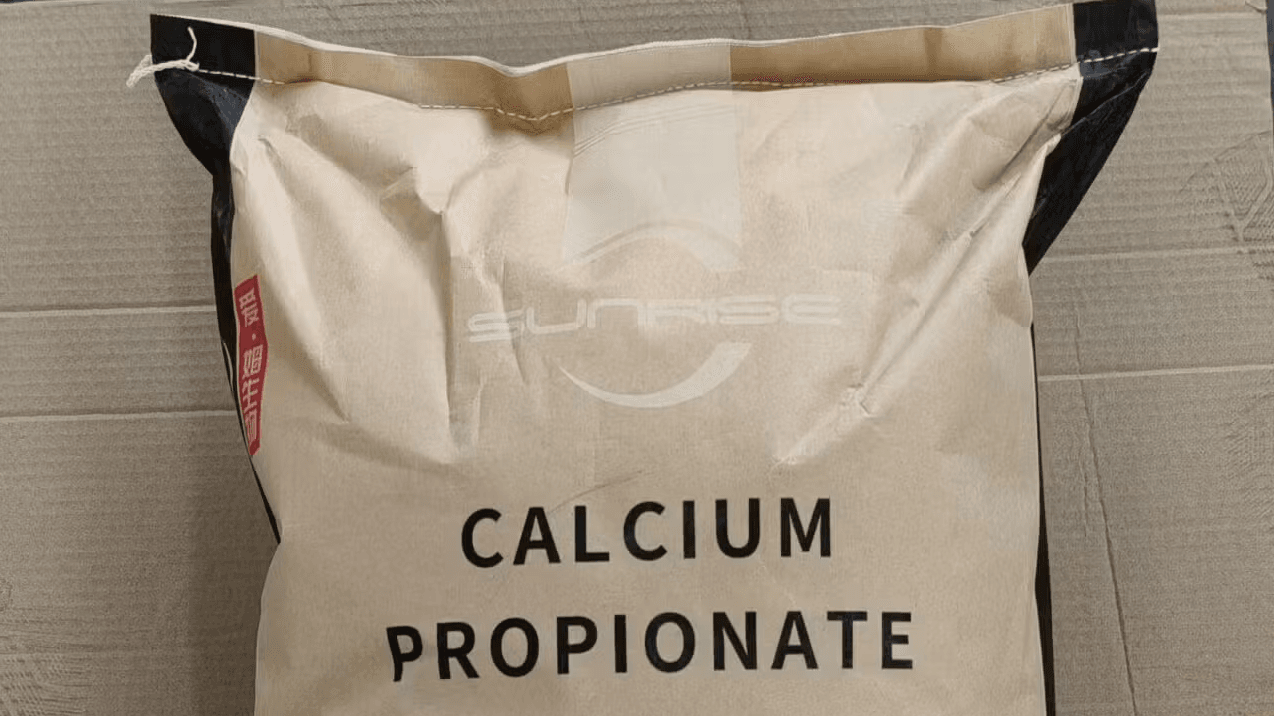
It is effective, cheap, and reliable.
However, it is also a “red flag” on ingredient lists for label-conscious consumers.
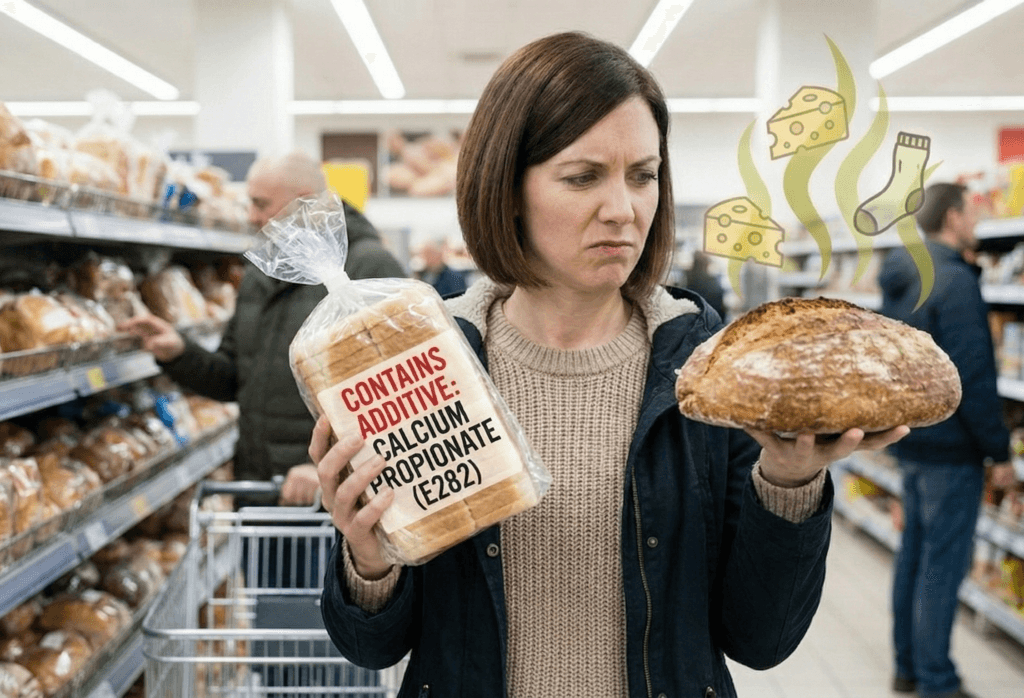
The historical alternative; bio-preservation using Propionibacterium (the bacteria responsible for the holes and flavor in Emmental cheese); has faced a massive sensory hurdle.
While these bacteria produce propionic acid naturally, they often leave bread tasting distinctly “cheesy” or pungent.
The Innovation: Patent EP4307904A1
AB Enzymes GmbH recently published patent EP4307904A1 (and its related family members), which proposes a sophisticated solution to this sensory deadlock.
The core innovation isn’t just adding a new enzyme; it is a controlled co-culture fermentation method.
- The Mechanism: The method admixes Lactic Acid Bacteria (LAB) and Propionic Acid Bacteria (PAB) directly into the flour-water matrix.
- The Symbiosis: LAB produces lactic acid, which creates the necessary acidic environment and carbon source that PAB can utilize to generate propionic acid endogenously.
- The Result: Significant levels of propionic acid are generated in situ. Because it is a metabolite of fermentation rather than an added salt, it may allow for “preservative-free” or “cultured wheat flour” labeling, depending on local regulations.
Why This Matters Now?
The genius of this approach lies in the ratio and timing.
The patent suggests that by carefully selecting specific strains and incubation parameters, the “off-notes” typically associated with propionic fermentation (that sharp, sweaty cheese aroma) can be masked or minimized by the bacterial metabolic balance.
This allows for a dual benefit:
- Extension of Shelf Life: The endogenous propionic acid functions exactly like added E282, effectively inhibiting mold growth in sliced breads.
- Flavor Modulation: The lactic acid component provides a mild sourdough-like acidity that consumers generally perceive as “fresh” or “artisanal,” potentially offsetting the PAB flavor profile.
Market Context & IP Landscape
This development aligns with broader IP trends we see from giants like General Mills and Bimbo, who are aggressively filing for “kitchen cupboard” preservation methods.
The industry is moving away from removing preservatives (which increases waste) and toward hiding them in plain sight through biological processes.
If this co-culture method scales effectively, we might see a shift where “cultured flour” becomes the standard anti-mold agent, rendering synthetic calcium propionate obsolete for premium lines.
😊 Thanks for reading!
Sources
- AB Enzymes GmbH. (2024). Microorganisms for Dough Production (Patent Application US20240156109A1 / EP4307904A1). Google Patents Link
- National Institutes of Health (NIH). (2023). Bread Biopreservation through the Addition of Lactic Acid Bacteria. PubMed Link
- Laboratory of Food Biotechnology. (n.d.). Development of multifunctional bakery bioingredients. ETH Zurich Research