New enzyme-hydrocolloid complex replaces 90% of vital wheat gluten in composite flour applications
Rising vital wheat gluten costs and the use of composite flours threaten dough stability; a new enzyme-hydrocolloid complex replaces added gluten at a 1:10 ratio, optimizing structure and slashing raw material costs for industrial bakers.

Market pressure is forcing many industrial lines to process weaker flours or composite blends containing maize, soy, or cassava. The standard fix has been dosing expensive vital wheat gluten to maintain dough rheology, but this kills margins. DeutscheBack has released the TopBake Gluten Enhancer series to solve this specific efficiency gap without compromising the crumb.
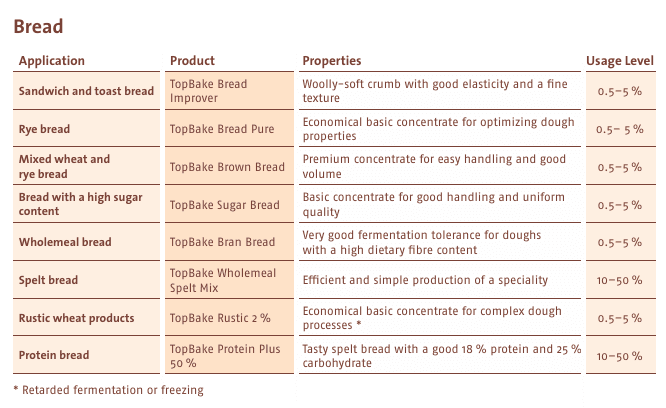
The Technical Mechanism This isn’t just a standard oxidizer. The system functions as a synergistic complex of active substances:
- Composition: It utilizes a specific blend of enzymes, vegetable fibres, hydrocolloids, and ascorbic acid to mimic the functionality of gluten.
- Mode of Action: The compounds interact to boost the effect of the wheat gluten already present in the base flour rather than just adding more protein mass.
- Hydration: The hydrocolloid and fiber components significantly increase water absorption capacity, optimizing dough viscosity and stability during fermentation.
Operational Impact For production managers, this is a direct drop-in solution that requires no changes to mixing times or baking curves.
- Input Reduction: You can effectively replace ten parts of vital wheat gluten with just one part of the enhancer.
- Composite Flour Efficiency: In a recipe using 10% cassava flour, which typically demands 4% added gluten, you can achieve the same stability using only 1% gluten and 0.3% enhancer.
- Quality Control: The system compensates for raw material deficits, ensuring consistent volume and an even crumb structure despite lower protein content.
👉 Thanks for reading!
Sources: