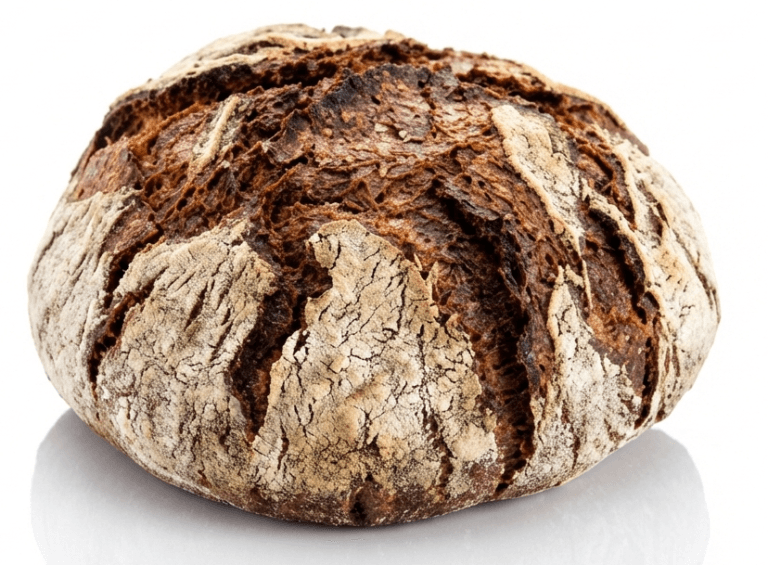
Factors Affecting Water Absorption in Baking
Managing water levels in bakery production is vital for consistent dough quality. Discrepancies between measured and actual water absorption can impact processes, product quality, and waste. Understanding these differences is key to optimization.
Understanding water absorption is critical for consistency, dough handling, and final bread quality. Here is a breakdown of the primary factors and practical solutions for the modern bakery.
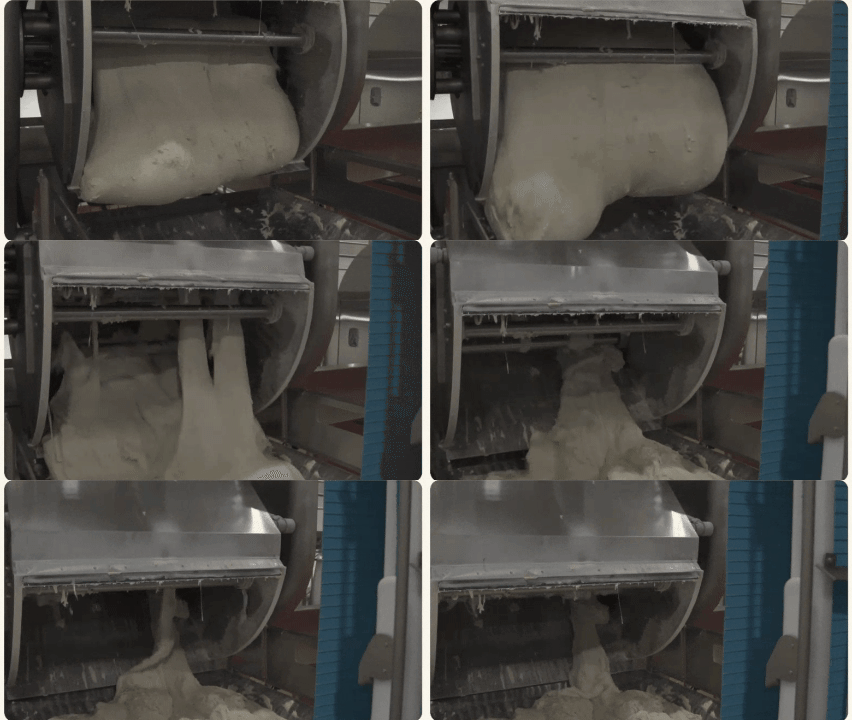
1. Flour Properties
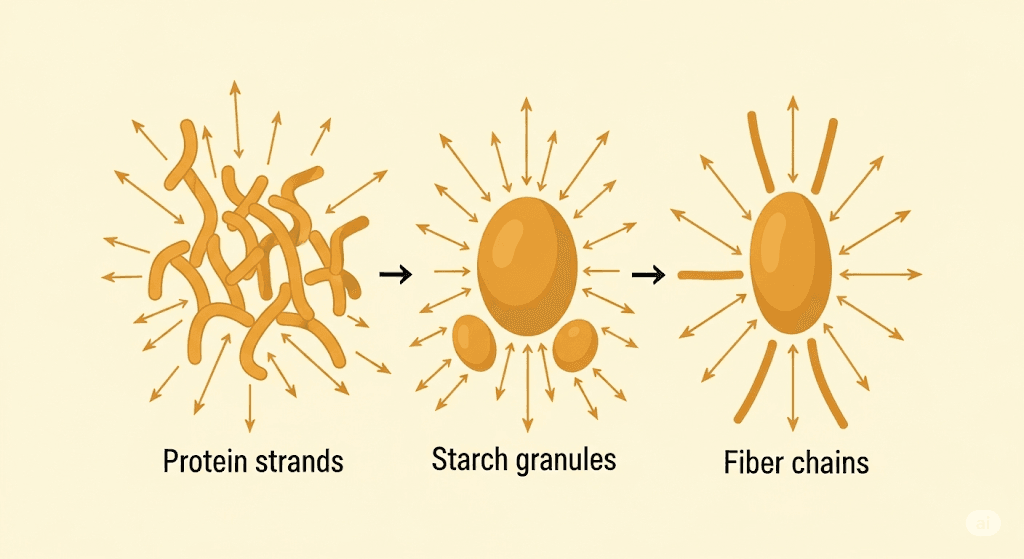
The composition of your flour is the foundation of hydration.
- Moisture Content: Higher initial flour moisture inversely reduces additional water absorption capacity.
- Protein Content: High-protein flours (strong flours) require more water to hydrate the glutenin and gliadin proteins.
- Damaged Starch: While it increases water absorption, excessive damaged starch can lead to sticky doughs later in the process.
- Fiber Content: Wholemeal and enriched flours retain significantly more water than refined white flours due to the pentosans in the bran.
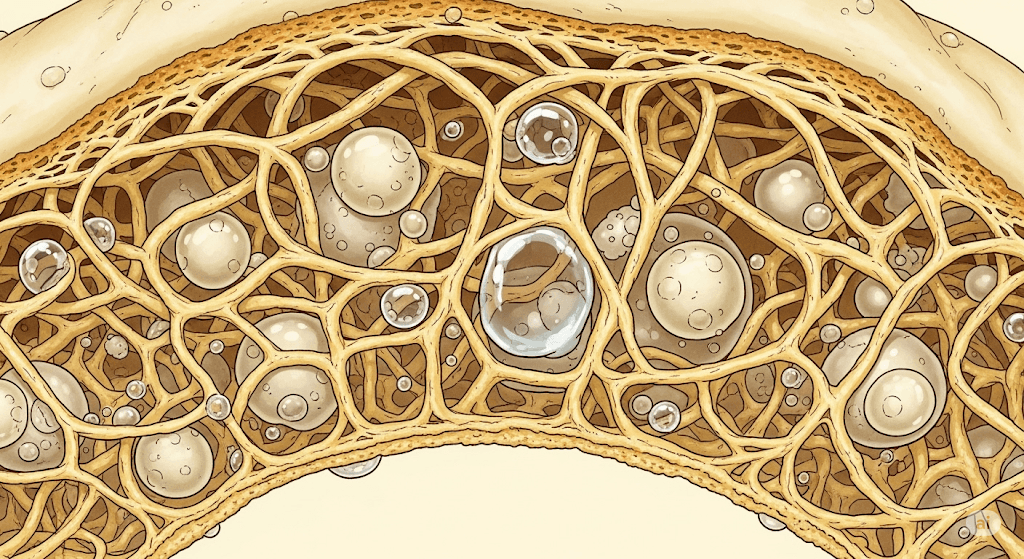
2. Processing & Product Requirements
The “ideal” hydration depends heavily on how the dough is handled and the desired final form.
Processing Methods
| Method | Requirement |
| Hand Processing | Allows for sensitive, manual adjustments to dough consistency during mixing. |
| Mechanical Processing | Requires highly uniform dough to prevent sticking or tearing during high-speed molding. |
3. Product Specifics
- Pan Bread: Requires a softer dough to ensure the dough flows evenly into the corners of the pan.
- Free-Standing Bread: Needs a stiffer dough (lower hydration) to maintain shape and “tension” during proofing.
- Specialty Breads (Baguettes): Higher hydration is essential for an open crumb structure and rapid expansion (oven spring).
4. Common Problems & Solutions
Problem: Standard tests don’t match bakery results.
- Solution: Use lab tests (like the Farinograph) as a baseline, but always adjust based on your specific recipe and equipment variables.
Problem: Excessive Dough Stickiness.
- Solution: Ensure full gluten development during mixing. Well-developed dough can hold more water without becoming unmanageable. Minimize shear forces during molding.
Problem: Inconsistent Quality.
- Solution: Implement a strict Quality Control (QC) protocol. Monitor flour moisture and protein levels for every new batch of flour.
5. Practical Tips for Bakery Optimization
Dynamic Recipe Adaptation: Empower your head bakers to make minor water adjustments based on the “feel” of the first batch of the day.
Targeted Hydration: Don’t use a “one size fits all” approach. Customize water levels specifically for each SKU (e.g., higher for baguettes, lower for sandwich loaves).
Standardize the Environment: Keep flour storage and ambient bakery temperatures consistent, as temperature also affects how flour absorbs water.
Do you face challenges with water absorption in your bakery? 🍞 Share your experience! 📣
Source: https://lnkd.in/dFSFsqsN
https://lnkd.in/d3UrveQR