Maillard Reactions: The Browning Challenge in High-Hydration Doughs.
This non-enzymatic browning process occurs when reducing sugars and amino acids react at high temperatures, forming the golden crust, rich flavors, and aromas of baked goods.
This reaction thrives under conditions of:
– Presence of 𝐫𝐞𝐝𝐮𝐜𝐢𝐧𝐠 𝐬𝐮𝐠𝐚𝐫𝐬 (e.g., glucose) and 𝐚𝐦𝐢𝐧𝐨 𝐚𝐜𝐢𝐝𝐬 from proteins.
– 𝐇𝐢𝐠𝐡 𝐡𝐞𝐚𝐭 to initiate the reaction.
– 𝐋𝐨𝐰 𝐦𝐨𝐢𝐬𝐭𝐮𝐫𝐞, as excess water inhibits browning.
𝐇𝐈𝐆𝐇-𝐇𝐘𝐃𝐑𝐀𝐓𝐈𝐎𝐍 𝐃𝐎𝐔𝐆𝐇𝐒, with 80–100% water relative to flour weight, disrupt the ideal conditions for the Maillard Reactions due to their high moisture content, causing two key issues:
1️⃣ 𝐒𝐮𝐫𝐟𝐚𝐜𝐞 𝐌𝐨𝐢𝐬𝐭𝐮𝐫𝐞 𝐈𝐧𝐡𝐢𝐛𝐢𝐭𝐬 𝐁𝐫𝐨𝐰𝐧𝐢𝐧𝐠 🌫️
– Excess moisture cools the dough, preventing it from reaching the temperatures needed for browning.
– Diluted reactants like sugars and amino acids slow the Maillard Reactions.
2️⃣ 𝐄𝐱𝐭𝐞𝐧𝐝𝐞𝐝 𝐁𝐚𝐤𝐢𝐧𝐠 𝐑𝐢𝐬𝐤𝐬 ⏳
– Longer bake times to evaporate moisture risk over-drying the crumb, compromising texture, flavor, and quality.
🧩 𝐓𝐇𝐄 𝐒𝐎𝐋𝐔𝐓𝐈𝐎𝐍??? 🧩
1️⃣ 𝐓𝐡𝐞𝐫𝐦𝐚𝐥 𝐒𝐭𝐫𝐚𝐭𝐞𝐠𝐢𝐞𝐬 🔥
– PREHEATED SURFACES: Use baking stones, steels, or cast-iron pans to transfer heat quickly and evaporate surface moisture.
– HIGH INITIAL TEMPERATURES: Start at 230–260°C (450–500°F) to dry the surface, then lower the heat to prevent overbaking.
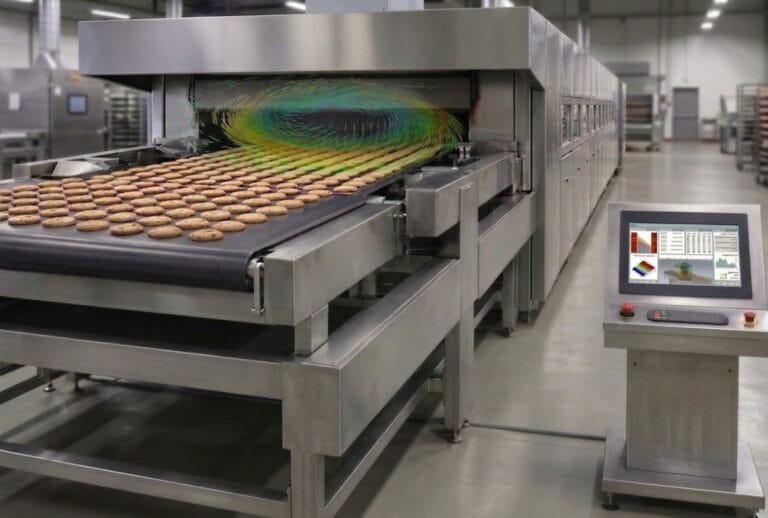
– CONVECTION OVENS: Circulate hot air to accelerate surface drying and promote even browning.
2️⃣ 𝐈𝐧𝐠𝐫𝐞𝐝𝐢𝐞𝐧𝐭 𝐀𝐝𝐣𝐮𝐬𝐭𝐦𝐞𝐧𝐭𝐬 🧈🍯
– INCREASE REDUCING SUGARS: Add malted barley flour, malt syrup, or pre-ferments like poolish to boost sugar levels.
– SURFACE WASHES: Apply milk, sugar-water, or malt-based sprays to enhance reactant concentration and improve browning.
3️⃣ 𝐌𝐨𝐢𝐬𝐭𝐮𝐫𝐞 𝐌𝐚𝐧𝐚𝐠𝐞𝐦𝐞𝐧𝐭💨
– SURFACE DEHYDRATION: Let dough rest uncovered before baking to form a dry skin for better heat penetration.
– STEAM CONTROL: Limit steam during the final baking stages to reduce surface moisture and enhance crust formation.
4️⃣ 𝐈𝐧𝐧𝐨𝐯𝐚𝐭𝐢𝐯𝐞 𝐅𝐢𝐧𝐢𝐬𝐡𝐢𝐧𝐠✨
– INFRARED HEATING: Apply targeted heat to caramelize the surface without affecting the crumb.
– POST-BAKE BROILING: Use broilers to develop a golden crust without overbaking the interior.