The 20g Threshold: When High-Protein Formulations May Break the Crumb
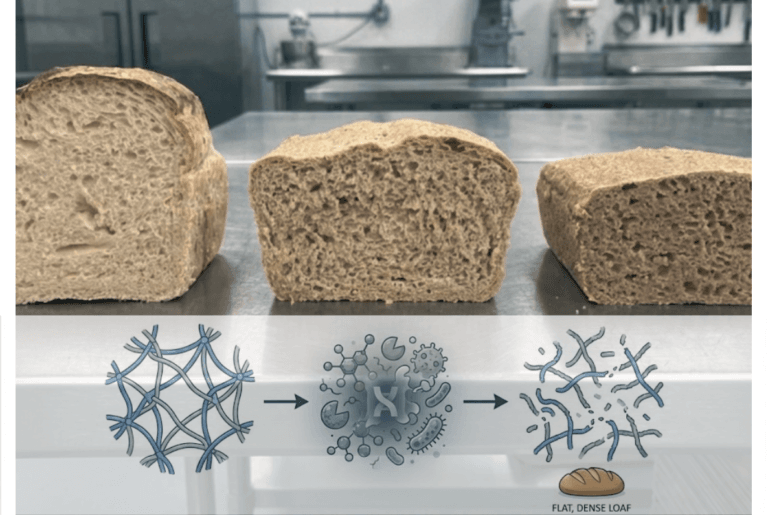
Pushing formulations to 20g of protein per serving might be breaking the rheological limit of standard bagel dough. Recent market feedback suggests that heavy plant-isolate loading could be compromising the gluten network, resulting in significant sensory rejection.
We should look closely at a recent high-profile launch in the North American sector to understand the potential risks of “Functional Indulgence.”
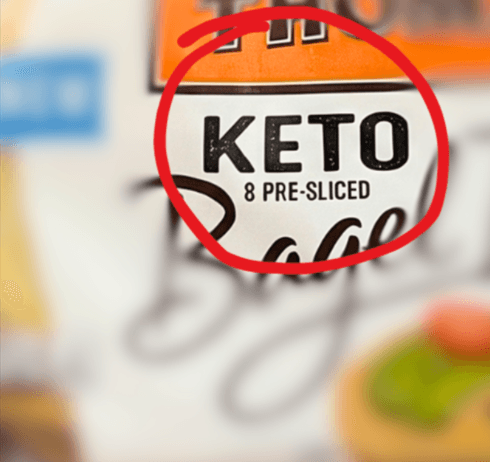
A major manufacturer recently attempted to double standard protein content to 20g per serving using a plant-based blend in a “KETO” version of their traditional bagel.
While the nutritional panel appears robust, early consumer signals suggest the product may be failing the texture test.

Feedback indicates that the crumb structure might be suffering from significant “gumminess” and a lack of traditional chew.
This implies that R&D teams may be prioritizing nutritional density over the fundamental physics of the dough, potentially alienating the very consumer base they aim to capture.
Technical Mechanism:
- Network Disruption:
The formulation relies on globular proteins (soy, pea, fava) which may physically interrupt the gluten matrix. This interference could prevent the formation of the continuous viscoelastic network required for gas retention and structure. - Hydration Dynamics:
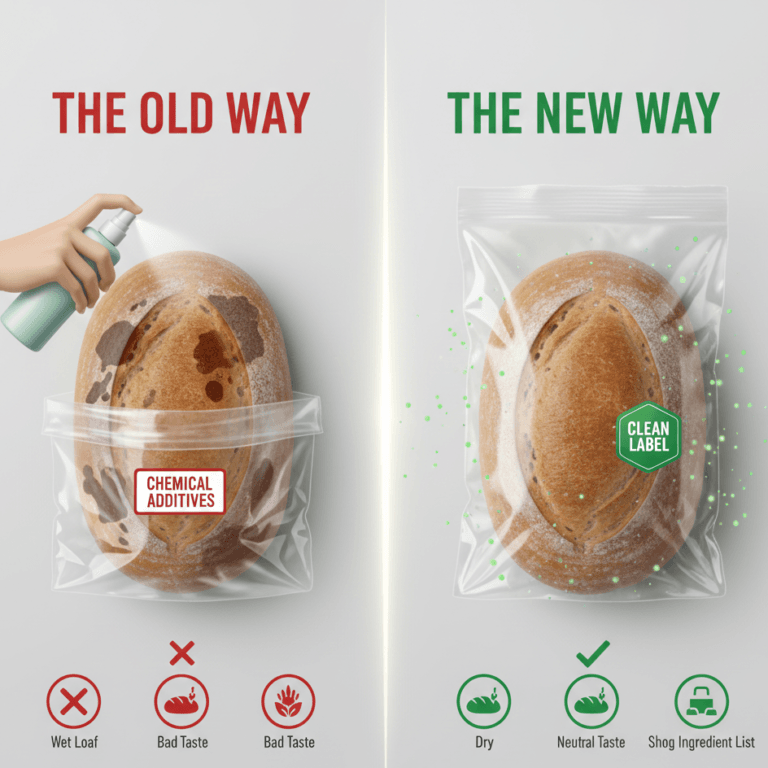
Pulse proteins often possess high water-holding capacities. They might be competing too aggressively with starch for hydration, which could lock moisture into a gel-like structure; this would explain the “wet” or “foam-like” mouthfeel reported in reviews. - Flavor Masking:
Reports of “chemical” aftertastes suggest that standard masking agents might not be sufficient to cover the inherent grassy or bitter notes associated with fava and pea isolates at such high inclusion rates.
Operational Impact:
This case highlights what could be a dangerous efficiency trap.
Manufacturers might be absorbing significantly higher COGS for premium isolates to justify a shelf price premium.
However, if the rheology fails, repeat purchase rates could drop precipitously.

While a high-protein claim may generate the initial sale, texture likely dictates the second.
This suggests that ignoring the sensory limits of gluten-free isolates could lead to high churn and potential SKU rationalization.
👉 Thanks for reading!
Sources: