Upcycled barley isolates eliminate “gritty” textures in high-protein bakery formulations.
Traditional plant proteins often introduce grittiness and vegetal off-notes that ruin crumb structure. Upcycled barley isolates now offer a highly soluble, neutral-tasting alternative that stabilizes dough rheology while securing a low-risk, circular supply chain.
For decades, the “high fiber” claim in industrial baking has been synonymous with operational headaches: disrupted gluten networks, increased crumb firmness, and the necessity of masking agents to hide bitter, cellulosic off-notes.
The solution has typically involved a costly cocktail of Vital Wheat Gluten (VWG), enzymes, and gums to artificially rebuild what the fiber destroyed.
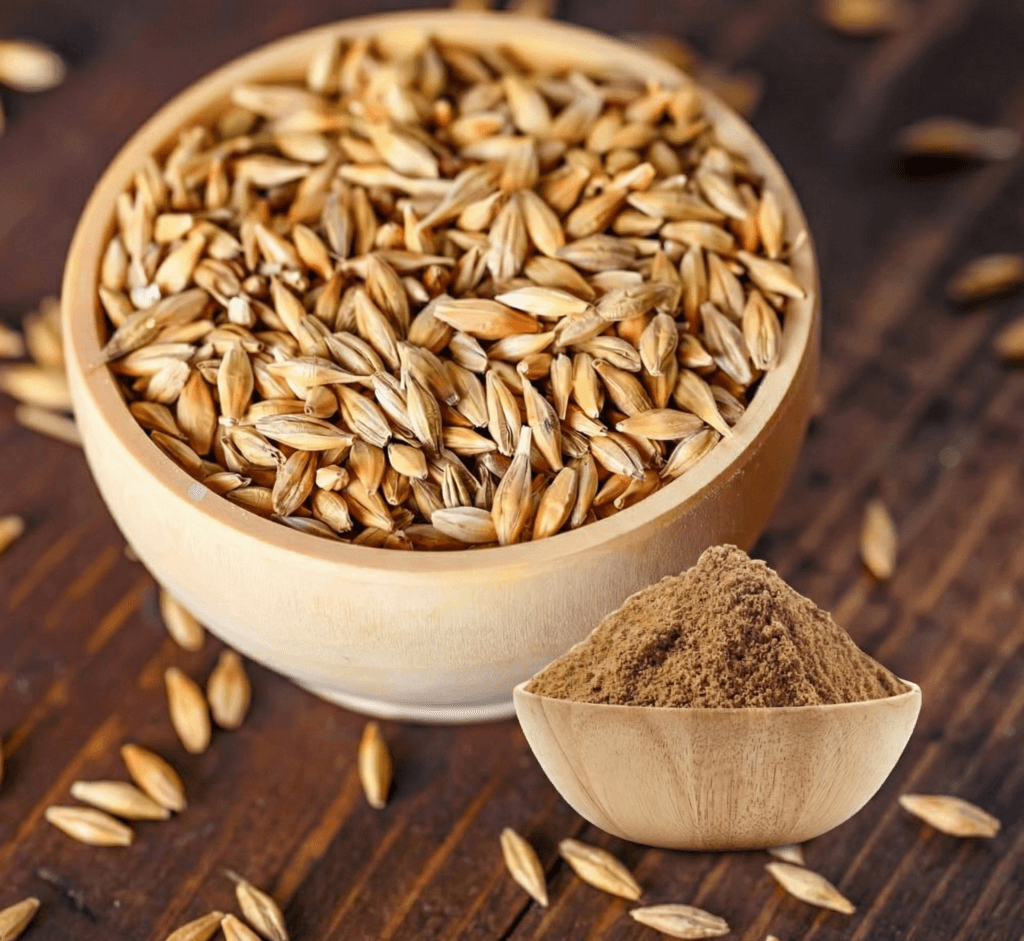
The new generation of upcycled ingredients, led by players like Upcycled Foods Inc. and UpGrain, fundamentally changes this equation.
They are not selling a “filler” ingredient; they are providing a functional matrix that solves the hydration mechanics of fiber-rich doughs.
The Technical Conflict: Insoluble Fiber vs. Gluten Integrity
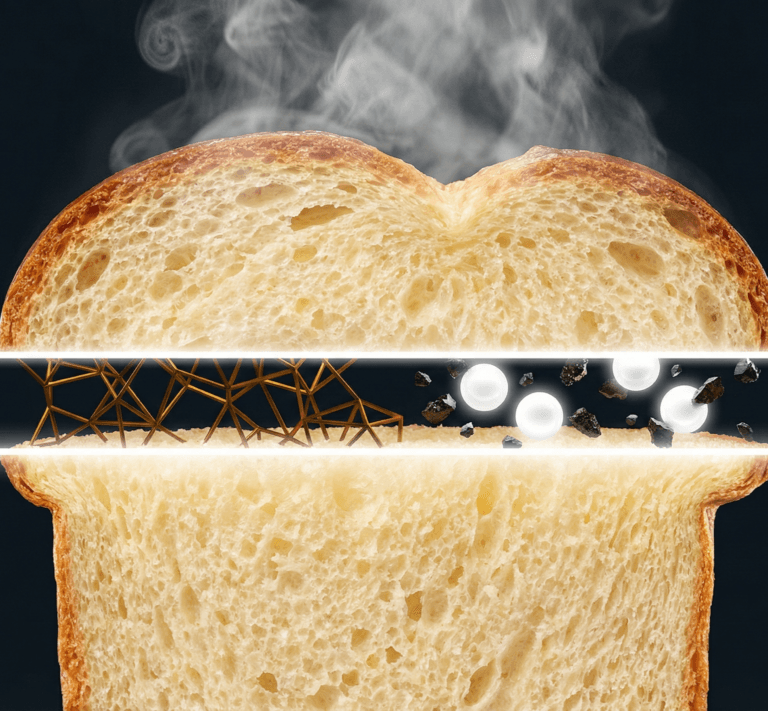
In a standard whole-wheat or fortified formulation, sharp bran particles physically cut gluten strands, leaking gas and reducing loaf volume.
Furthermore, traditional insoluble fibers compete with gluten for water but fail to hold it during the bake, leading to rapid staling (retrogradation).
The Engineering Solution: The Stabilized BSG Matrix
The technology behind ReGrained SuperGrain+® (Upcycled Foods Inc.) and similar competitors focuses on stabilizing the grain after the brewing process (Brewer’s Spent Grain – BSG).
Since the sugars have been enzymatically removed during mashing, what remains is a concentrated matrix of protein (20–45%) and prebiotic fiber (up to 70%).
- Hydrocolloid Mimicry:
Unlike raw bran, processed BSG flour acts as a natural hydrocolloid.
Its fiber structure traps free water physically.
This allows the baker to increase dough hydration significantly without creating a sticky, unmachinable dough. - Yield & Shelf Life:
This bound water remains in the crumb post-bake.
The result is a softer initial texture and a slower rate of staling, effectively extending shelf life without adding chemical softeners or gums. - Flavor Integration:
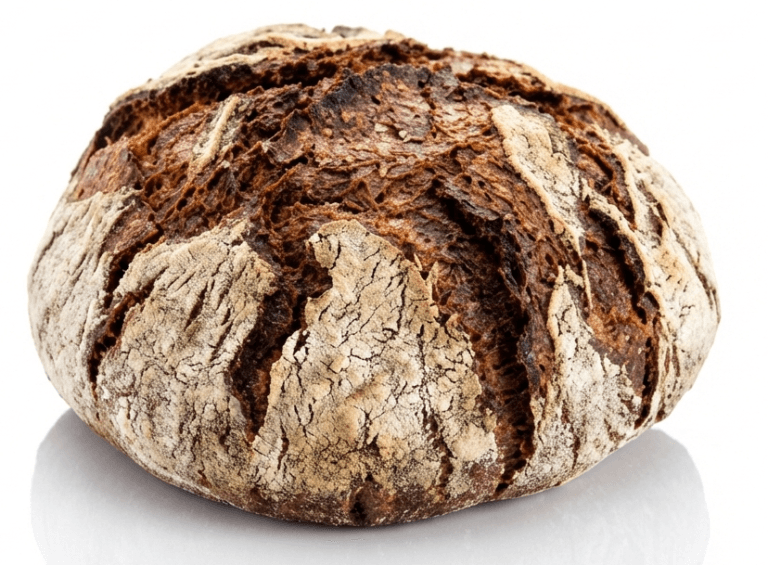
Strategies differ by supplier. UpGrain (Switzerland) uses micro-milling to achieve neutrality in white breads, while Agrain (Denmark) embraces the Maillard reaction products from the kiln, allowing the ingredient to replace malt extracts or cocoa powder for color and flavor in dark breads.
Operational Strategy: From “Waste” to “Function”
Implementing these ingredients requires a shift in formulation logic.
You are not just adding fiber; you are altering the rheology.
- Hydration Adjustment: Because SuperGrain+® has a high water holding capacity (WHC), formulations often require a 5–10% increase in water absorption. This improves the final product yield; you are effectively selling more water in a stable structure.
- Gluten Reduction: In high-protein variants (like SuperGrain+® Protein), the isolate contributes to the structural network. This can allow for a partial reduction in added VWG, mitigating the “buckiness” (excessive elasticity) that often plagues high-protein breads.
- Label Clean-Up: By using ReGrained’s Baker’s Blend (developed with Puratos), you leverage a pre-fermented substrate. This delivers sourdough functionality and acidity regulation, potentially removing preservatives like calcium propionate in shorter shelf-life applications.
The “upcycled” narrative is the marketing hook for the consumer, but for the technical analyst, the value is functional efficiency.
These ingredients allow for the removal of supply-chain volatile ingredients (gums, high doses of VWG) while delivering a nutritional profile (prebiotic, high protein) that commands a premium price point.
👉 Thanks for reading!
Sources:
- https://www.prnewswire.com/news-releases/rebbl-launches-innovative-26g-protein-shakes-with-upcycled-barley-protein-leading-the-charge-in-sustainable-rtd-beverages-302275649.html
- https://xtalks.com/evergrains-line-of-barley-based-products-scores-upcycled-certification-3004/
- https://upcycledfoods.com/upcycled-foods-inc-and-atorias-family-bakery-launch-brands-first-upcycled-breads-for-grocery-and-foodservice/
- https://upcycledfoods.com/category/press-releases/
- https://www.ardentmills.com/news/ardent-mills-fy24-esg-report/
- https://contentlibrary.ardentmills.com/m/1f9ee02383585608/original/ardent-mills-fy24-esg-report.pdf
- https://upcycledfoods.com/ingredients/
https://sustainable-ingredients.com/en/
https://agrainproducts.com/pages/spent-grain-ingredients
https://susgrainable.com/ - Sourdough bread with upcycled barley. Recipe is in description #artisanbread #breadrecipe #explore – YouTube