How Modular Forming Platforms Reduce Changeover Time in Multi-Product Bakeries
The frequent change of products often creates bottlenecks and reduces profitability. Modular production lines eliminate this problem by integrating a central belt with interchangeable accessories. This architecture reduces downtime, maximizes return on investment, and maintains consistency at scale.
The Bottleneck in Dedicated Lines
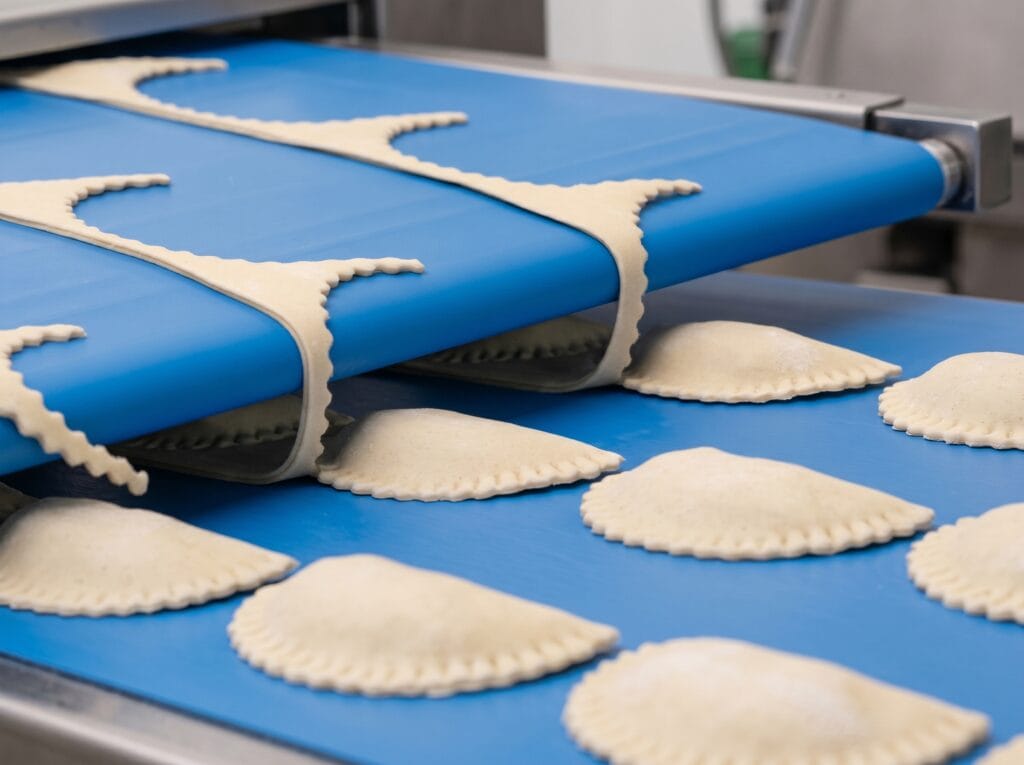
Plants producing multiple product families face prolonged periods of operational downtime. Modifying traditional machinery to transition from plain breads to filled pastries consumes hours of manual labor.
During these pauses, the static dough waiting in the hoppers may overferment. Excessive fermentation weakens the gluten network, meaning the crumb structure could collapse inside the industrial oven.
Architecture of Forming Platforms
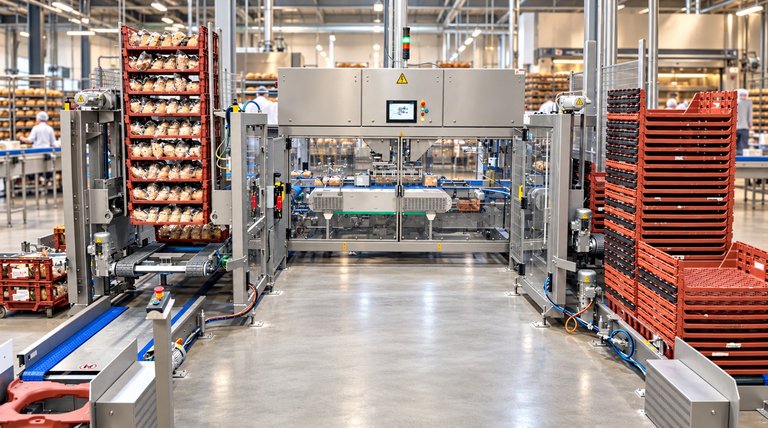
Modular processing lines mitigate downtime by utilizing a shared mechanical platform. Manufacturers such as Rondo, WP Kemper, and König utilize this design, which concentrates traction and control in a single base chassis upon which multiple workstations are mounted and dismounted.
Real-Time Accessory Adaptability
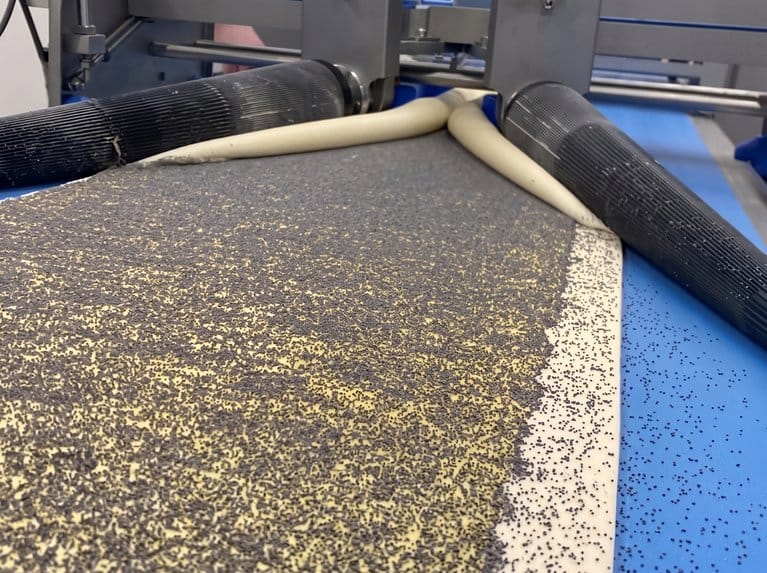
The versatility of the line lies in the variety of mechanical tools that operators can swap over the same drive belt to sequentially process different recipes. Systems like the König Artisan SFC rely precisely on these interchangeable modules.
By consolidating laminating, dosing, and cutting operations onto a single base belt, bakery plants can reduce initial equipment costs and optimize available physical space. This capability to execute rapid format changes helps maintain high throughput rates, decreasing dough waste and protecting the return on investment in large-scale operations.
😊 Thanks for reading!
Sources:
- https://www.rondo-online.com/latam/en/machines-and-solutions/aufarbeitungslinien-und-kombinierte-linien/starline-5
- https://www.bwflexiblesystems.com/our-company/blog/post/2025/03/19/quick-changeover-techniques-for-multi-product-bakery-operations
- https://www.lcautomation.com/wb_documents/mitsubishi/high%20performance%20solutions%20for%20bakery%20production.pdf
- https://prismhq.com/reduce-changeover-time-on-your-production-floor/
- https://www.iba-tradefair.com/en/c/wp-kemper-artisan-pane-line-artisanal-rolls-from-soft-dough.68577
- https://www.koenig-rex.com/wp-content/uploads/2024/10/Product-Program_EN_web.pdf
- https://www.youtube.com/watch?v=CDQZbJaV2E4
To deepen your understanding of these market trends, you may also find our articles on Bread Scoring Systems: Technologies, Precision, and Industrial Applications, Dough Rounders: Matching the Machine to Your Production Needs, and How to Prevent Fat Bloom in Chocolate-Coated Bakery Products: Radiant vs. Convective Cooling highly valuable.