Ultrasonic, Water Jet, or Blade? Choosing the Right Bread Scoring System
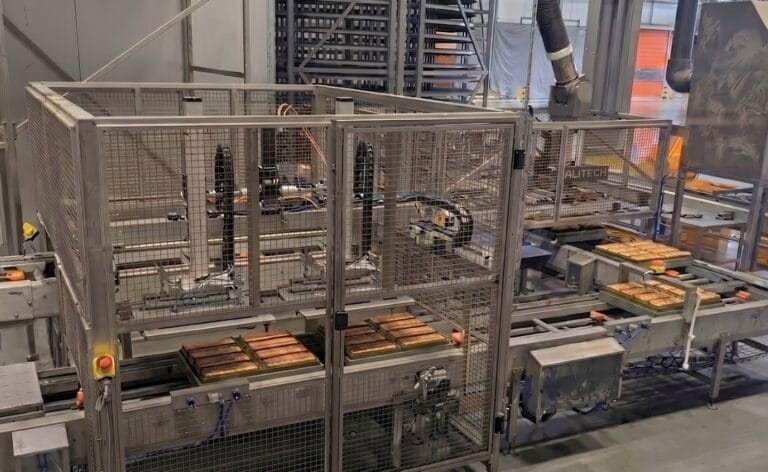
Industrial scoring utilizes various technologies: ultrasonic, water jet, mechanical, or emerging laser to control expansion. Regardless of the end-effector, the biological variability of the dough requires 3D vision guidance to adjust each incision with millimeter precision, guaranteeing structural uniformity in high-speed lines and preventing collapses.
3D Vision: The brain of the system
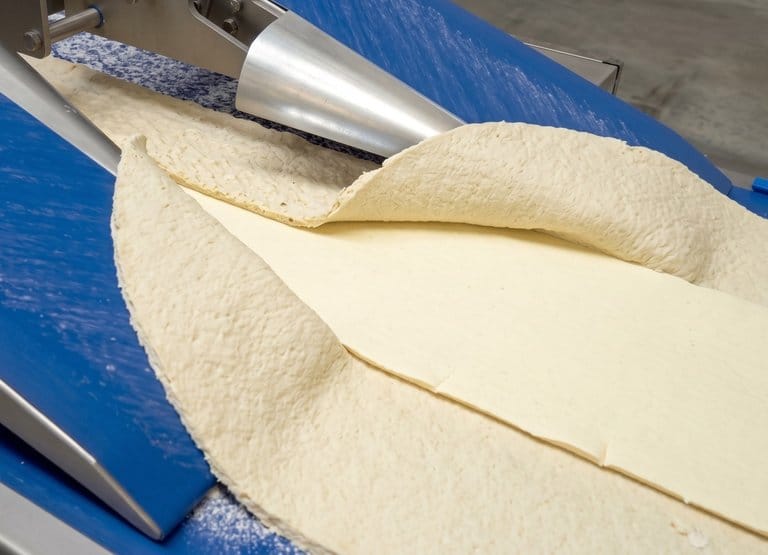
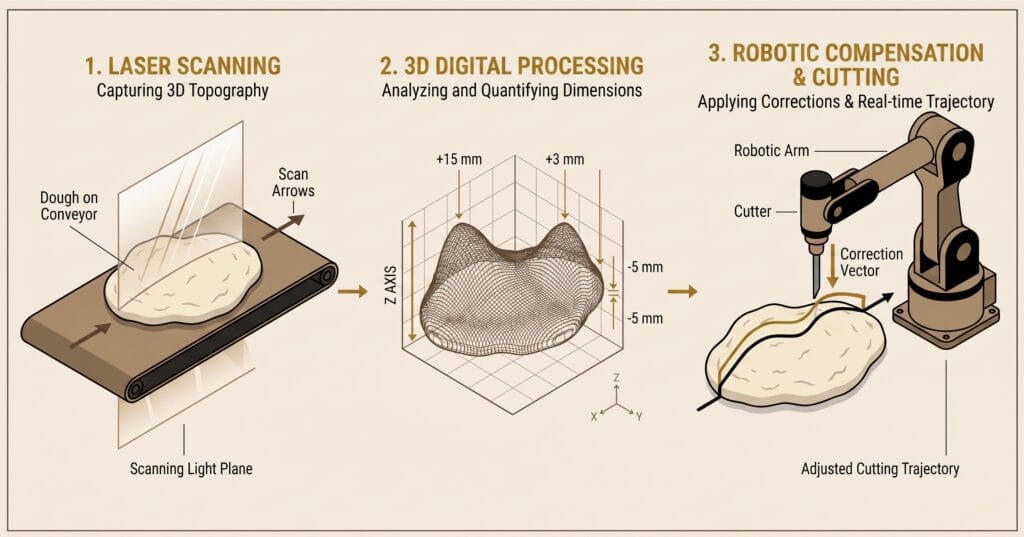
Raw dough is a living biological entity that ferments irregularly. On a continuous conveyor belt, each dough piece presents millimeter differences in height, width, and curvature. A robot executing static coordinates would cut an over-proofed dough piece too deeply, tearing the cellular structure and causing immediate degassing.
Regardless of the cutting method used, true innovation lies in the laser scanners and 3D vision cameras integrated into the robotic ecosystem.
Ultrasonic Scoring: Zero Friction for Complex Doughs
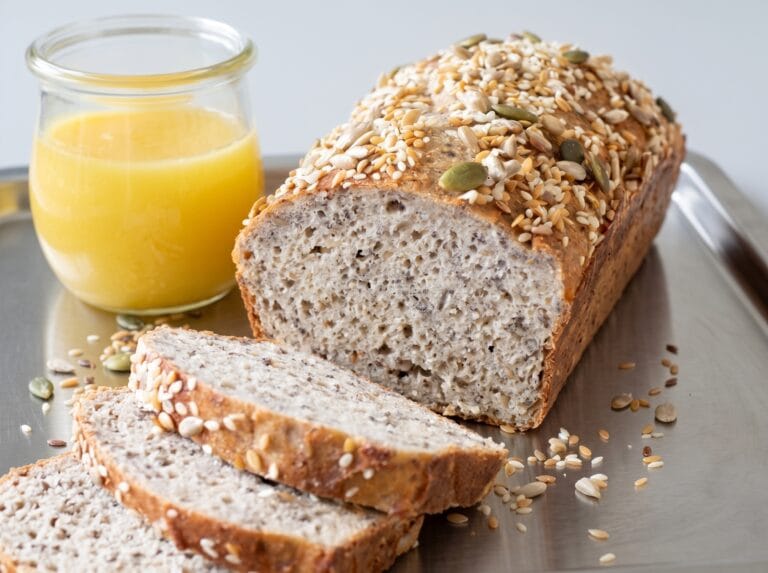
This technology uses a titanium blade that vibrates at high frequencies, typically operating between 20 kHz and 40 kHz. The microscopic acoustic movement drastically reduces friction between the metal and the food. It is the ideal application for highly hydrated doughs (ciabattas or rustic breads), sourdough formulations, and highly sticky doughs or those with inclusions like seeds and raisins.
Water Jet Scoring: Contactless Cutting for Fragile Doughs
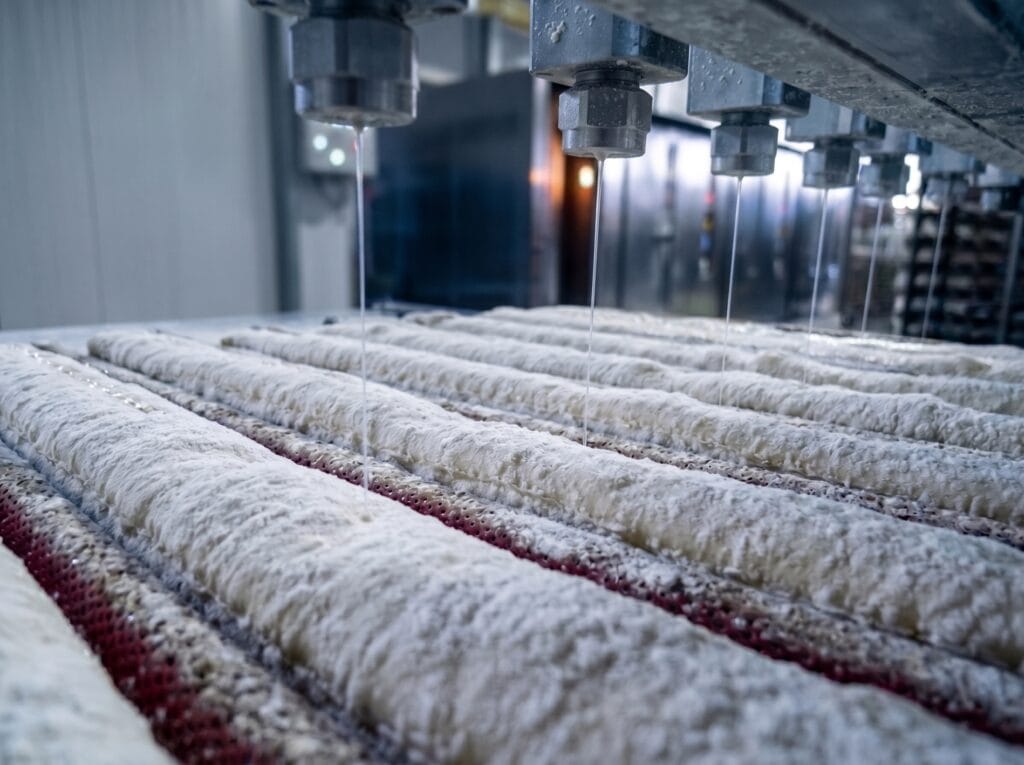
The water jet system uses extremely fine nozzles that shoot a stream of purified water at high pressure to penetrate the dough surface. It is an ideal solution for baguettes, tin breads, loaves, and thin-crust doughs, being especially useful for structurally fragile or over-proofed dough pieces entering the baking chamber.
Mechanical Blade Scoring: Cost-Effective Solution for Standard Formats
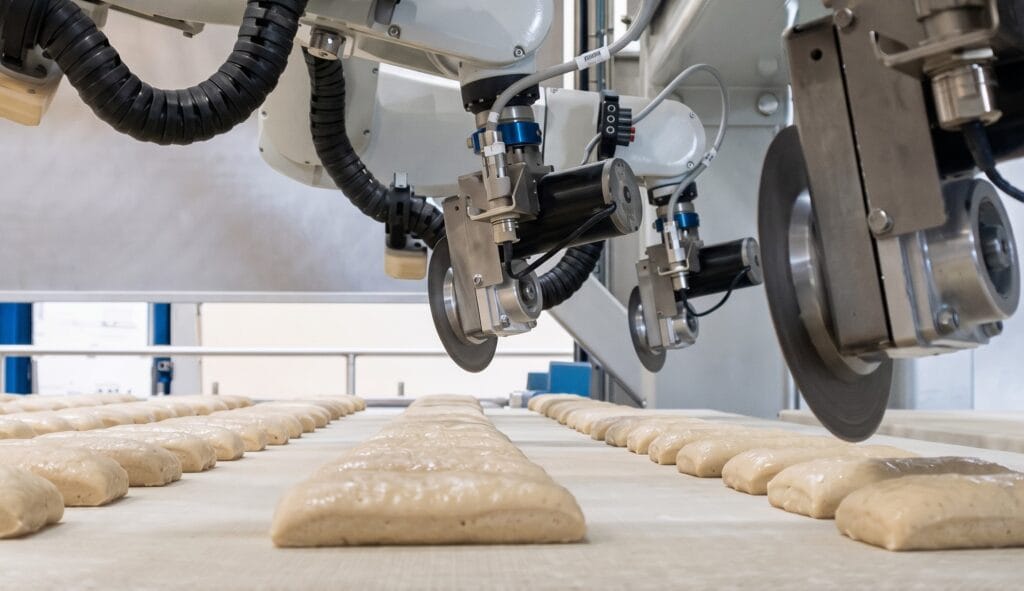
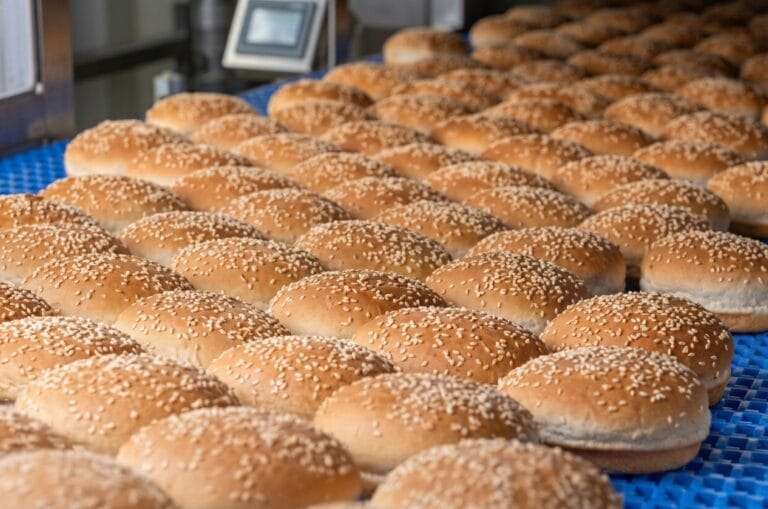
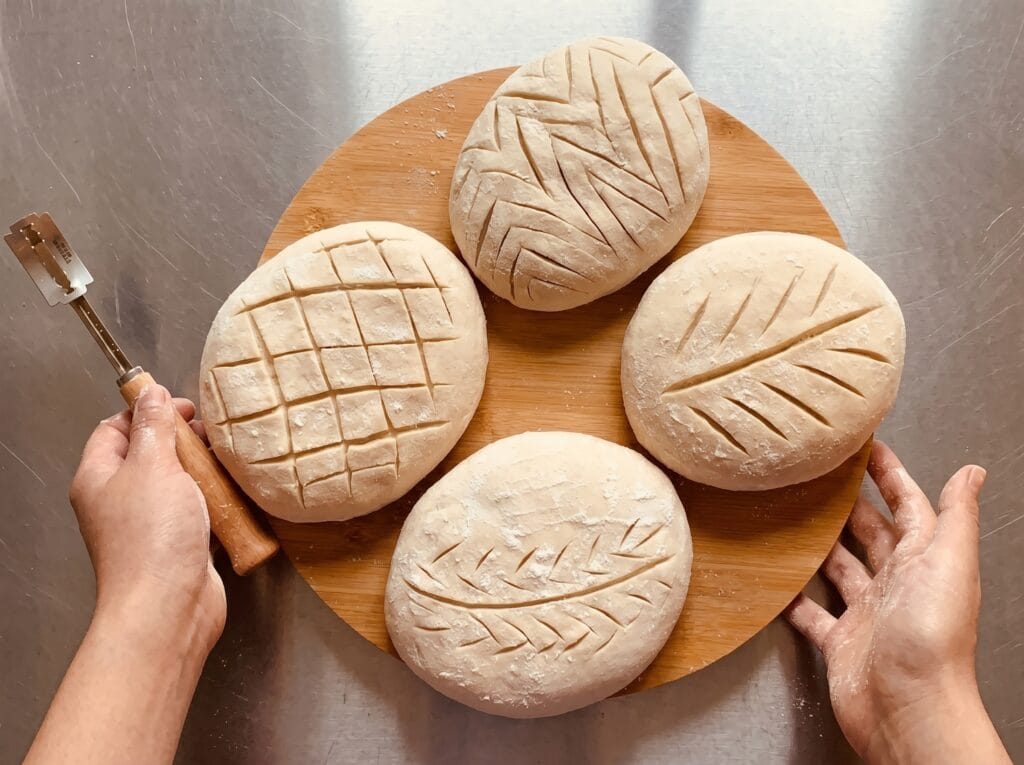
Traditional mechanical scoring uses fine circular or straight blades mounted on robotic end-effectors that replicate the baker’s dragging angle. It represents the dominant methodology for standard format breads, such as mass-produced white breads, firm pastries, and hamburger buns requiring simple incisions.
Laser Scoring: Emerging Technology and Pending Industrial Challenges
Laser scoring is positioned as an emerging technology in the baking industry, where a high-power beam would burn or cut the upper surface of the dough at optical speeds. In current industrial practice, there are formidable pending challenges to resolve. Its ideal theoretical application would cover functional breads, industrial cookies, and products requiring the engraving of logos or aesthetic patterns with micron precision before baking.
Synchronizing these tools with topographic sensors eliminates losses from collapses, ensures the final symmetry of the baked product, and consolidates a highly efficient manufacturing process.
😊 Thanks for reading!
Sources:
- Technical Manuals for Modular Scoring Systems: https://www.koenig-rex.com/wp-content/uploads/2023/10/Scoring_EN-web.pdf
- Robotic Laser Scanning Systems for Bakery: https://www.abiltd.com/news/2024/1/15/solve-bread-scoring-challenges-with-katana-robotic-scoring-system
- Integration of Ultrasonic Scoring Heads in Lines: https://abendschoen-maschinenbau.de/en/products/scoring-systems/
- Hydrodynamic Water Jet Systems: http://www.auxpama.net
- Robotic Environments for Food Manufacturing: https://www.staubli.com/global/en/robotics/industries/food/bread-and-baked-goods.html
- Height Detection Sensors for Doughs: https://www.wenglor.com/en/Position-and-Height-Detection-of-Bread-Doughs/a/299
- Ultrasonic Equipment and Operating Frequencies: https://www.altrasonic.com/ultrasonic-food-cutting-equipment-with-305mm-blade-for-cleanly-surface-slits-products_p306.html
- Mechanical Solutions for High Production Lines: https://elecproy.com/en/soluciones/scarification-of-high-production-lines/
If you found this article helpful, explore our related coverage on Stability in Bun Production Systems, Moisture Migration in Industrial Pies, and Improving Cellular Architecture: Why Your Dough Rolling Process Defines the Final Crumb.