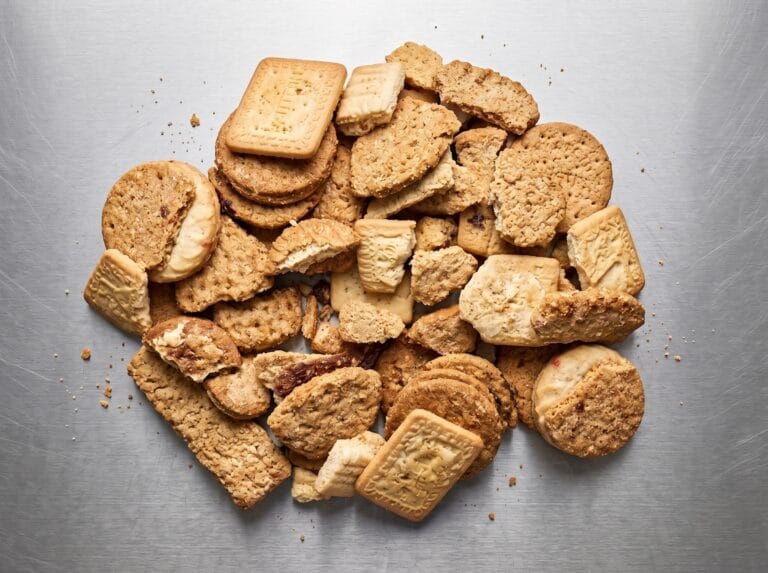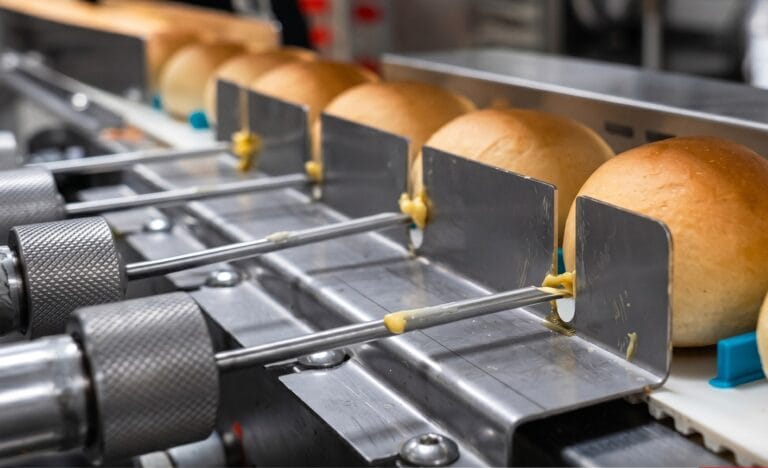
Biscuit Packaging Automation: Less Breakage and Higher Hygiene with Robotics
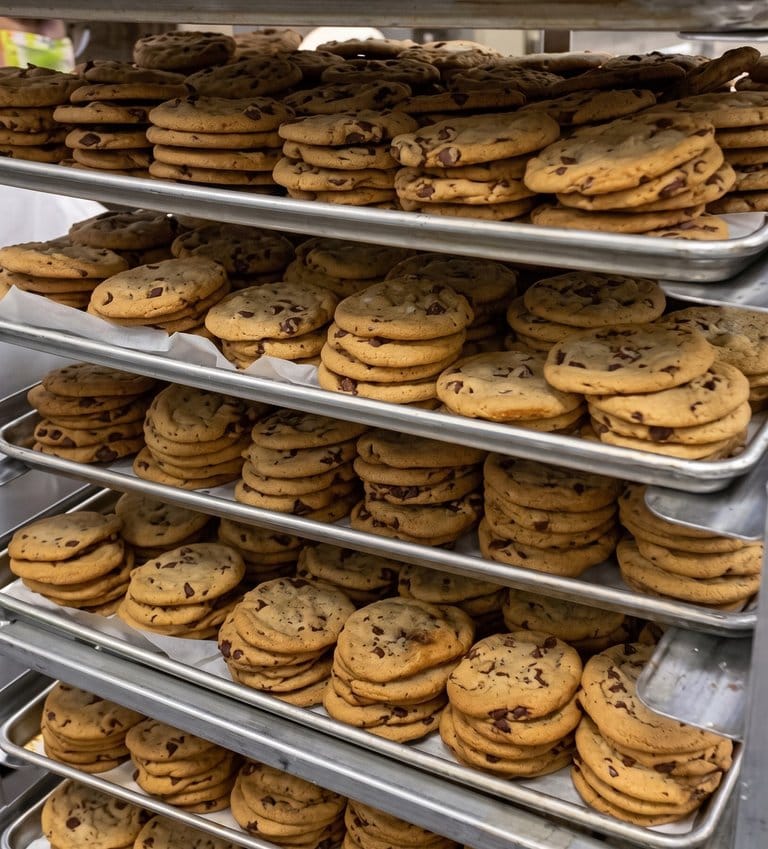
Manual biscuit handling could introduce critical contamination points and structural breakage during packaging transfers. Integrating vision guided robotics replaces tactile interventions with precise kinematics. This transition secures product integrity, eliminates unnecessary discard, and isolates the food zone to comply with rigorous sanitation standards.
The Mechanics of Vision Guided Defect Isolation
Vision guided robotics rely on 3D visual data to map the physical state of every product on the conveyor. The system continuously evaluates each unit for geometry, dimensional height, surface defects, and color anomalies. Products falling outside the programmed specification parameters are automatically bypassed by the robotic arms.
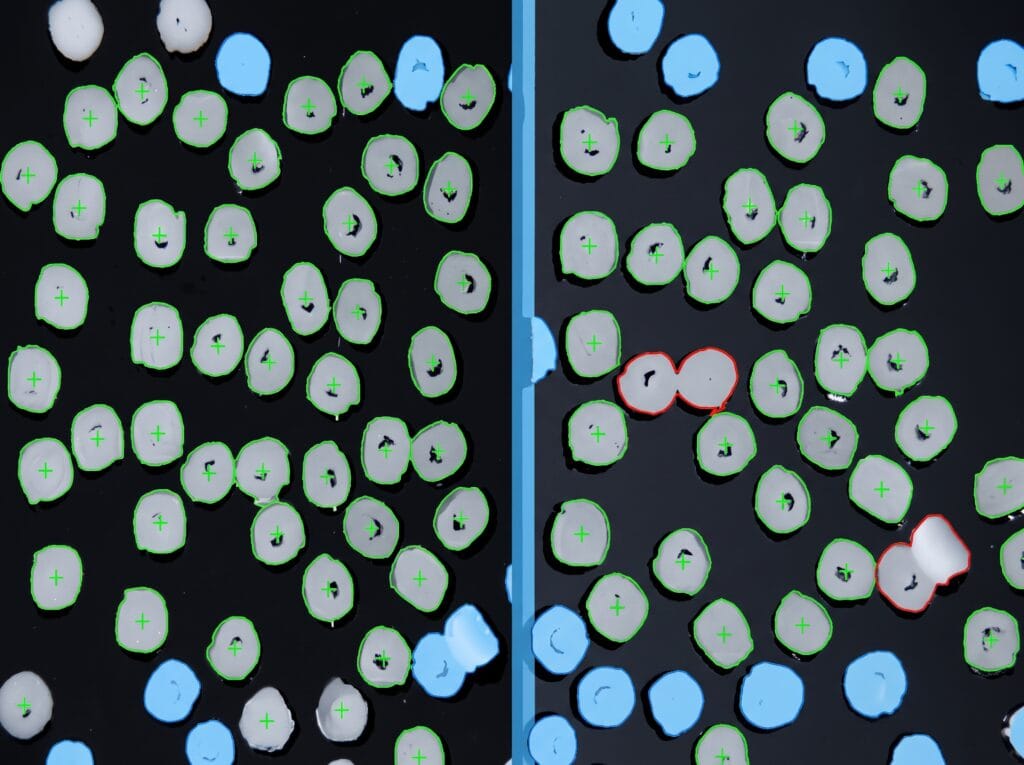
This real time sorting intercepts flawed units before they reach the primary packaging stage. Packaging defective biscuits could trigger jams in the flow wrapping units or cause unnecessary waste of packaging materials. The cameras calculate the exact spatial coordinates of acceptable products, feeding this data to the robotic axes to ensure precise pickup.
Minimizing Structural Damage with Kinematic Handling
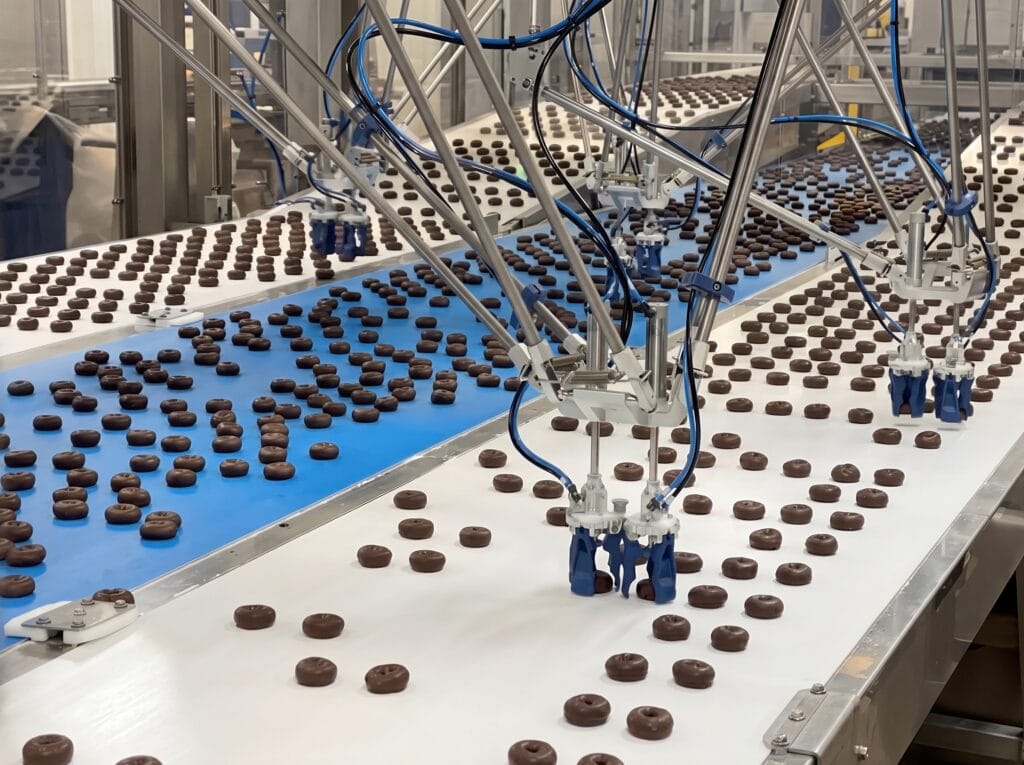
The robotic arms utilize tailored end effectors to manipulate delicate baked goods. Depending on the product format, these systems use specific vacuum grippers or mechanical tools that apply controlled pressure.
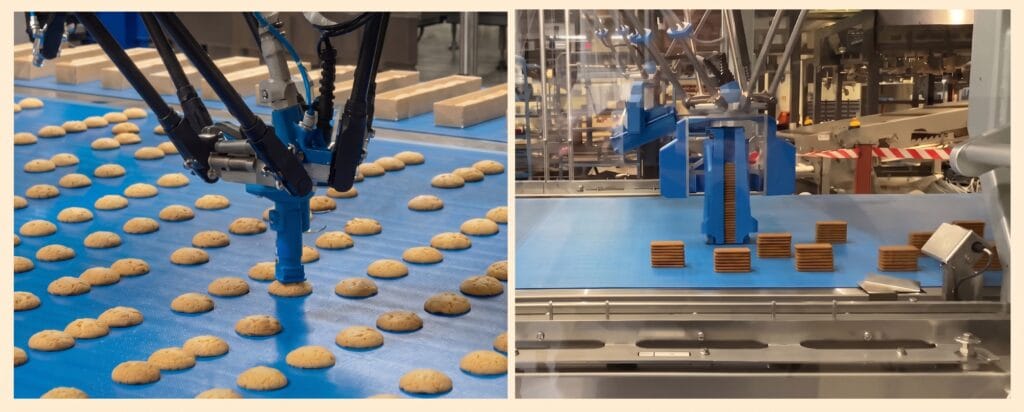
Manual handling inevitably involves variable pressure and uncontrolled transfer speeds. This inconsistent physical contact may crack delicate layers or crush the baked matrix. By standardizing the physical transfer, pick and place robots drastically reduce the volume of broken products rejected as waste at the end of the line.
The integration of these automated kinematics represents a standardized approach across the global baking industry. Leading original equipment manufacturers such as Houdijk, Gerhard Schubert, Syntegon, and Cama Group engineer specialized robotic cells that execute these precise transfer operations. This allows industrial bakeries to scale production volumes without amplifying product damage.
Recommended Reading:
Isolating the Food Zone for Maximum Hygiene
Human operators inherently act as vectors for cross contamination in the critical zone between the oven and the primary wrapper. Replacing manual loaders with robotic arms completely removes physical human contact from the product flow. These automated systems are engineered to operate in strict sanitary environments.
By combining optical sorting with non-contact handling, bakeries maintain tighter control over defect rates, significantly reducing the financial loss associated with product discard and line stoppages.
😊 Thanks for reading!
Sources:
- Royal Houdijk Cookiebot System Specifications (https://houdijk.com/systems/cookiebot/)
- Gerhard Schubert GmbH TLM Bakery Packaging Technology (https://www.schubert.group/en/bakery-products.html)
- Syntegon Robotic Pick and Place Solutions (https://www.syntegon.com/technologies/robotic-pick-and-place)
- Cama Group Bakery Packaging Machinery (https://www.camagroup.com/industry/bakery/)
- KPM Analytics Vision Inspection System for Bakery Production (https://www.kpmanalytics.com/products/vision/q-bake-vision-inspection-system)