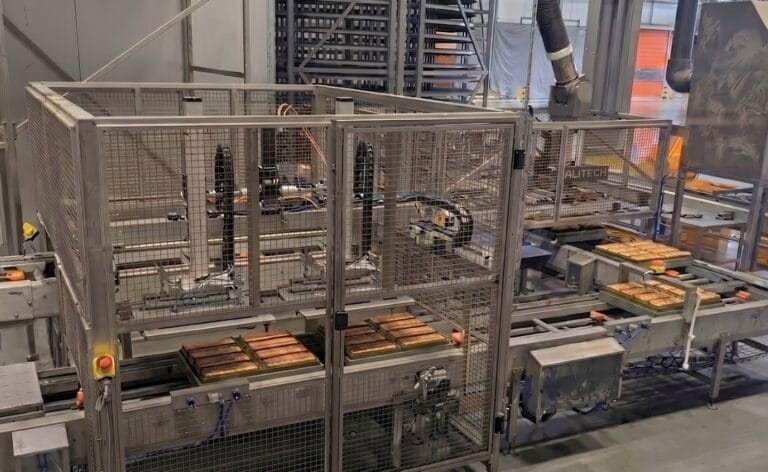
Bakery Climatization: Why Industrial Fans Could Ruin Doughs
Unclimatized baking plants relying solely on industrial fans face severe process drift, particularly in high-hydration and laminated lines. Thermal fluctuations and surface dehydration compromise dough structure. Implementing zoned pressure thermodynamic controls restores rheological stability, protecting gluten integrity and ensuring consistent oven-spring across all shifts.
Operational Reality and Process Standardization
Industrial-scale bakeries operate under rigorous production schedules where consistency remains the primary key performance indicator. However, many facilities continue to treat ambient plant temperature as a secondary variable, relying on simple ventilation rather than precise environmental control. This gap may expose sensitive dough formulations to uncontrollable seasonal and diurnal shifts; consequently, this variance degrades the mechanical repeatability of high-capacity lines.
Rheological and Fermentative Alteration
Thermal instability could directly alter enzymatic kinetics and yeast metabolism within the dough matrix. When ambient temperatures rise, yeast activity accelerates prematurely, generating excessive organic acids that lower the dough pH too rapidly.
This drop in pH might trigger several critical structural issues:
Recommended Reading:

Ambient temperature fluctuations do not merely shift fermentation schedules; they fundamentally alter the viscoelastic properties of the gluten-starch matrix, making automated dividing and shaping highly volatile.
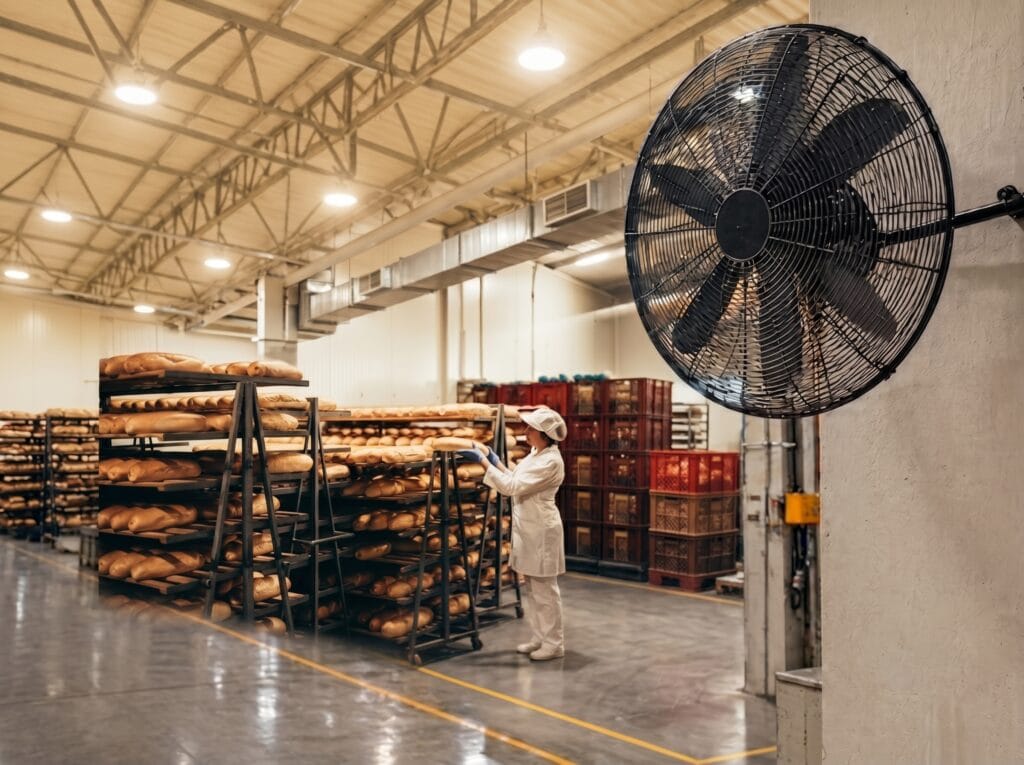
The Wind Tunnel Effect on Raw Dough
Deploying high-velocity industrial fans to cool personnel or moving production lines introduces a severe thermodynamic artifact known as the wind tunnel effect. This continuous air movement accelerates moisture evaporation from the exposed dough surface; as a result, a localized humidity deficit forms.
This forced convective drying may yield several processing defects:
Thermodynamic Process Integration and Pressure Zoning
An engineering misconception involves equating human comfort HVAC systems with industrial process air conditioning. Standard comfort cooling lacks the sensible and latent heat capacity to manage the massive thermal loads generated by industrial ovens and proofers.
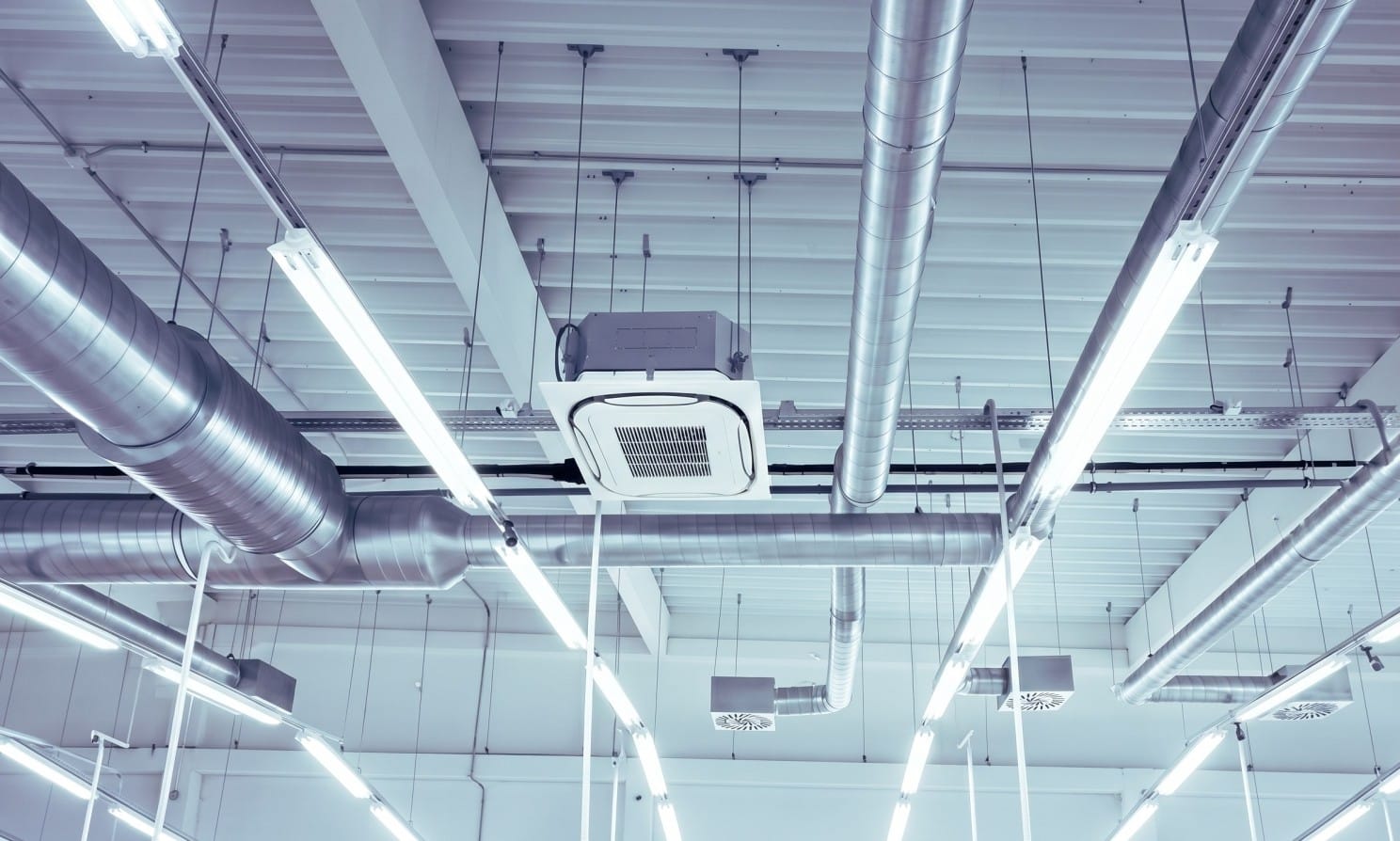
An effective thermodynamic solution should implement a zoned pressure strategy designed for specific manufacturing phases:
Recommended Reading:

True process standardization requires separating the bakery floor into distinct thermal micro-environments; this ensures that heat-generating machinery does not dictate the physical behavior of sensitive biological materials upstream.
😊 Thanks for reading!
Sources:
- American Society of Baking / Technical Proceedings on Bakery Engineering.https://asbe.org
- Campden BRI / Process Control in Industrial Bread Manufacture. https://www.campdenbri.co.uk
- AIB International / Technical Bulletins on Dough Temperature Control. https://www.aibinternational.com
- Baking processes, rheological properties of dough and ingredients., https://oer.mtu.edu.ng/resource/post/fst-309-baking-process/download
- Hygienic Air Handling Units (AHUs) For Food And Pharma Applications – Standard Tech, https://standard-tech.it/en/hygienic-air-handling-units-food-pharma/
- Heating, Ventilating, and Air-Conditioning APPLICATIONS, https://edufire.ir/storage/Library/exhaust/book/2019_ASHRAE_Handbook_HVAC_Applications_SI.pdf