How to Ensure Stability in Bun Production Systems
Inconsistent bun quality can ruin a production schedule. Fluctuating temperatures during the dough lifecycle might lead to collapsed structures or uneven crumb, which could cause significant financial loss. Implementing automated climate regulation offers a simple, technical fix to ensure every batch achieves its intended volume and texture.
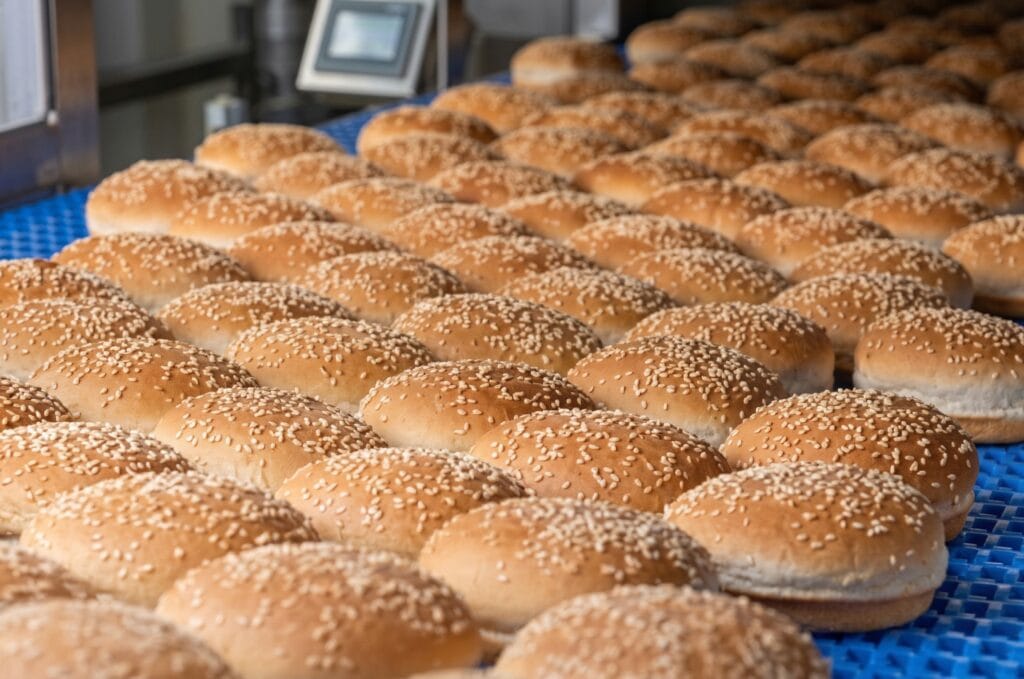
In the manufacturing of buns or hot dog rolls, the environment acts as a silent ingredient that could either stabilize or sabotage the entire operation. Mastering the automated dough lifecycle requires a deep understanding of how thermal and humidity variables might influence the final product.
The Mixing Phase
The foundation of a consistent bun begins in the mixer. During the standard 12-minute mixing cycle, the mechanical energy required to develop the gluten network generates significant friction heat. If the dough temperature rises beyond a specific threshold, the yeast may begin to ferment prematurely, which could lead to a “gassy” dough that is difficult to divide.
Automated systems should monitor these temperatures in real-time, often utilizing chilled water or cooling jackets to keep the dough within a narrow range. This level of control might prevent dough degradation and ensure the elasticity remains optimal for the subsequent shaping stages.
The Proofing Chambers
Once divided and shaped, the dough enters what could be the most climate sensitive stage of its lifecycle. Automated, climate controlled proofing chambers can act as the heart of environmental regulation. Inside these chambers, parameters should be strictly maintained.
Humidity Management
Relative humidity levels should generally be maintained between 80% and 85%. This moisture prevents the surface of the dough from “skinning,” which might otherwise restrict the dough’s expansion and lead to unsightly surface cracks.
Thermal Regulation
The temperature inside the proofer might be held between 38°C and 43°C. This warmth encourages steady yeast respiration. If the temperature fluctuates even by a few degrees, the yeast activity could become erratic, potentially resulting in uneven crumb structures or inconsistent loaf height across different trays.
Crumb Structure and Final Volume
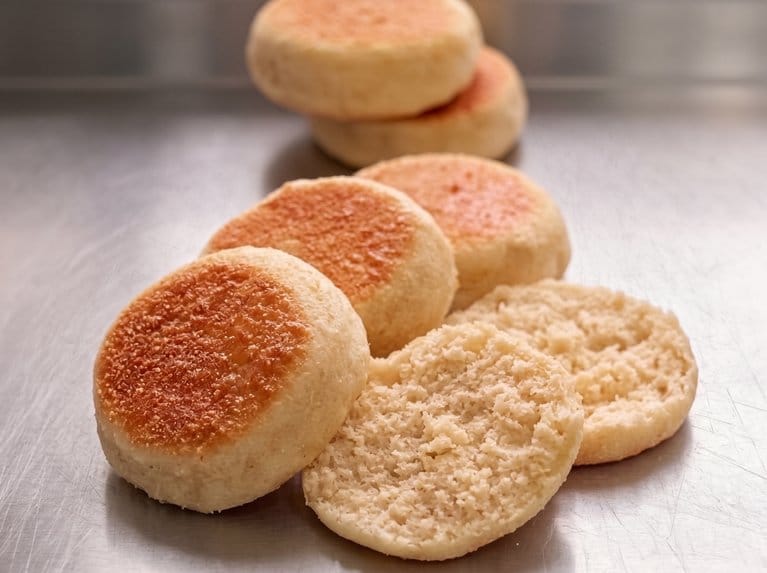
The ultimate indicator of successful environmental control is the internal architecture of the baked bun. A well-regulated lifecycle should result in a fine, uniform cell structure. This “crumb” provides the strength needed for the bun to hold condiments without tearing.
Furthermore, precise monitoring might dictate the final volume of the product. When the proofing environment is stabilized, the “oven spring” becomes predictable, helping to ensure that every hot dog bun fits perfectly into its secondary packaging without being crushed or appearing undersized.
😊 Thanks for reading!
Sources: https://www.aocnobake.com/ https://www.google.com/search?q=https://bakerpedia.com/processes/proofing/ https://www.google.com/search?q=https://www.bakingbusiness.com/articles/48455-controlling-the-atmosphere-in-proofing-and-baking
If you found this article helpful, explore our related coverage on Sugar, yeast, and laminated pastries: mastering the art of perfect balance., Why Wholemeal Flour Has Higher Protein But Produces Smaller Bread Volume., and Smarter Yeast for Better Results.