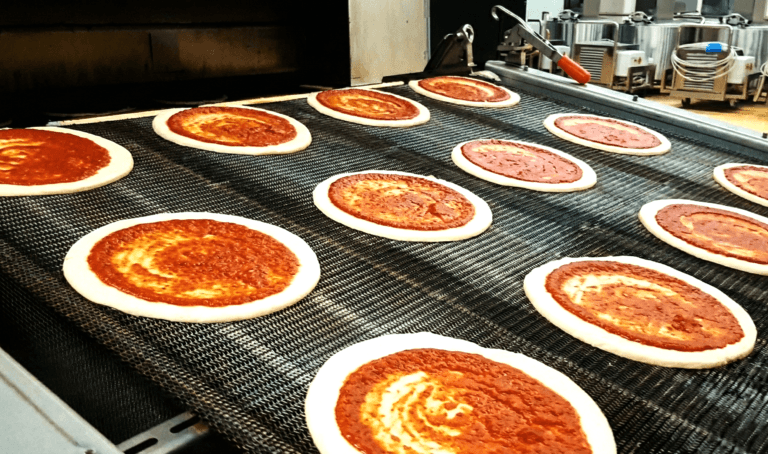
Automating Laminated Dough Production
Manual block preparation might create frustrating bottlenecks and yield uneven pastries. Automating your layering process could offer the precise, continuous workflow your facility might need to eliminate delays and enhance overall quality.
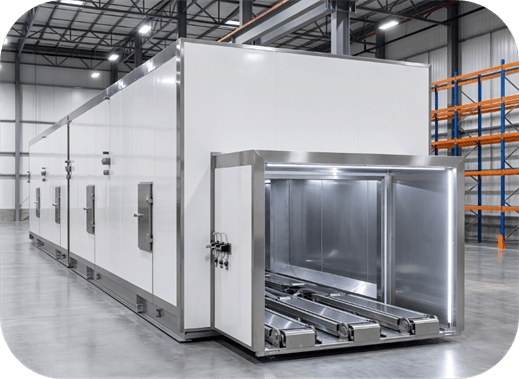
Integrating an automated puff pastry block system into your facility might significantly resolve common production bottlenecks.
Traditionally, manual dough folding and resting stages require immense labor and dedicated square footage. By transitioning to a continuous automated L-shaped line, bakers could achieve a much smoother workflow between the initial mixing and the final shaping stages.
A compact line configuration might easily address layout constraints within busy production floors.
Fitting seamlessly into corners or specific facility layouts, these mechanical systems should help maximize your available workspace. Furthermore, replacing manual lamination with an automated block system may reduce labor fatigue and lower the risk of human error during complex folding procedures.
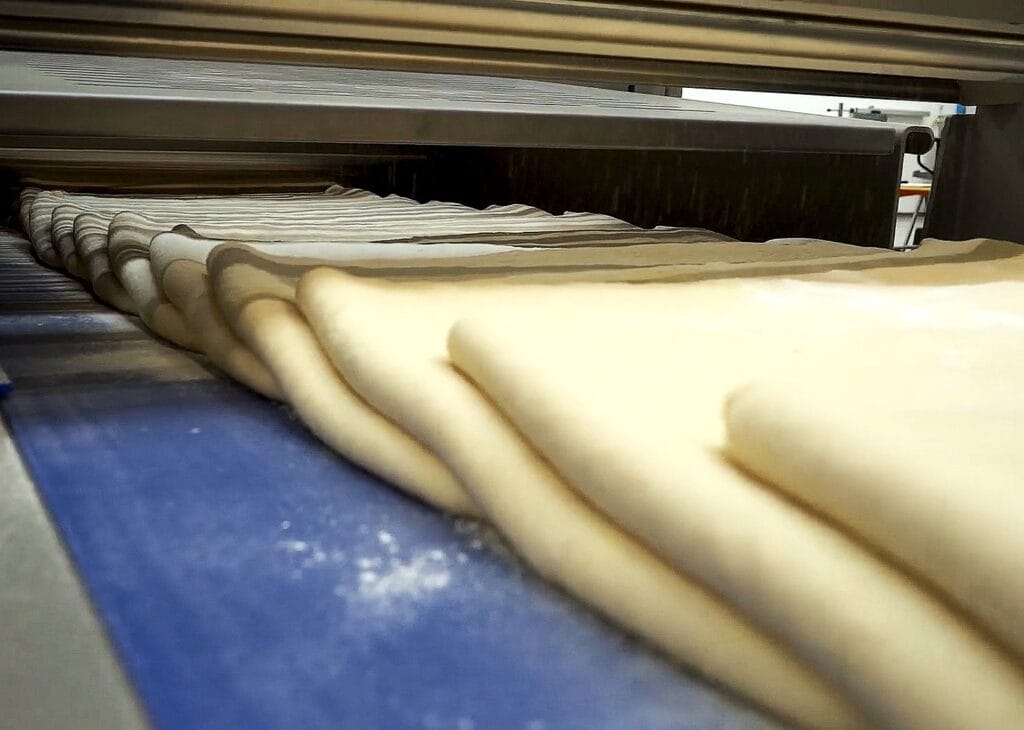
Key problem-solving benefits of this technology include:
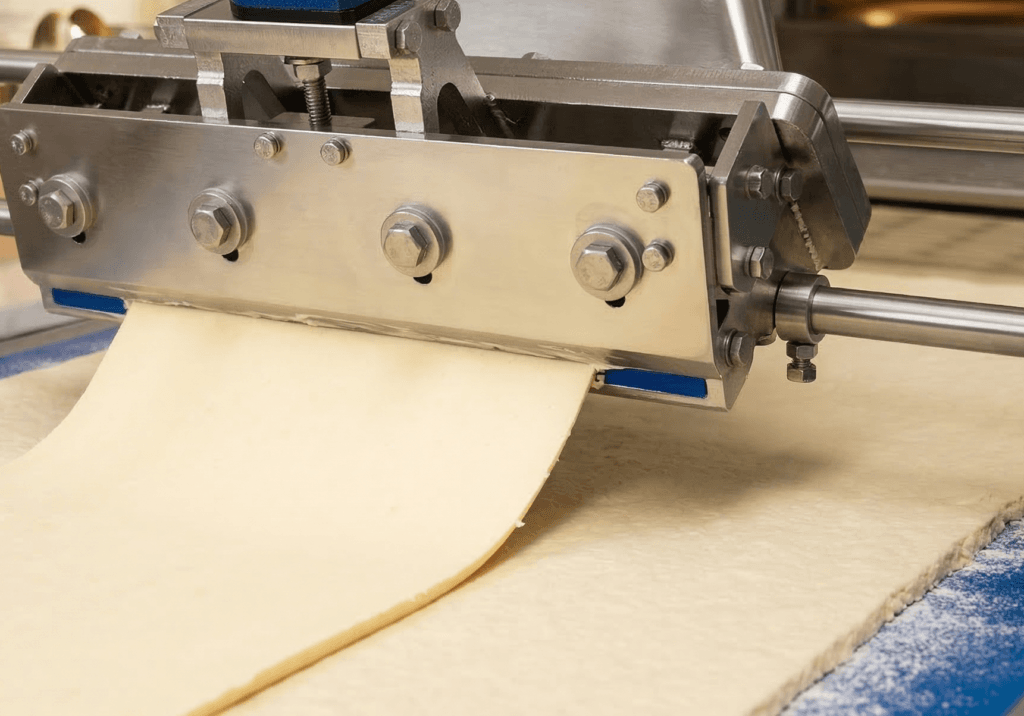
By maintaining a continuous feed, this specialized equipment might effectively prevent the structural flaws often associated with improper manual handling.
Maintaining the distinct layers of fat and dough could be one of the most delicate balancing acts in pastry production.
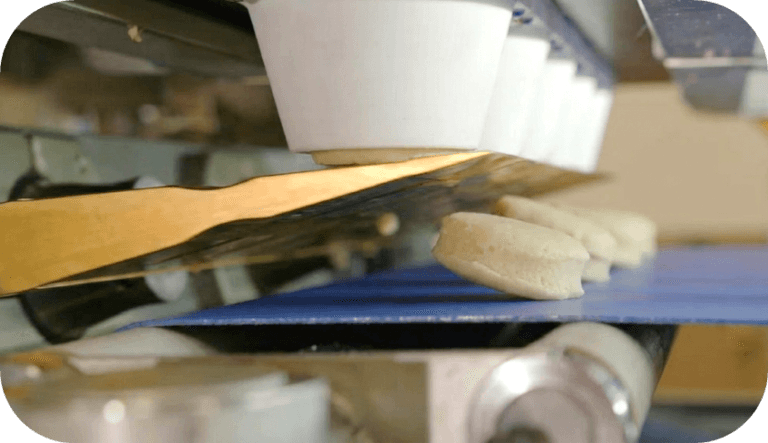
When utilizing automated processing, bakers might better manage the rheological properties of both components; ensuring they stretch uniformly without tearing.
If the laminating fat becomes too warm, it could melt into the surrounding dough network, which might compromise the final flaky texture.
Conversely, fat that is too cold may shatter during the folding stages, creating an irregular internal structure that could lead to uneven expansion in the oven.
Advanced automated systems solves this:
They should provide superior temperature management throughout the continuous sheeting process.
Mechanical handling may reduce the ambient heat transfer typically associated with manual manipulation; keeping the dough block closer to its optimal resting temperature.
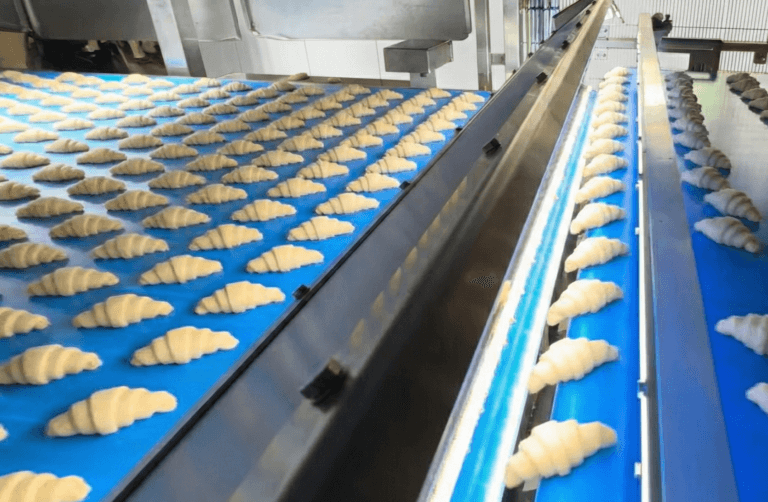
By minimizing sudden thermal fluctuations, these production lines might help stabilize the yeast activity in fermented laminated items like croissants or Danish pastries.
This controlled environment could be instrumental in achieving a predictable proofing phase, which might ultimately yield a more standardized crumb cell structure.
Stress on the gluten network.
Another crucial factor in dough lamination might involve the mechanical stress exerted on the gluten network.
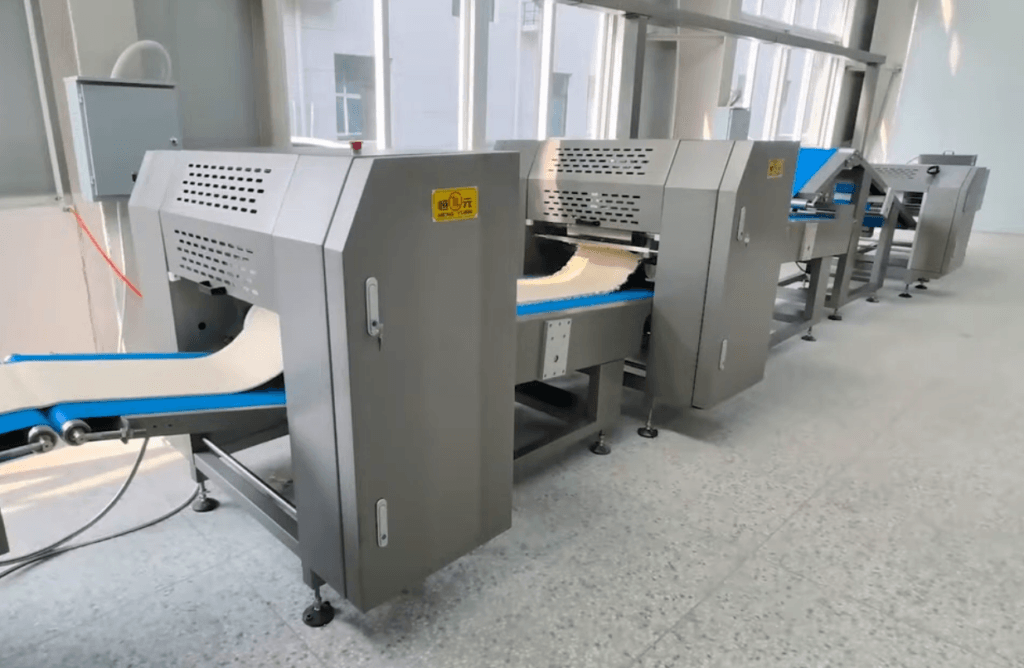
When dough is subjected to excessive force, it may become highly elastic and resist proper shaping, a problem that continuous processing could effectively mitigate.
Consequently, reducing structural tension should allow the dough to relax naturally between sheeting stations, which might enhance both the volume and the tenderness of the final baked goods.
When downstream machines receive a steady supply of well-laminated blocks, the final pastry quality should remain highly uniform.
Upgrading to a dedicated automatic system could be the exact strategic enhancement your bakery might require to scale up operations successfully and leave manual inconsistencies behind.
😊 Thanks for reading!
Sources:
- http://www.raumerlines.com/
https://www.accio.com/plp/full-bakery-equipment - George D. Saravacos
- Athanasios E. Kostaropoulos
- Stanley P. Cauvain
- Linda S. Young
- S. M. D.
- Lakshmi Jagarlamudi
- Barbara Simonato