The Impact of Partial Baking on Bread Glycemic Index and Aroma Retention
Frozen par-baked loaves keep arriving at the retail oven with unpredictable crumb texture, and nobody stops to ask whether the starch that reformed during storage actually changed the bread’s nutritional profile. A new study shows the interruption itself may be your most underrated tool for lowering glycemic index without touching the formula.
A Starch Problem Hiding in Plain Sight
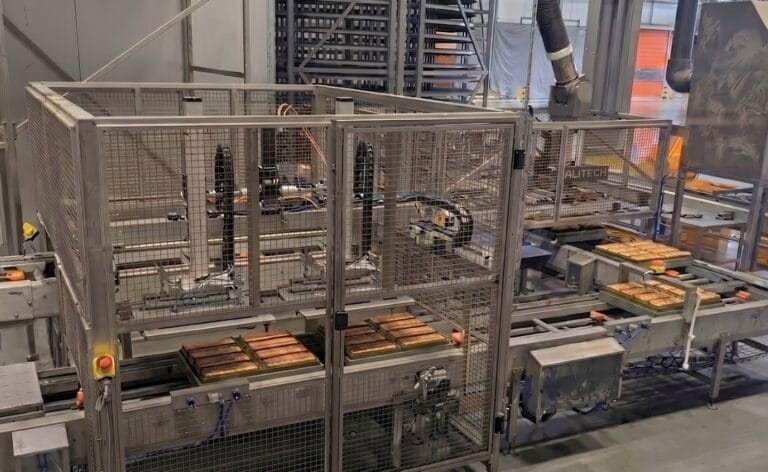
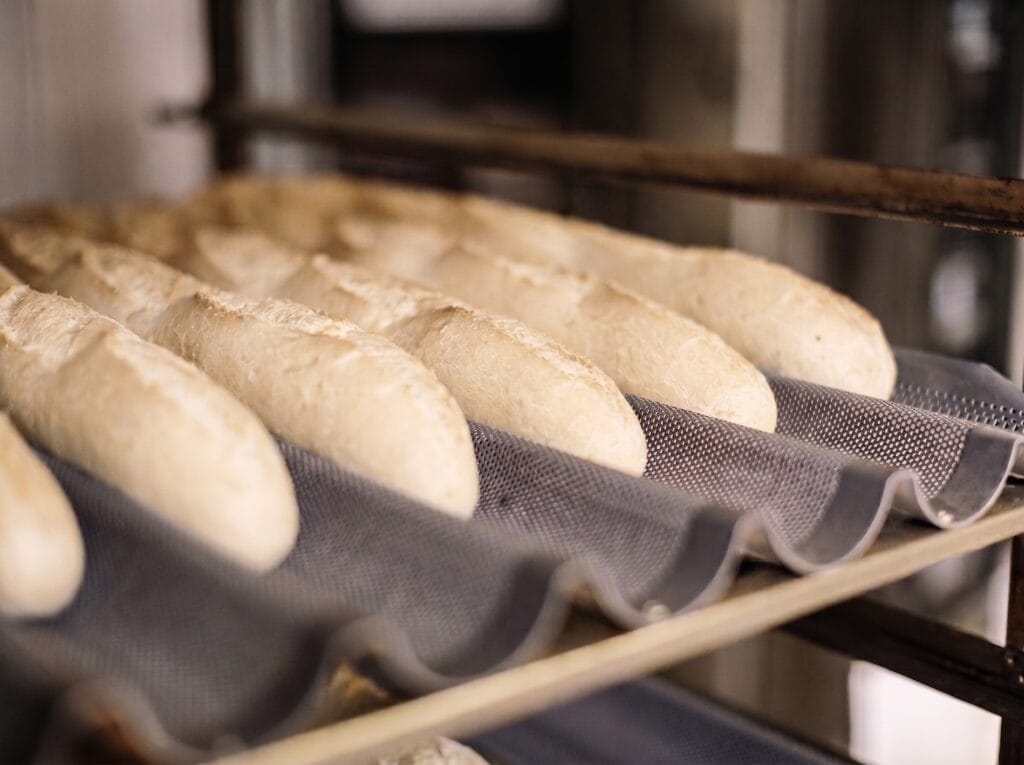
Industrial par-baking has been optimized for logistics, shelf-life, and final appearance. Yet the conversation rarely extends to what happens inside the starch granules when the thermal cycle is cut short at 70 to 80 percent completion and the crumb is rushed into a blast freezer. Most operators treat that transition as a necessary pause. According to a study published in the journal Foods (2026, Volume 15, Issue 13), it is far more than a pause; it is an active modification of the bread’s digestibility and volatile compound fingerprint.
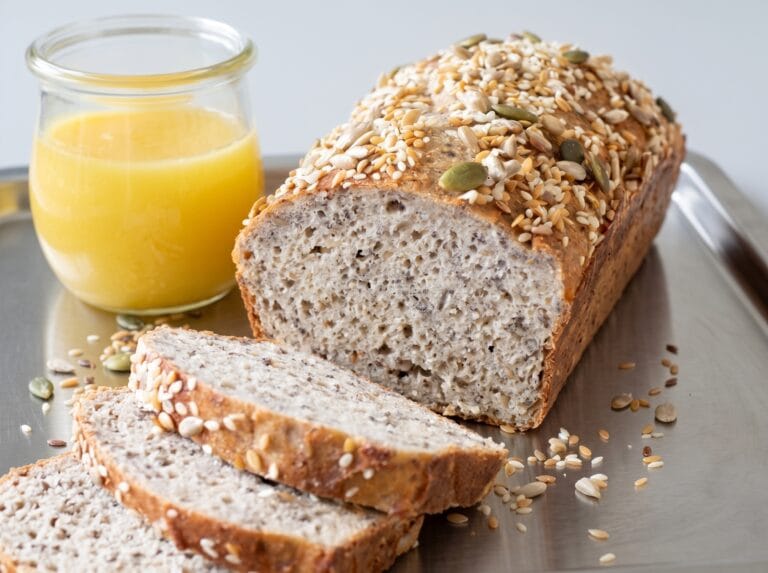
The research tested two traditional Turkish formulations, Afyonkarahisar potato style bread (APSB) and Vakfıkebir style bread (VKSB), alongside a regular bread control. Each was par-baked at 220°C, with APSB pulled from the oven at 7 minutes and VKSB at 9 minutes, then frozen at −18 °C for up to 60 days before completing the bake.
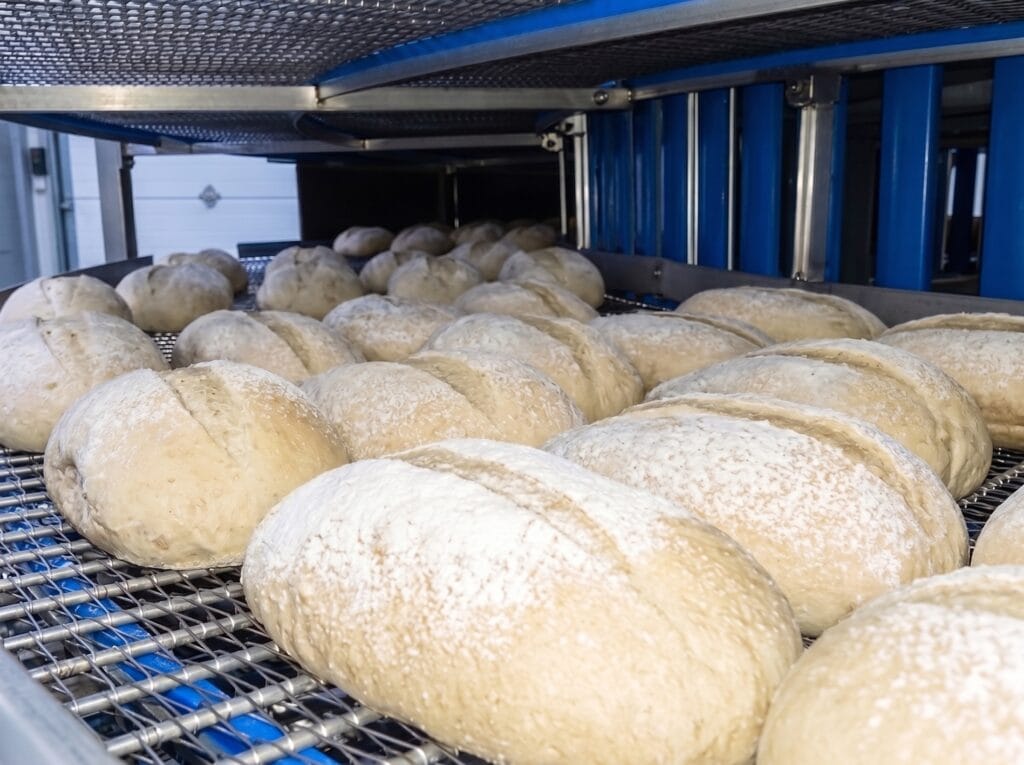
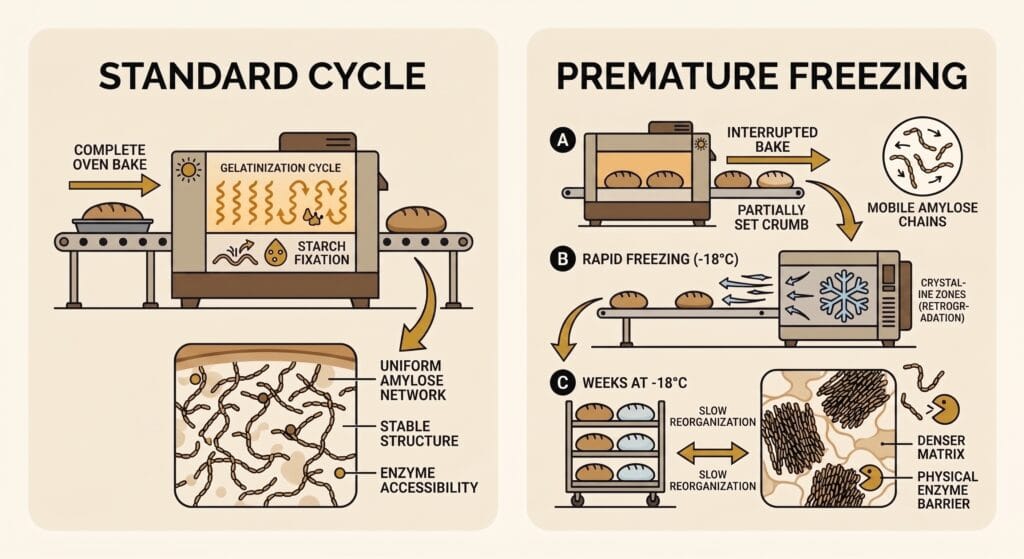
Par-baking interrupts the thermal cycle at 70–80% completion before rapid cooling and freezing, locking in structural starch changes.
How Interrupted Gelatinization Reshapes the Crumb
During a conventional, uninterrupted bake, starch granules absorb water, swell, and gelatinize fully. Once the loaf cools, the amylose chains settle into a structure that digestive enzymes can break down efficiently, releasing glucose into the bloodstream at a relatively high rate.
Pulling the bread out of the oven before that gelatinization cycle is complete changes the trajectory. The partially set crumb enters rapid freezing with amylose chains still mobile enough to reorganize. Over days and weeks at −18 °C, those chains re-associate into tightly packed crystalline arrangements, a process often called retrogradation. These crystalline zones act as a physical barrier: when the bread is finally baked to completion and consumed, the enzymes responsible for starch digestion encounter a denser, more resistant matrix.
The practical outcome is measurable. The study found that par-baked breads consistently showed a lower estimated glycemic index (eGI) than their conventionally baked counterparts.
The Aroma Question Every Product Developer Asks
If the Maillard reaction and caramelization are interrupted before completion, does the finished loaf smell like bread or like reheated dough? This concern has slowed adoption of par-baking in premium product lines where sensory perception drives repeat purchase.
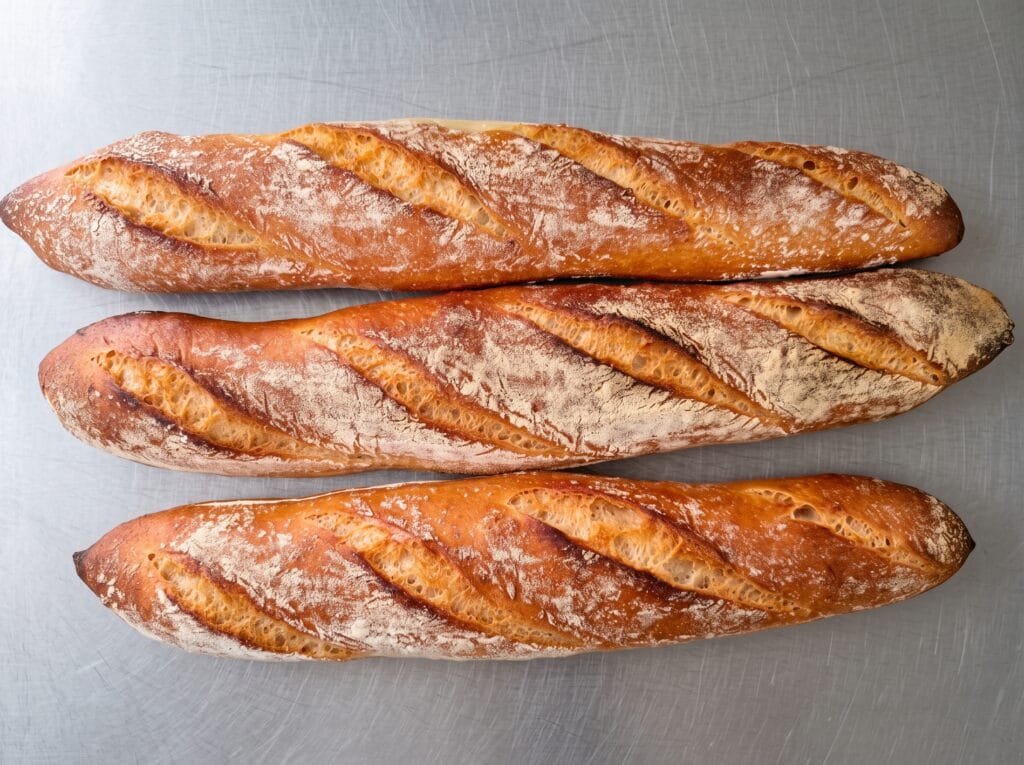
The research team applied Principal Component Analysis to the volatile compound profiles across all sample groups. The results revealed a clear separation between non-par-baked breads and par-baked breads, confirming that the two are aromatically distinct. However, distinct does not mean inferior. The par-baked loaves, once finished in a second bake, developed their own characteristic volatile profile. Key crust-derived compounds, the ones consumers instinctively associate with freshly baked bread, were retained.
This is a critical distinction for formulation teams. The aroma of a par-baked product completed at point of sale is not a weakened echo of a fully baked loaf. It is a separate profile that can be tuned through final bake temperature, duration, and steam injection. Operators who adjust those parameters at the retail oven stage can optimize Maillard-driven aromatics independently, without interfering with the glycemic benefit already locked into the crumb during frozen storage.
Quality Stability: The 60-Day Window
Storage duration remains the commercial bottleneck for any frozen bread program. The study tracked specific volume and hardness across the full 60-day frozen storage period, and the results offer a practical quality map:
| Bread Type / Parameter | Par-Bake Time (220 °C) | Sensory Quality (up to 60 days) | Hardness / Staling Threshold |
|---|---|---|---|
| APSB (Afyonkarahisar Potato Style) | 7 minutes | No significant loss up to 60 days | Increased significantly only at day 60 |
| VKSB (Vakfıkebir Style) | 9 minutes | Stable quality profile | No significant staling until after day 60 |
| Regular Bread Control | 7–9 minutes | More severe volume loss | Meaningful hardness increase at day 60 |
These timelines sit comfortably within standard frozen distribution chains supplying supermarkets, convenience retail, and food service operations.
😊 Thanks for reading!
Sources:
https://doi.org/10.3390/foods15132392
Yilmaz, S.; Bekiroglu, H.; Ozulku, G. “The Effect of the Partial Baking Method on the Quality, Volatile Compounds Profile, and Glycemic Index of Some Traditional Turkish Bread Types.” Foods 2026, 15(13), 2392.