Why Tissue Bread Layers Peel Cleanly: The Role of the Closed Pullman Pan
Keeping sub-millimeter laminated layers parallel and intact through oven spring would likely be the main challenge in producing tissue bread at scale.…

Industrial tunnel ovens, cyclothermic and direct gas-fired systems, hydrogen-electric baking, thermal profiling, oven humidity control, and energy recovery.
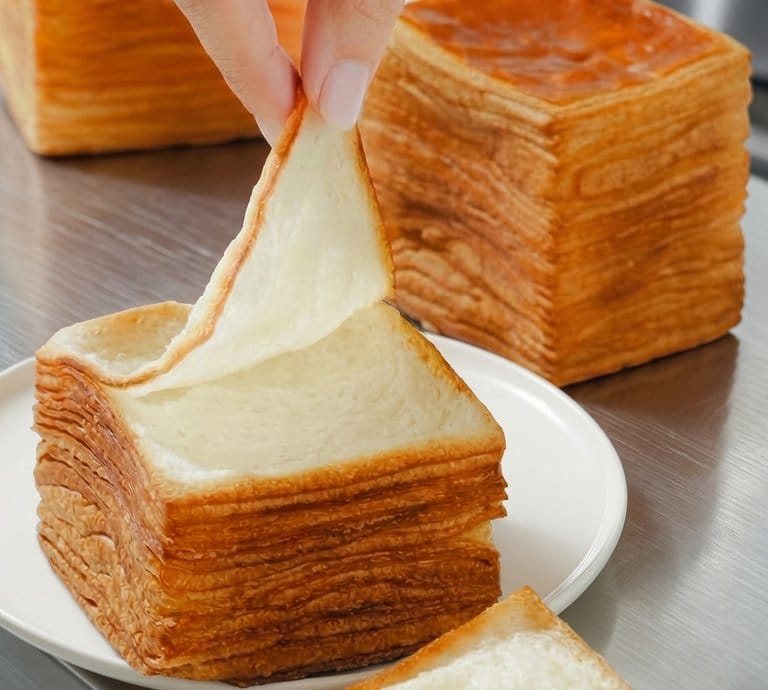
Keeping sub-millimeter laminated layers parallel and intact through oven spring would likely be the main challenge in producing tissue bread at scale.…
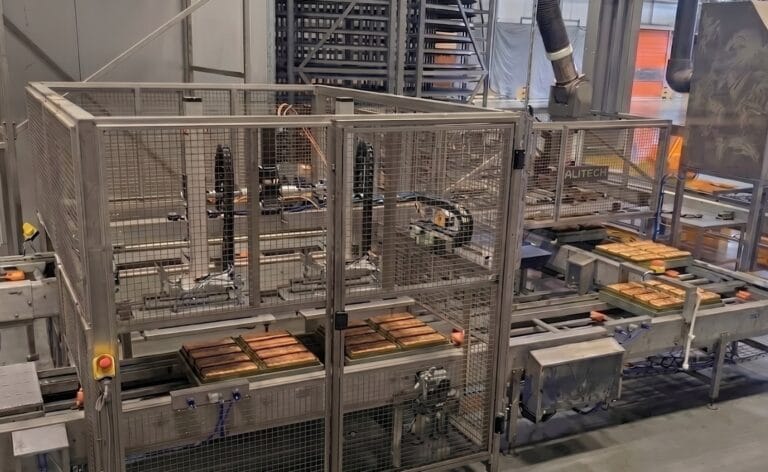
In high-volume bread production, pans and lids that protect product shape and volume become the very obstacles that impede efficient crust formation.…
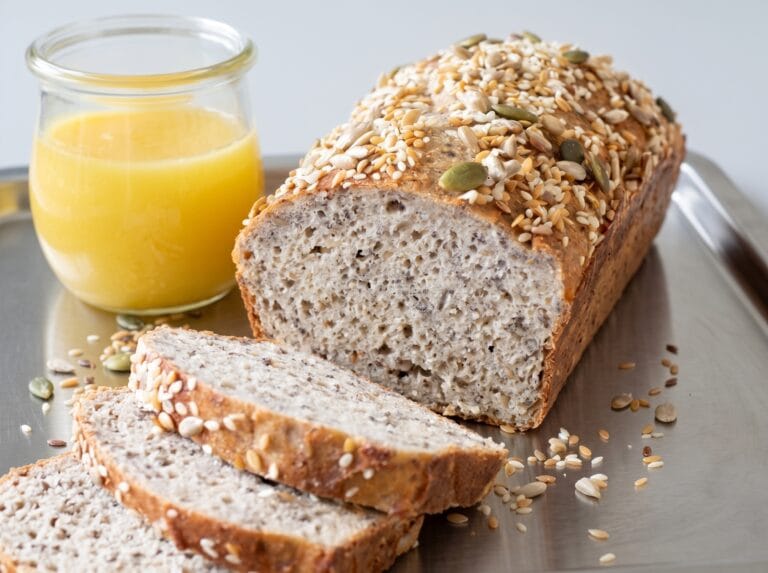
Gluten-free keto doughs formulated with ancestral fats lack elasticity, causing collapse during industrial mixing and sheeting. Integrating high-absorption hydrocolloids with egg albumin…
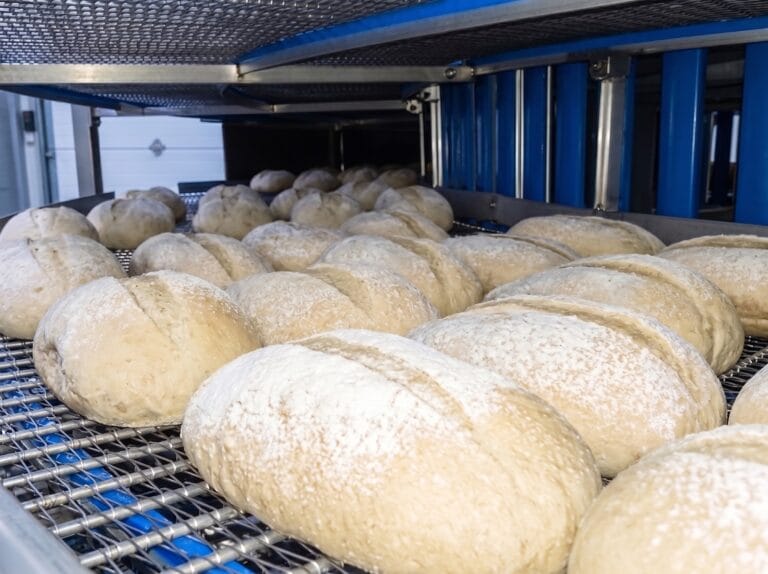
Frozen par-baked loaves keep arriving at the retail oven with unpredictable crumb texture, and nobody stops to ask whether the starch that…

Conventional proteases collapse at 65 °C, limiting volumetric expansion during baking. A newly genetically engineered pepsin withstands extreme heat, relaxing the gluten…
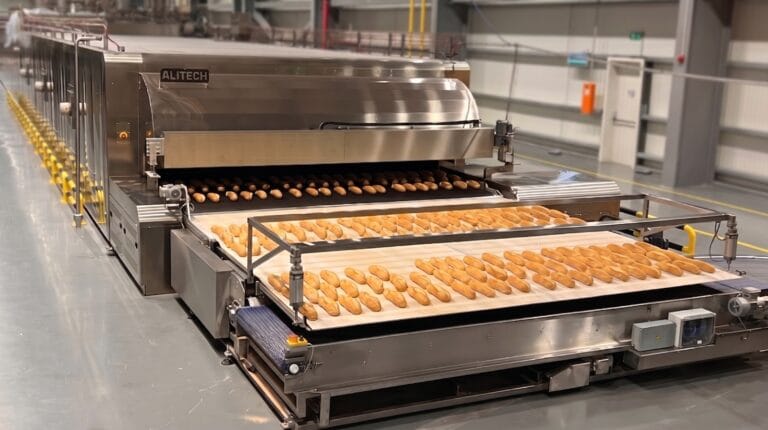
As consumer demand for product diversity grows, industrial bakeries face up to 25% unplanned downtime when running multiple formats on dedicated lines.…

Bakers often struggle with upcycled materials compromising dough structure. Adding a sustainability label does not fix torn gluten networks or poor crumb…
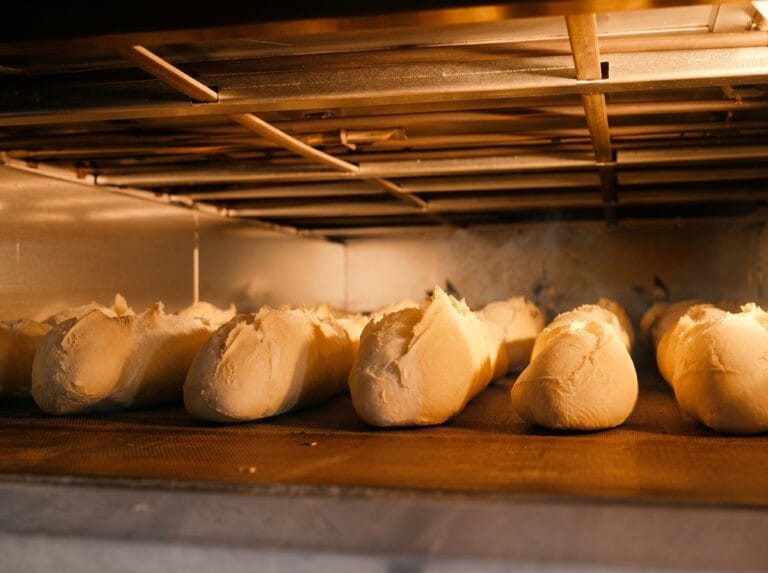
Standard enzymes fail as ovens heat up, leading to limited bread volume. New Taq1 proteases activate only at high temperatures, allowing for…

Unpredictable oven temperatures lead to inconsistent batches and wasted energy. Relying on manual adjustments and invasive probes might only catch errors after…

Baking is the single most energy-intensive stage in bread and biscuit manufacturing. Rising fuel costs and carbon reduction targets are forcing the…
Technical insights, trends, and innovations.
The premier source of insights for the baking sector.