Large Loaf for Longer the Shelf Life: Artisan Bread for HORECA
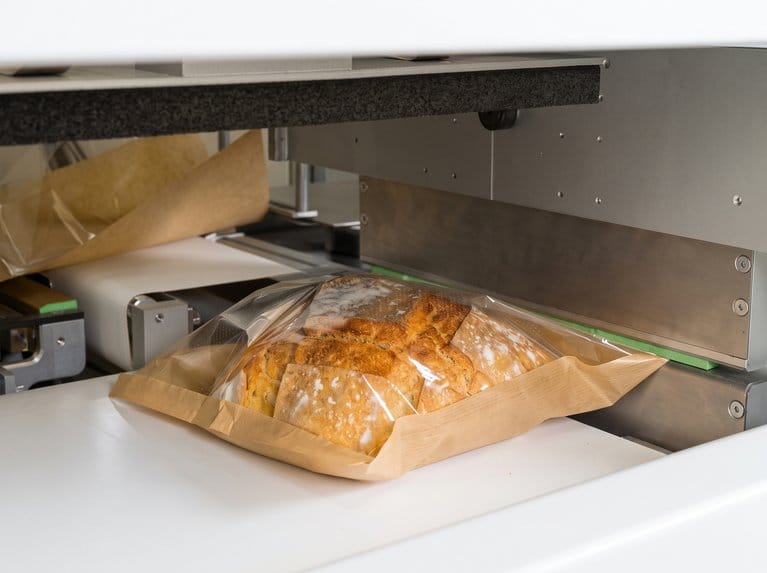
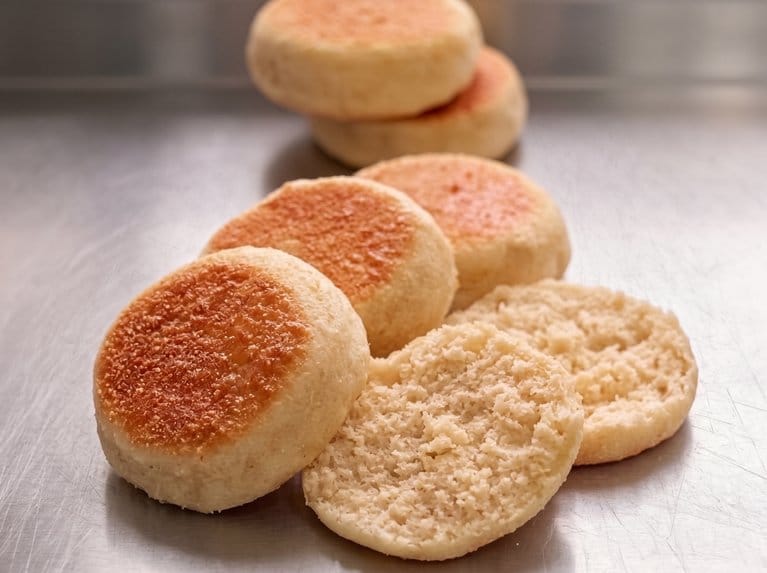
Without preservatives or emulsifiers, a 2 kg sourdough loaf can hold its crumb moisture for four to seven days, while a 250 g roll baked from the same clean formula dries out overnight. That gap is not artisan mystique; it is geometry, crust chemistry and smart business rolled into one product that bakeries sell on repeat to restaurants every week.
The Geometry That Keeps the Crumb Alive
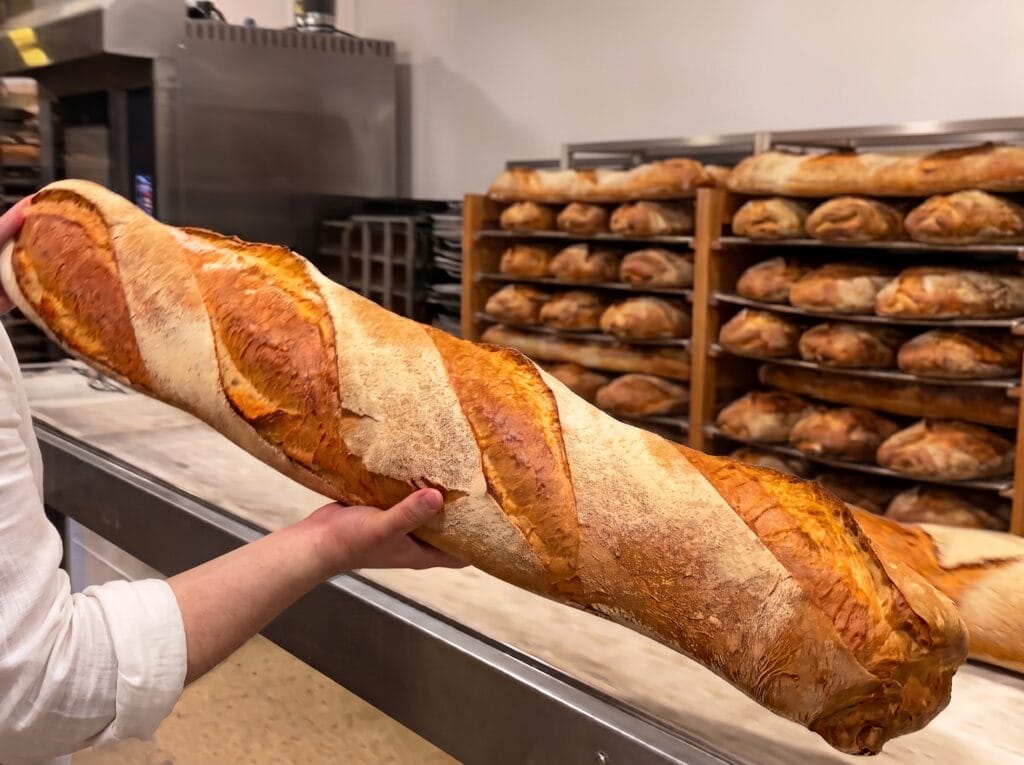
When dough weight doubles, volume grows faster than surface area. A 2 kg boule exposes proportionally less crust to the surrounding air than a set of eight 250 g rolls totaling the same mass. Less exposed surface means less evaporation, and less evaporation means the free water inside the crumb remains available to keep starch gels soft and pliable.
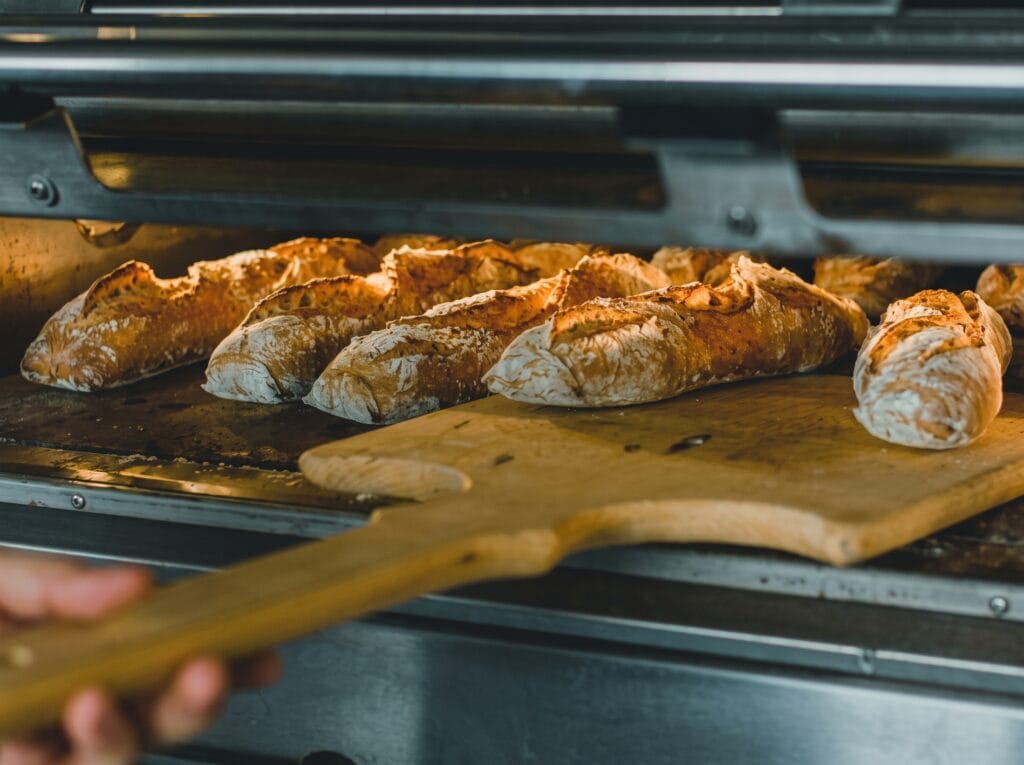
This lower surface-to-volume ratio also creates significant thermal inertia. Heat from a stone-sole oven penetrates slowly toward the center, demanding bake times of 45 to 60 minutes at moderate, often decreasing temperatures. The interior never reaches the extreme dryness that small pieces suffer in a fast, high-heat bake. After the loaf exits the oven, the dense core continues releasing residual steam gradually, which keeps the crumb hydrated long after cooling is complete.
A Thick Crust Built by Time and Heat
Extended bake time does more than cook the center; it transforms the outer shell. Reducing sugars and amino acids interact on the dough surface once it surpasses roughly 115 °C, producing the cascade of Maillard compounds, pirazines, furanos and aldehydes, responsible for the deep hazelnut color and complex roasted aroma of a well-baked loaf. Above 160 °C, caramelization of residual sugars layers additional sweetness and brittleness onto the crust.
The result is a thick, low-permeability barrier that drastically limits moisture migration from the crumb to the environment. In practical terms, this crust functions as a natural seal: it protects the interior the same way a lid protects a pot of water from evaporating.
While a thin baguette crust may soften and lose its bite within hours, the dense shell of a large-format loaf remains structurally intact for days.
As the loaf cools slowly after baking, volatile aromatic compounds travel inward from the crust into the miga, enriching the sensory profile with notes of malt, toasted nuts and caramel. This slow aromatic diffusion simply does not occur in small pieces that cool in minutes.
Slowing Down Starch Retrogradation Without Additives
Bread goes stale primarily because the amylose and amylopectin molecules in gelatinized starch begin to realign into rigid crystalline structures, a process known as retrogradation. As these chains recrystallize, they squeeze out water molecules, leaving the crumb progressively firmer, drier and crumblier.
In a large-format loaf, three factors slow this process naturally:
The combined effect is a shelf life of four to seven days with no emulsifiers, no modified starches and no preservatives, a window that aligns perfectly with the weekly delivery cycle most restaurants prefer.
The Business Case: Recurring B2B Revenue for the Bakery
For a craft bakery, selling a 2 kg loaf to a café or restaurant is operationally superior to selling the equivalent weight in individual rolls.
Forming efficiency. Shaping ten 2 kg pieces requires a fraction of the labor needed to shape eighty 250 g rolls.
Oven utilization. Large pieces fill the stone sole efficiently, reducing the number of bake cycles per batch weight. Energy cost per kilogram of finished bread drops substantially when fewer loads are needed.
Predictable orders. While retail walk-in sales fluctuate with weather, holidays and foot traffic, a HORECA (Hotels, Restaurants and Cafés) contract delivers a steady, predictable volume from Monday through Sunday. That stability smooths cash flow and simplifies raw material purchasing.
Pricing dynamics. The wholesale price typically carries a 30 % to 45 % discount compared to the retail counter, yet the savings in packaging, counter staff time and forming labor offset the margin compression. Net profitability per kilogram of flour often improves.
Why the Restaurant Wants the Big Loaf
On the other side of the transaction, the hospitality operator gains three concrete advantages:
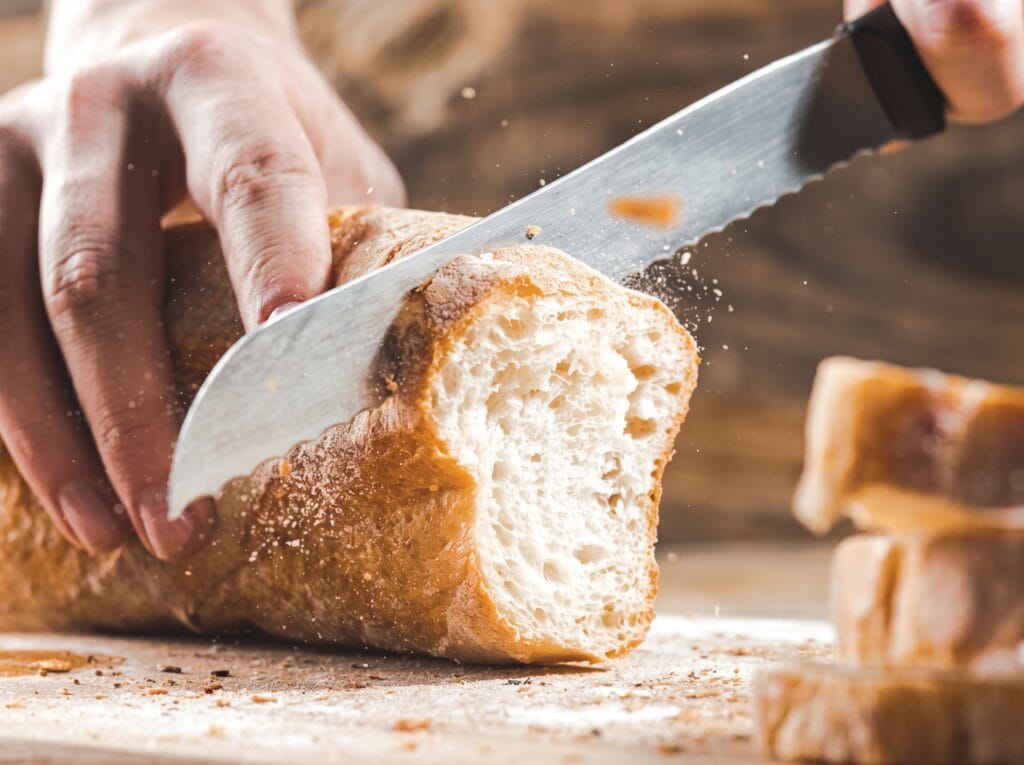
Slice-on-demand freshness. A 2 kg loaf cut only as orders arrive keeps the exposed crumb fresh throughout the service. The hostelero uses the same piece across multiple shifts with minimal quality loss, something impossible with pre-sliced or individual rolls that stale in hours.
Zero-waste portioning. Uniform transversal slices allow precise cost-per-serving calculations (escandallo). The kitchen controls thickness, weight and presentation, reducing both food cost variance and plate waste.
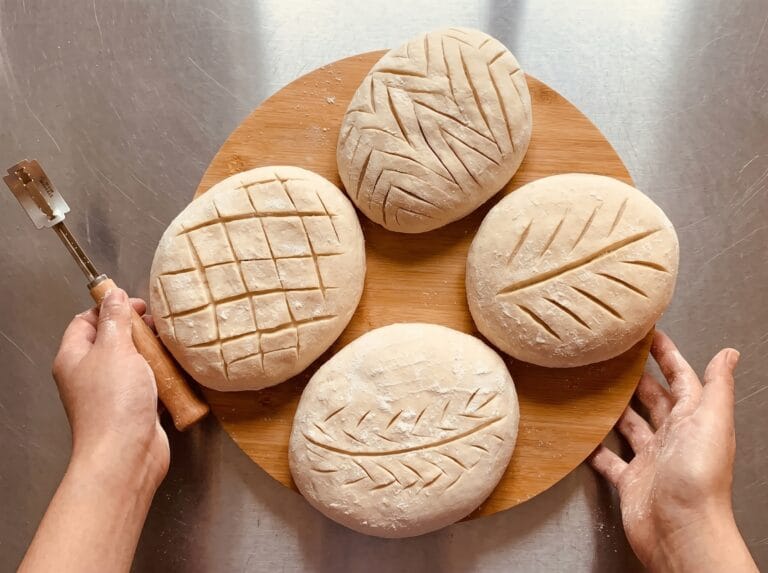
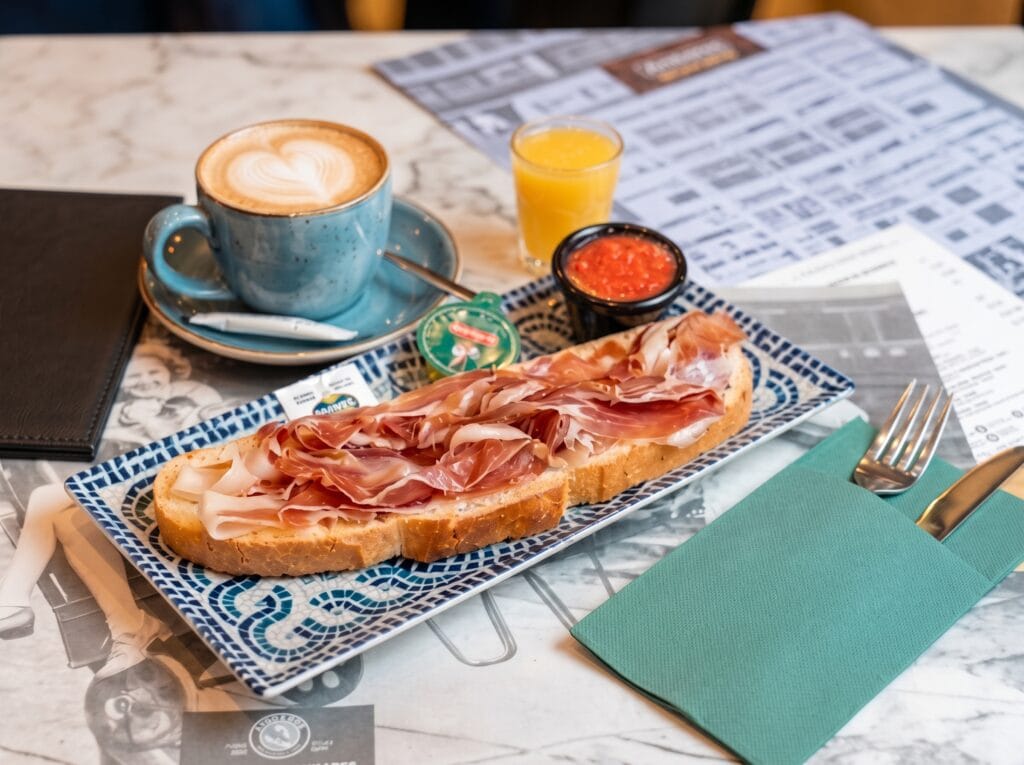
Brand identity on the table. A rustic, alveolated crumb with a caramelized crust communicates craft and quality before the first bite. The bread is no longer a neutral side item; it becomes a signature element that differentiates the establishment, whether served as a sourdough toast for brunch, a bruschetta base, or a bread-basket centerpiece in a hotel breakfast buffet.
😊 Thanks for reading!
- Sources:
- Axford, D.W.E. et al. (1968). “Effect of Loaf Specific Volume on the Rate and Extent of Staling in Bread.” Journal of the Science of Food and Agriculture, 19(2), 95–101. ResearchGate
- Gray, J.A. & Bemiller, J.N. (2003). “Bread Staling: Molecular Basis and Control.” Comprehensive Reviews in Food Science and Food Safety, 2(1), 1–21. Wiley Online Library
- -“Bread Staling: Mechanism, Detection and Prevention.” Bakels Worldwide. bakels.com
- “Staling.” BAKERpedia. bakerpedia.com
- -“The Maillard Reaction and Caramelization in Bread Crust.” Baking Techniques Authority. bakingtechniquesauthority.com
- “How to Start a Wholesale Bakery Business for HORECA.” Okin Food Equipment. okin.es
- Cauvain, S.P. (2015). Technology of Breadmaking (3rd ed.). Springer.