How Cactus Mucilage and Xanthan Gum Synergize to Build Stronger Gluten-Free Bread Structures
Gluten-free baking often suffers from alveolar collapse and restricted loaf volume due to the absence of a cohesive protein network. Incorporating a synergistic blend of cactus mucilage powder and xanthan gum builds a flexible, water-binding biofilm that stabilizes gas cells, preventing collapse during and after baking.
The Core Limitation of Single-Hydrocolloid Scaffolds
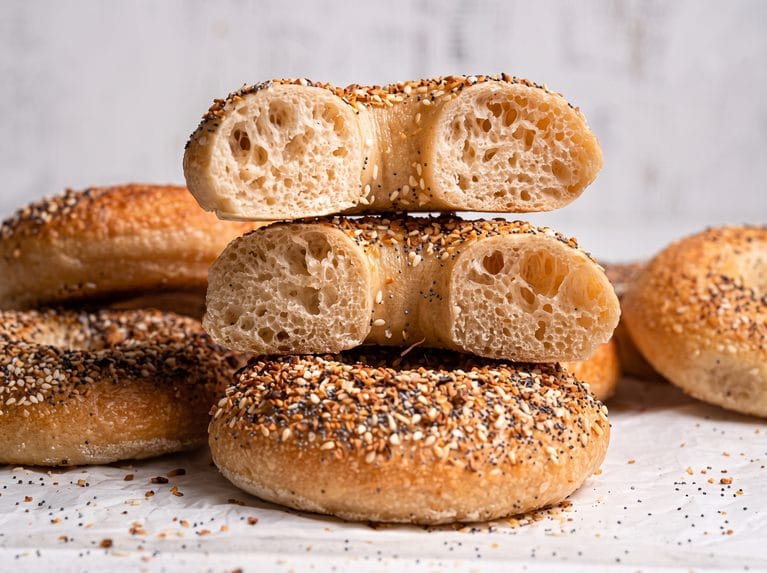
In gluten-free formulations, reproducing the viscoelastic behavior of gluten remains a major technical challenge. Standard rice or corn flour batters lack the cohesive matrix required to retain carbon dioxide during proofing and baking. Historically, bakeries have relied on xanthan gum to provide structural integrity. While xanthan gum successfully increases batter viscosity and creates a rigid pseudoplastic network, it often restricts the free expansion of the gas cells. This restriction yields a dense crumb with a tight cell structure and limited loaf volume.
The high rigidity of a pure xanthan gum network prevents the batter from stretching smoothly as gas pressure rises. Under the stress of rapid gas expansion, the cell walls may tear prematurely, leading to gas loss and a subsequent decrease in final product height. Additionally, xanthan gum alone lacks the elastic compliance needed to cushion the transition from proofing to baking, which often generates a coarse and rubbery crumb texture.
The Mechanism of the Hybridized Biofilm
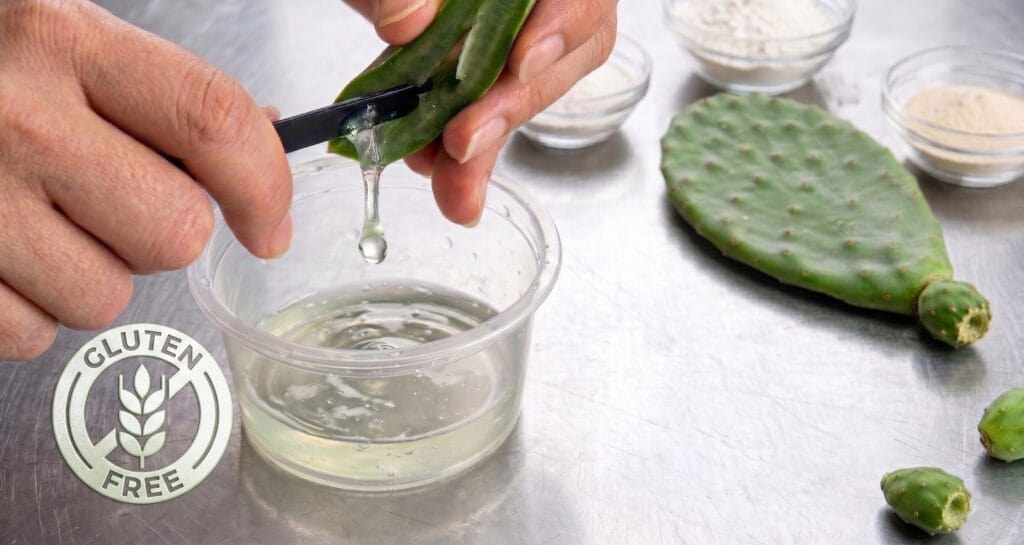
Introducing cactus mucilage powder, which is a natural hydrocolloid rich in arabinose, galactose, and rhamnose monomers, into a xanthan-stabilized rice flour matrix creates a non-linear synergy. The combination of these two hydrocolloids shifts the mechanical performance of the gluten-free batter, allowing it to mimic gluten’s natural elasticity.
This co-processed gum network operates through specific physical interactions during the mixing and proofing stages:
Thermal Stability and Gas Retention During Baking
As the dough enters the oven, the rising temperature accelerates gas expansion and triggers starch gelatinization. Without a robust stabilizing agent, the rapidly expanding bubbles merge, leading to a weakened crumb skeleton. Cactus mucilage powder prevents this cell wall rupture by regulating the distribution of water at the boundary of each pocket of air.
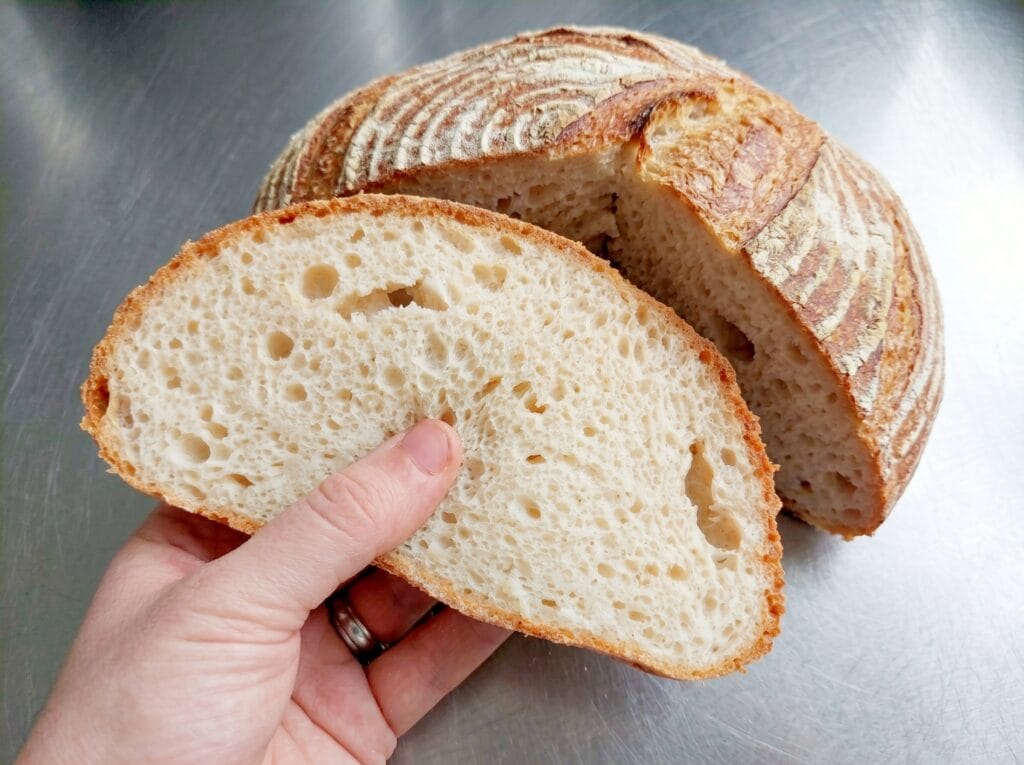
The dual-layer polymer film surrounding the gas cells maintains its structural stability through several processes:
Controlling Staling and Maintaining Crumb Elasticity
Beyond its structural benefits during baking, the hybrid network directly impacts the shelf life of the packaged product. Staling occurs as amylose and amylopectin molecules recrystallize, a process that draws water out of the crumb and makes the bread firm. The unique water-binding capacity of the cactus mucilage and xanthan gum complex restricts this moisture migration.
By tightly binding water within the crumb structure, the complex lowers the rate of starch retrogradation. Under temporal stress tests, gluten-free loaves formulated with this synergistic gum blend maintain a soft and springy texture over extended periods. This stabilization allows commercial manufacturers to achieve a clean label status, removing the need for chemically modified celluloses such as hydroxypropyl methylcellulose.
😊 Thanks for reading!
Sources:
Problems and Approaches in the Improvement of Gluten-Free Bread Texture: A Comprehensive Review