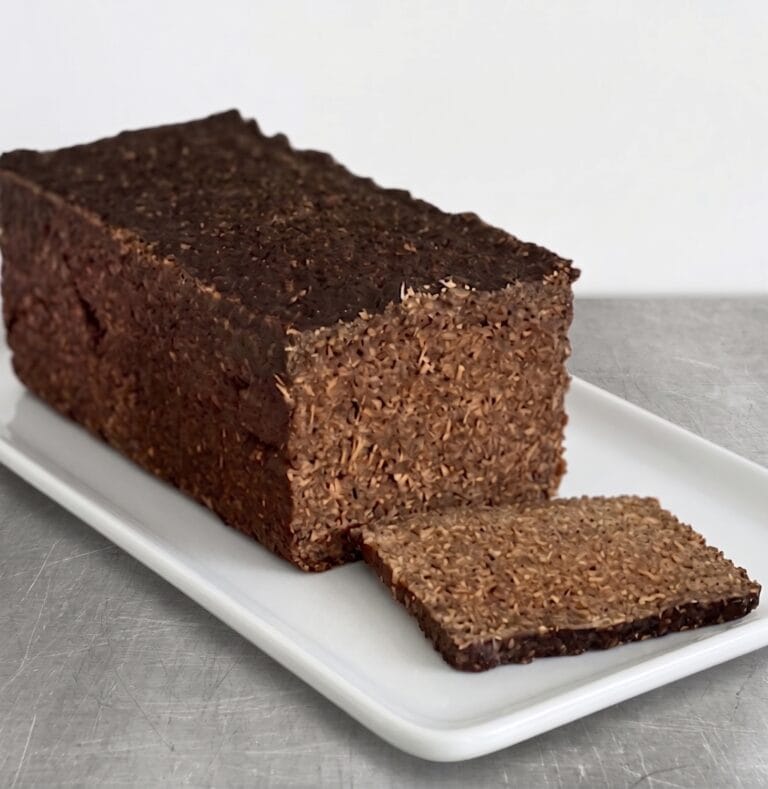
Starch Retrogradation Control: Tannic Acid as a Functional Additive
Wheat starch retrogradation degrades high-moisture bakery shelf life and spikes postprandial glucose. Submolecular tannic acid incorporation could disrupt amylose crystallization, potentially extending product shelf life and converting digestible carbohydrates into clinically resistant fibers.
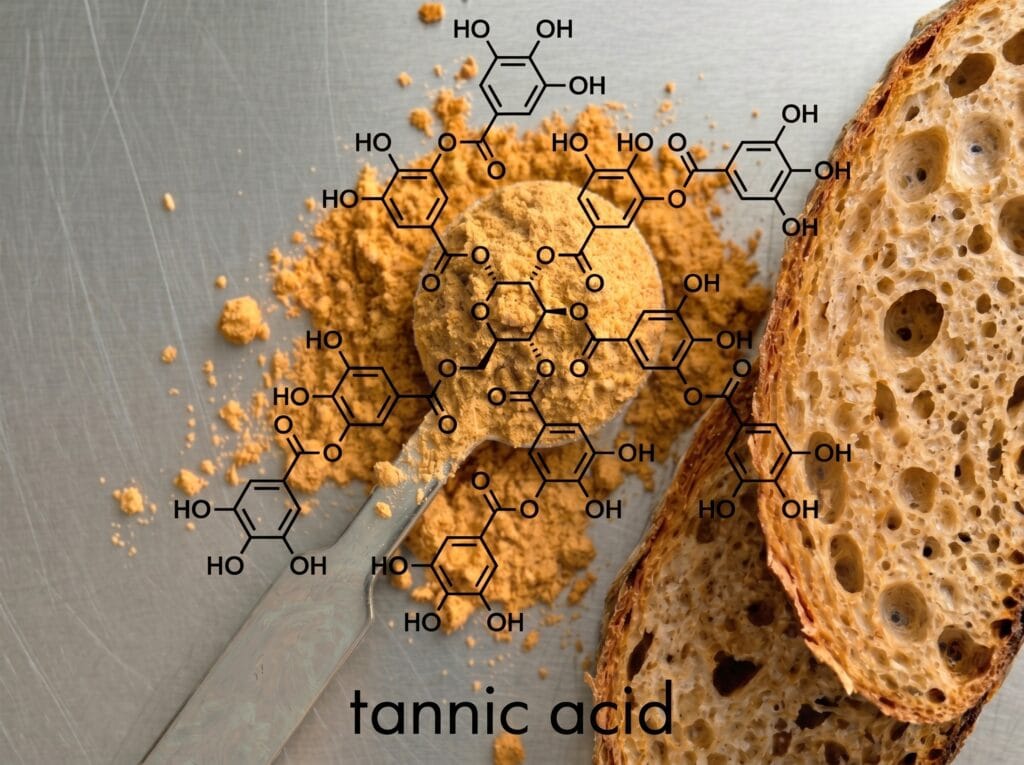
The degradation of organoleptic properties in baked or steamed doughs represents a persistent challenge for the high-moisture bakery industry; the loss of softness and syneresis could severely limit the commercial shelf-life window. Upon cooling, gelatinized amylose and amylopectin chains undergo spontaneous reorganization to re-establish their original crystalline order; this process is widely known as starch retrogradation.
This phenomenon could not only degrade final product texture, turning it into a crumbly and hardened body, but it might also facilitate uncontrolled enzymatic access during digestion, accelerating glucose release into the bloodstream.
To counteract this physical and nutritional degradation, recent research published in LWT – Food Science and Technology and the International Journal of Biological Macromolecules describes a solution based on non-covalent chemical interactions between polyphenols and polysaccharides.
Specifically, the utilization of tannic acid as a functional additive could act as a structural control agent capable of modifying crystallization kinetics at the nanometric scale. This approach could redefine stabilization strategies by directly intervening in system thermodynamics without altering the integrity of the wheat flour matrix.
The controlled addition of this polyphenol would introduce physical interference that could directly compete with the natural tendency of glucan chains to reorganize; the behavior of this interaction may depend closely on the concentration of the phenolic compound incorporated into the dough formulation.
At moderate concentrations, tannic acid might limit intermolecular starch interactions, reducing long-term structural rigidity. At higher concentrations, the remaining free polyphenol could exert a direct enzymatic block in the digestive tract, drastically lowering the hydrolysis rate of digestible carbohydrates.
Technical Mechanisms of Molecular Interaction
Nutritional and Metabolic Benefits
From a clinical standpoint, the nutritional reprogramming of the starch matrix is highly significant. By converting Rapidly Digestible Starch (RDS) into Slowly Digestible Starch (SDS) and indigestible Resistant Starch (RS), this formulation could avoid the rapid postprandial glucose surges that trigger compensatory insulin hypersecretion.
The slow, sustained release of glucose should stabilize metabolic demand, potentially reducing long-term risks associated with insulin resistance and type II diabetes. Furthermore, delayed carbohydrate absorption could prolong satiety, offering a therapeutic tool for weight management and metabolic health.
Impact on the Production Line and Commercialization
By blocking the primary phase of starch retrogradation, manufacturers could experience a significant increase in the shelf life of high-moisture bakery products, reducing waste from returns and extending the logistics distribution radius. Moisture retention within the crumb could stabilize for longer periods, which might decrease reliance on expensive synthetic emulsifiers or complex chemical additives.
From a value-added and commercial positioning perspective, slowing down the rate of carbohydrate digestion could flatten the postprandial insulin response, allowing traditional mass-market products to be labeled as diabetes-friendly or low glycemic index formulations.
😊 Thanks for reading!
Sources:
- https://www.researchgate.net/publication/380227326_Unraveling_the_Complexities_of_Starch_Retrogradation_Insights_from_Kinetics_Molecular_Interactions_and_Influences_of_Food_Ingredients
- Shuting Duan, Cheng Li (2025/2026), “Tannic acid regulates wheat starch digestibility via competitive inhibition of starch retrogradation and enzymatic activities of pancreatin and amyloglucosidase”, International Journal of Biological Macromolecules.