How to Manage Crust Color in High-Hydration Doughs
High-hydration doughs delay crust browning by acting as thermal buffers, which often extends baking cycles and dries out the crumb. Implementing targeted thermal profiles, rapid moisture extraction, and precise enzymatic supplementation accelerates surface coloration, reducing oven retention times while protecting internal crumb structure and plant yield.
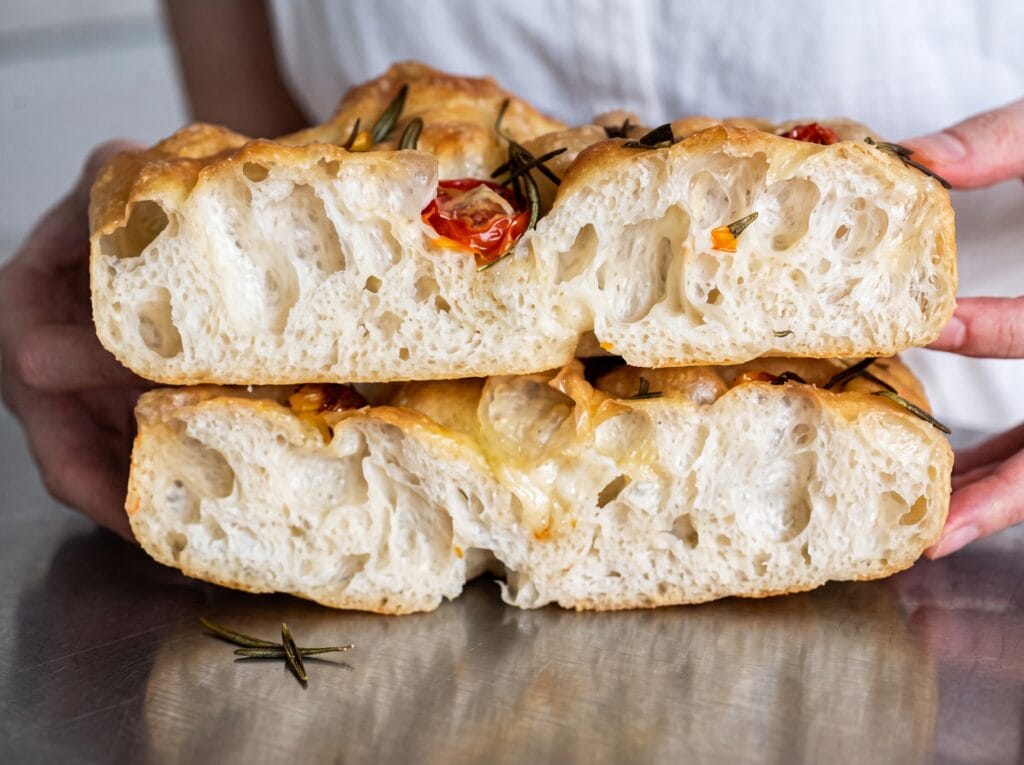
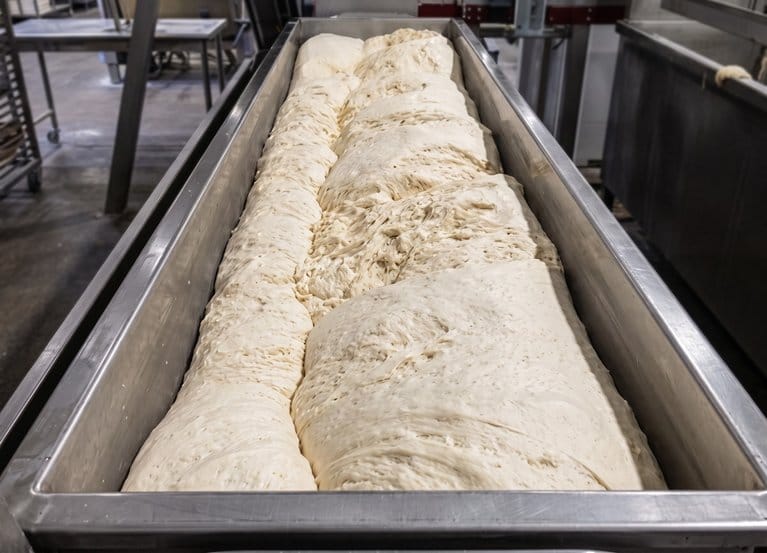
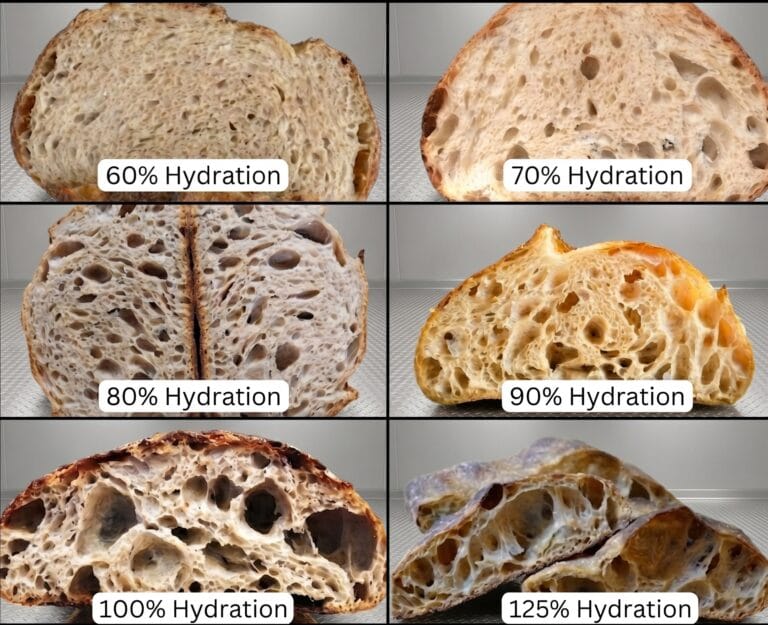
Processing doughs with water absorption levels ranging from 80% to over 100% relative to flour weight introduces unique operational challenges on continuous baking lines. While high hydration creates desirable open crumb structures, it alters heat transfer requirements and can disrupt the timing of crust development.
The Thermal Bottleneck in High-Water Formulations
Excess water on the dough surface acts as a stabilizer during the initial stages of baking. Because water has a high latent heat of vaporization, the surface of the dough remains close to 100 degrees Celsius as long as free moisture is present.
This thermal buffering delays the temperature rise needed to reach the 140 degrees Celsius threshold where reducing sugars and amino acids react to form melanoidins. In continuous lines, this delay can lead to several production issues:
Heat Transfer Strategies in Tunnel Ovens
Compensating for the cooling effect of surface water requires deliberate control over the modes of heat transfer, using conduction, convection, and radiation to drive evaporation rapidly without burning the product base.
High-Mass Conductive Conveyors
Replacing lightweight wire mesh bands with solid steel bands or heavy-link conveyor systems delivers immediate conductive energy to the bottom of the dough piece.
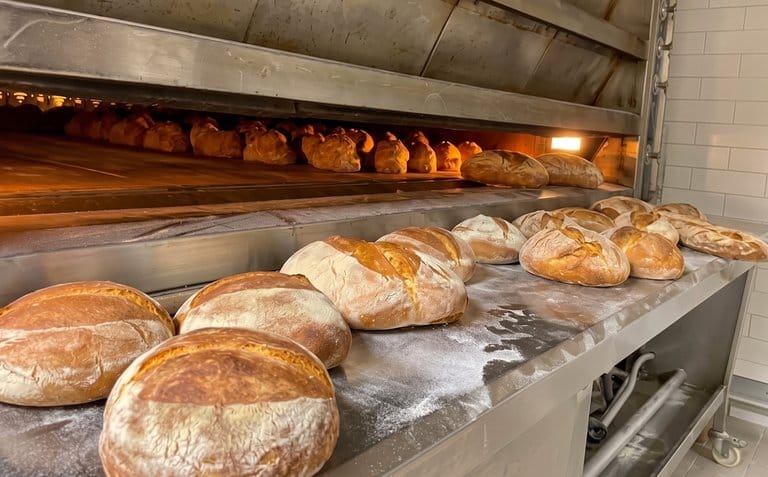
For high-volume artisan lines, stone-sole tunnel ovens integrate natural stone tiles directly onto the continuous conveyor. This provides a high thermal mass that resists local cooling when wet dough is loaded, facilitating a rapid initial rise in base temperature.
Zoned Thermal Profiling
Continuous tunnel ovens must be configured with a sharp, descending temperature profile across successive zones to balance volume expansion and crust drying:
Recommended Reading:
Air Impingement Systems
Standard baking chambers can develop a stagnant, high-humidity boundary layer of steam directly above the baking dough. This boundary layer slows the rate of evaporation from the crust.
Integrating high-velocity air impingement nozzles in the middle zones of the oven directs dry, heated air streams at the product surface. This breaks the boundary layer, speeds up surface drying, and initiates browning earlier in the baking cycle.
Precursor and Moisture Management
Controlling the chemistry of browning requires sufficient concentrations of reactive sugars and amino acids, along with precise environmental moisture control inside the baking chamber.
Targeted Browning with Infrared Finishing
Incorporating gas-fired or electric infrared panels into the final zone of the tunnel oven offers a highly responsive method for correcting color deficits.
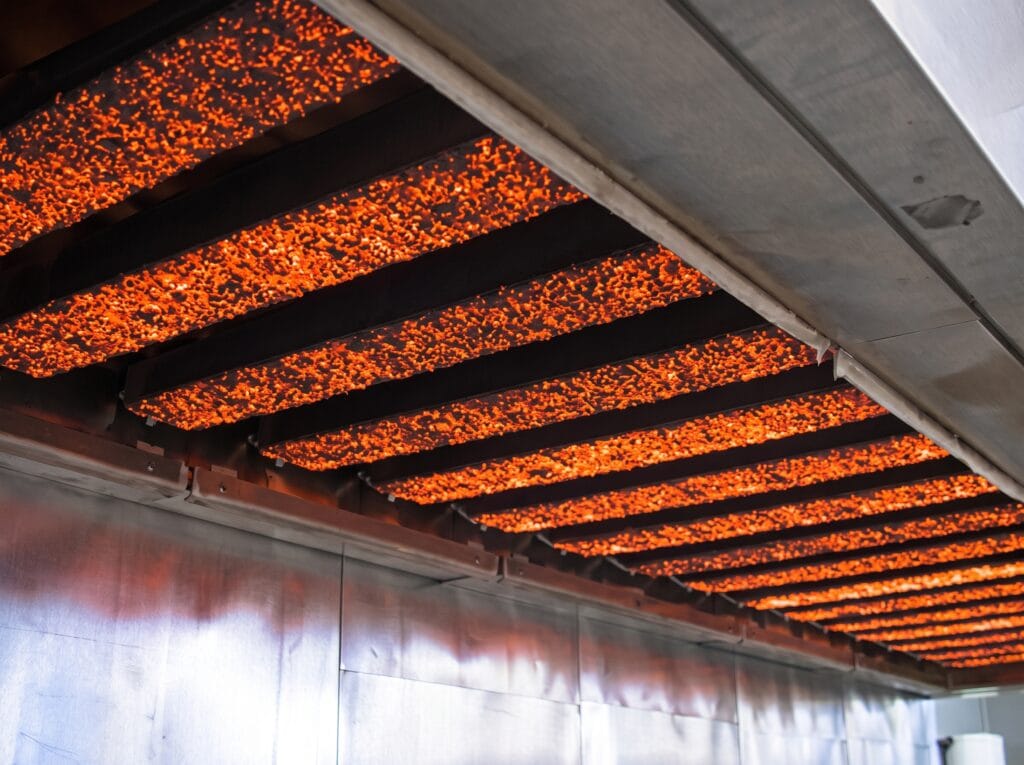
Infrared radiation targets the outermost layer of the loaf directly, raising the surface temperature above the 140 degrees Celsius threshold within seconds. Because this energy transfer is highly localized, it could complete the browning process without requiring a longer total bake time, thereby preserving crumb moisture and ensuring the product meets target shelf-life expectations.
😊 Thanks for reading!
Sources:
- Cauvain, S. P., & Young, L. S. (2007). Technology of Breadmaking. Springer Science & Business Media.
- Zhou, W., Therdthai, N., & Hui, Y. H. (2014). Bakery Products Science and Technology. John Wiley & Sons.
- Davidson, I. (2014). Biscuit Baking Technology: Processing and Engineering Manual. Academic Press.