Getting Bulk Fermentation Right When Batch Sizes Grow
Fixed-time bulk schedules that work at 10 kg routinely could fail at 200 kg, producing uneven acidification, collapsed crumb, and batch-to-batch inconsistency.…

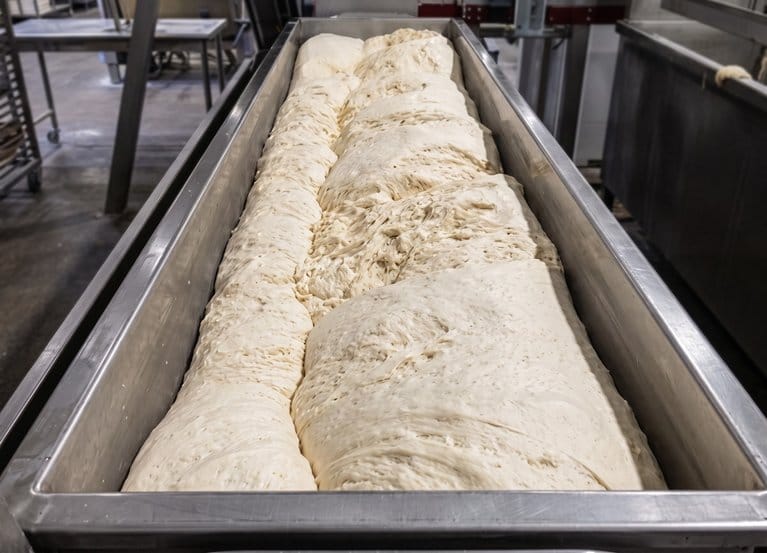
Fixed-time bulk schedules that work at 10 kg routinely could fail at 200 kg, producing uneven acidification, collapsed crumb, and batch-to-batch inconsistency.…
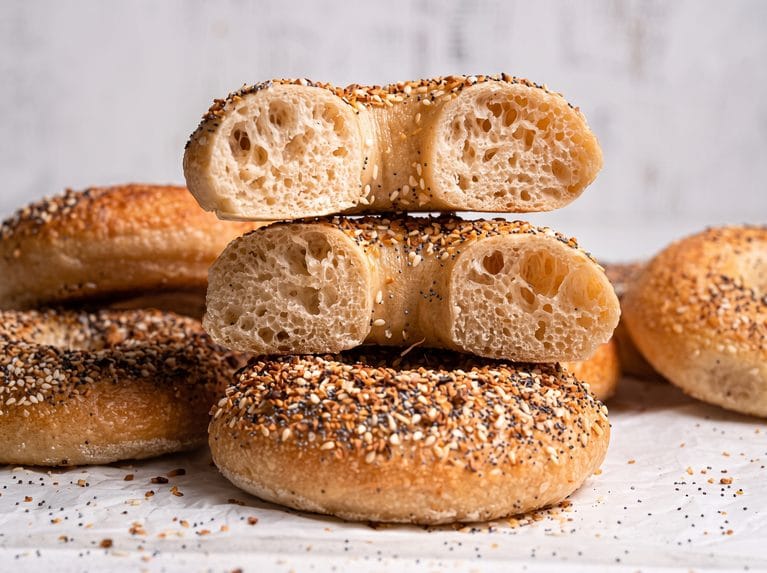
Crumb collapse, surface blistering and excessive density cost thousands of units per shift on high-speed bagel lines. The root cause lies in…
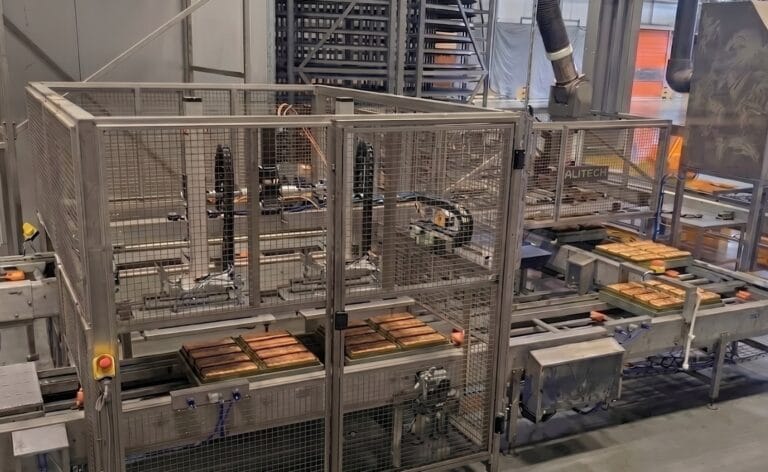
In high-volume bread production, pans and lids that protect product shape and volume become the very obstacles that impede efficient crust formation.…

The Spandauer demands simultaneous control of lamination rheology, fat crystallography, filling thermostability, and cryogenic preservation. At 10,000 to 40,000 pieces per hour,…

Laminated dough demands fillings that hold their structure without crushing air cells, resist moisture migration that softens the flaky crust, and deliver…
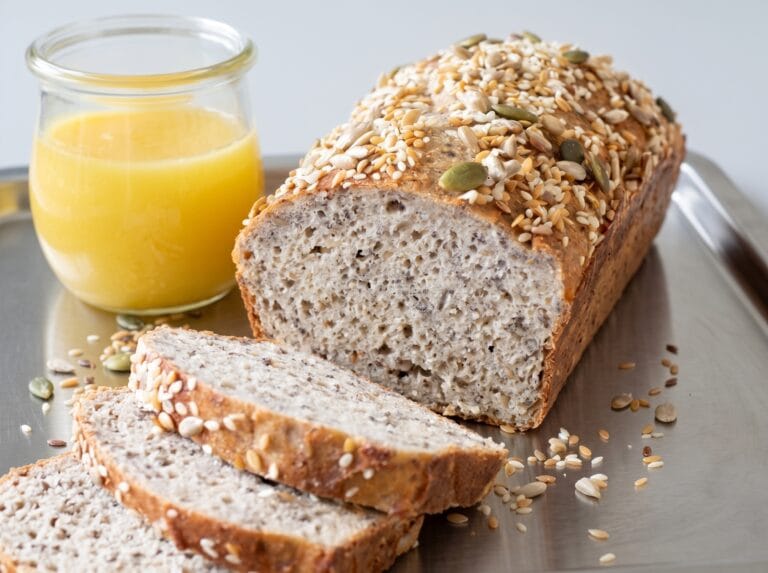
Gluten-free keto doughs formulated with ancestral fats lack elasticity, causing collapse during industrial mixing and sheeting. Integrating high-absorption hydrocolloids with egg albumin…
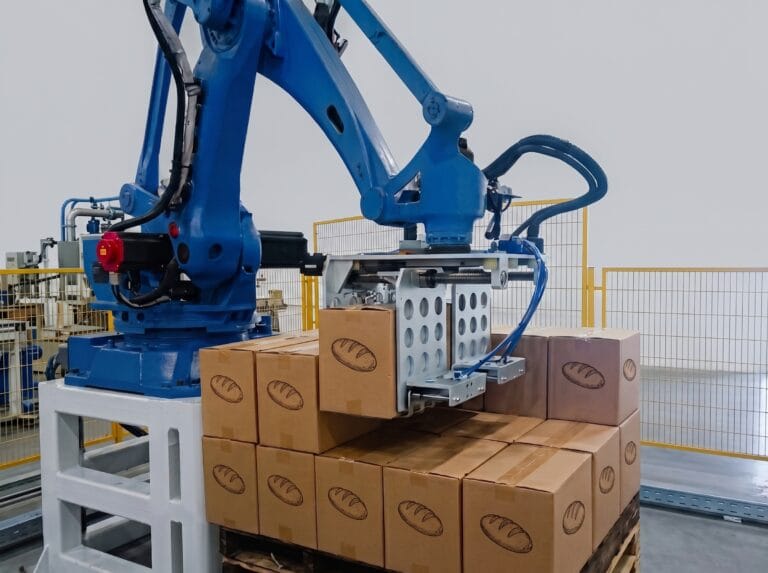
Manual stacking at the end of the packaging line remains one of the most physically demanding and operationally fragile stages in bread…
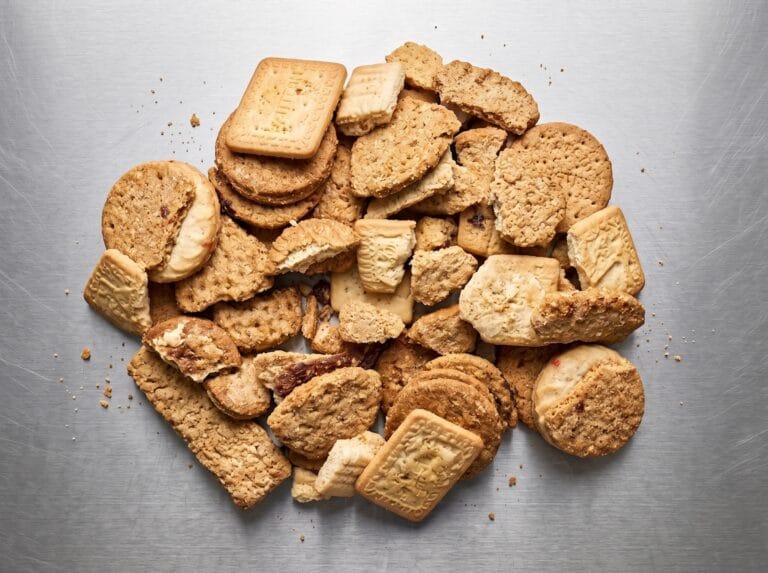
Sandwich cookies could fail for seven recurring reasons that share a single thread: the collision between moisture physics, fat crystallography, and mechanical…
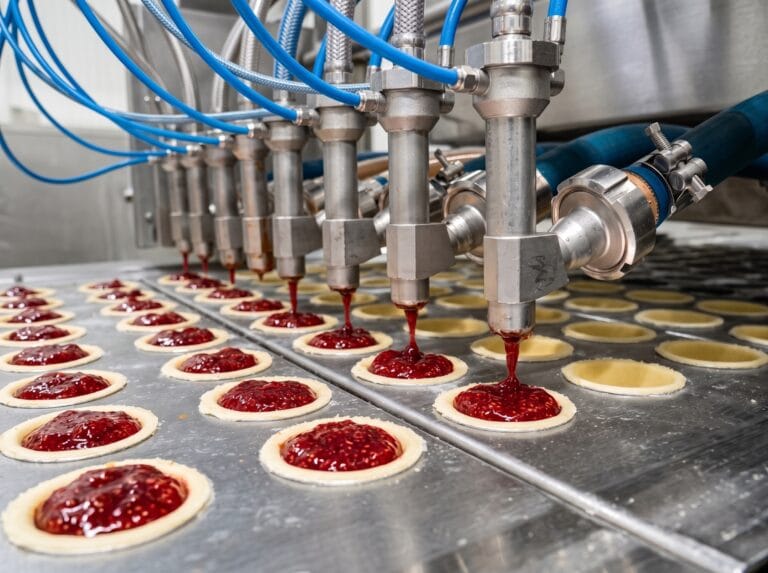
Inconsistent filling viscosity causes nozzle clogging, weight variation, and post-bake blowouts on high-speed lines. Solving these failures requires understanding how sugars, hydrocolloids,…
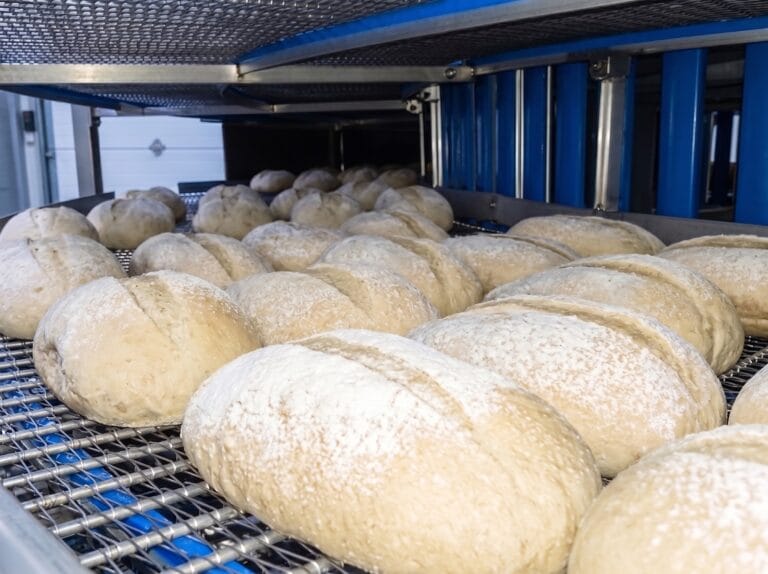
Frozen par-baked loaves keep arriving at the retail oven with unpredictable crumb texture, and nobody stops to ask whether the starch that…
Technical insights, trends, and innovations.
The premier source of insights for the baking sector.