Lye Application for the Perfect Mahogany Crust.
Pale colors and dull textures can ruin hours of careful mixing. A controlled lye bath might provide the exact chemical reaction needed to transform standard dough into a beautifully browned, authentic bake.
Sodium hydroxide, commonly known as lye, acts as an essential alkaline compound in the bakery industry.
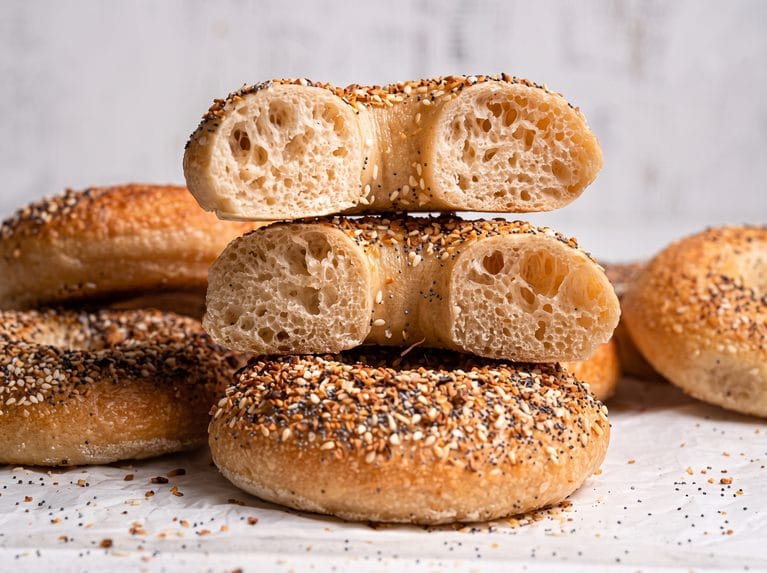
While treating dough with a caustic chemical might sound intimidating, this process may be responsible for the signature dark brown crust and distinct flavor of authentic European pretzels and bagels.
When dough is briefly submerged in a diluted lye solution before baking, the high alkalinity alters the surface chemistry.
This elevated pH could create the ideal environment to accelerate the Maillard reaction during baking.
The Maillard reaction represents a complex chemical process where amino acids and reducing sugars react under heat, generating rich colors and complex flavor profiles.
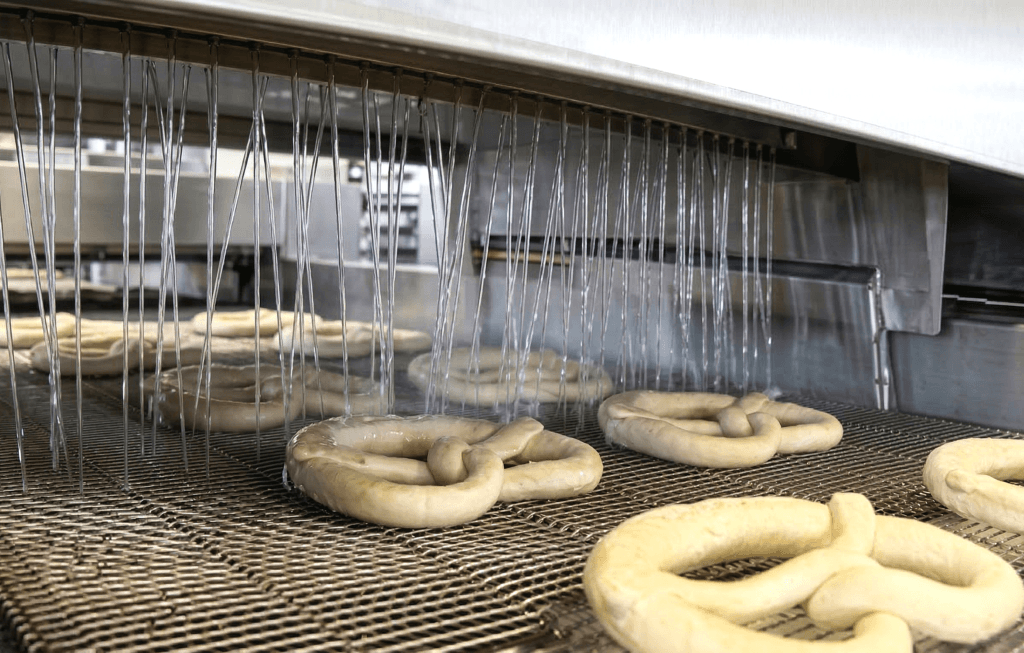
Lye is highly reactive, so preparation requires strict safety protocols. Bakers should always add lye concentrates to water rather than the reverse order, preventing dangerous splashes.
To achieve consistent results without risking the soapy taste of excessive alkalinity, professionals typically maintain specific parameters:
Applying a sodium hydroxide solution alters the physical and sensory characteristics of the final baked good.
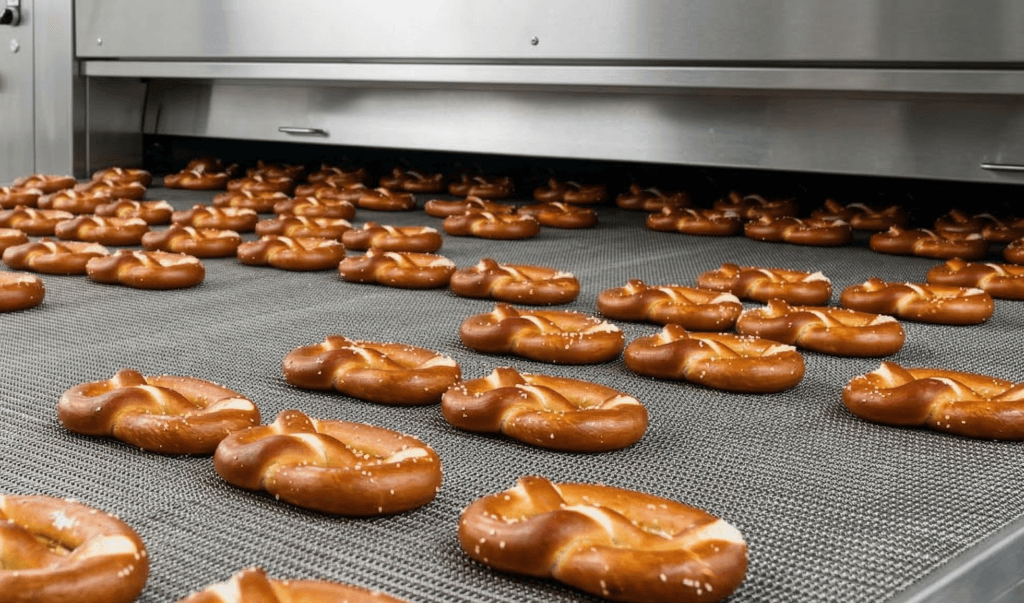
- Crust Color: The enhanced Maillard reaction promotes a deep, glossy mahogany finish that standard water or baking soda baths simply might not replicate.
- Texture: The alkaline wash gelatinizes surface starches slightly, which might help form a distinctively crisp exterior while keeping the interior soft and chewy.
- Flavor Profile: The chemical conversion during baking neutralizes the caustic properties, leaving behind a unique savory tang that consumers immediately associate with traditional pretzels.
Mastering lye application requires precision and respect for the chemical components involved.
By controlling the bath concentration and adhering to safety standards, bakers could elevate a basic dough into a premium product.
😊 Thanks for reading!
Sources:
- Ireks Kompendium on Caustic Soda
- Vedantu Chemistry Guide on Sodium Hydroxide
- Agricultural Marketing Service Technical Report on Sodium Hydroxide
- Landert Bread Article on Pretzel Baking
- https://www.youtube.com/watch?v=MR20H2tS3Kc
- https://www.youtube.com/watch?v=1hW2er-aRRM
To deepen your understanding of these market trends, you may also find our articles on Doughnut Collapse After Frying and How to Fix It., Excessive Shrinkage in Puff Pastry, and Cakes with small, white speckles on the crust. highly valuable.