Tiger Bread Coating: Eliminating Downtime with Dry Microgranules
The injection of highly dense liquid emulsions saturates dosing valves, causing recurrent line downtime and significant economic losses. Transitioning to dehydrated powder ingredients stabilizes the continuous surface application process, completely eliminating hydraulic friction and ensuring operational profitability during the automated dough coating stage.
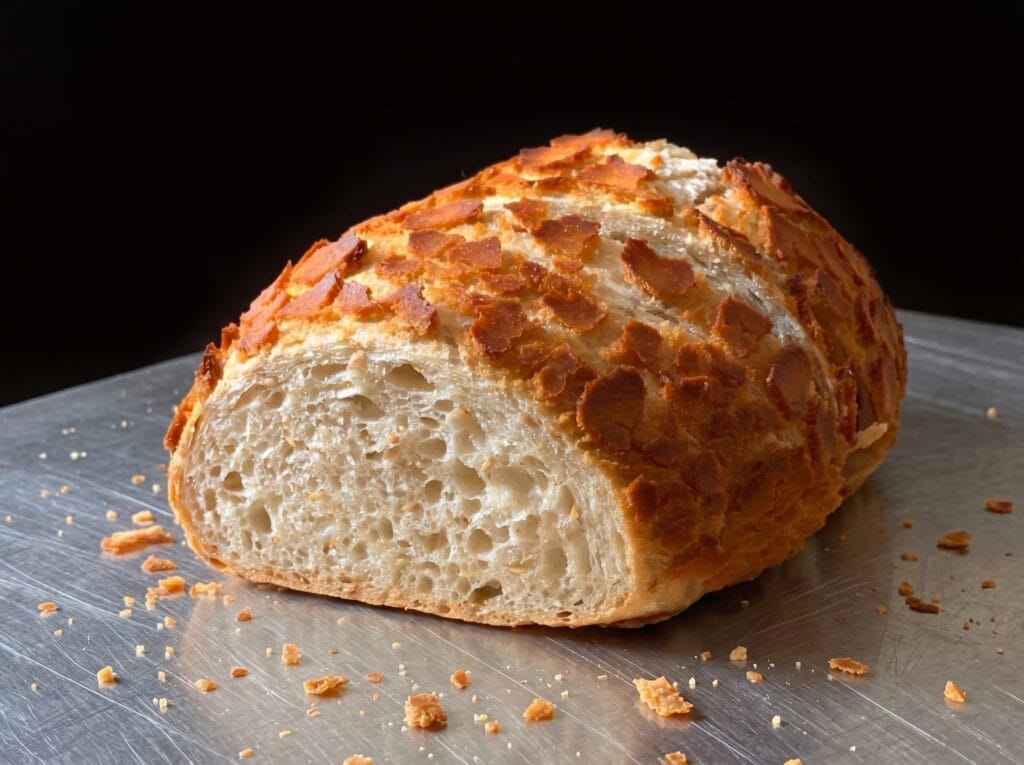
Tiger bread, also known commercially as Dutch crunch, features a rigid top surface with a cracked and mottled pattern. This exterior texture requires no mechanical scoring on the dough, but rather the application of a liquid paste over the raw surface prior to the baking stage.
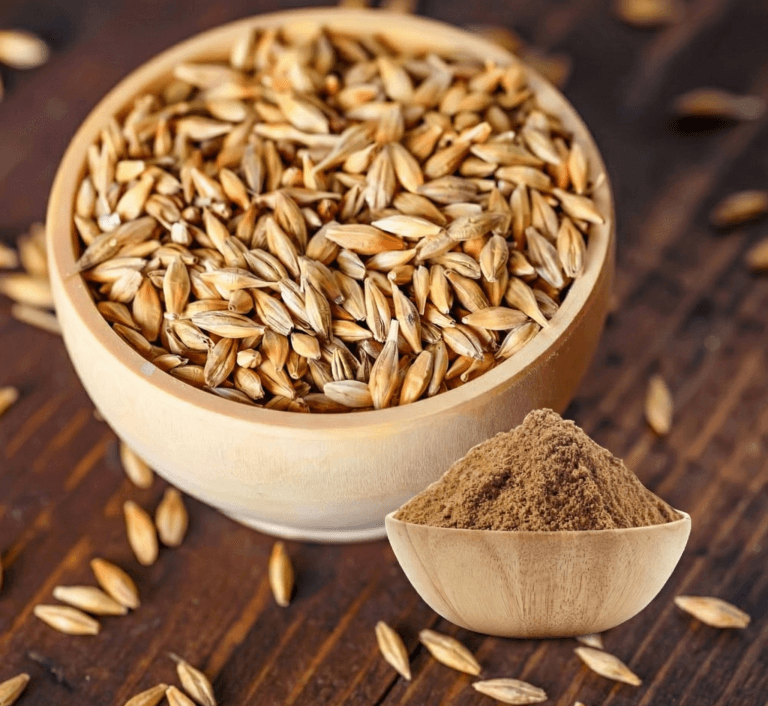
The traditional emulsion for this coating integrates specific ingredients to alter crust behavior:
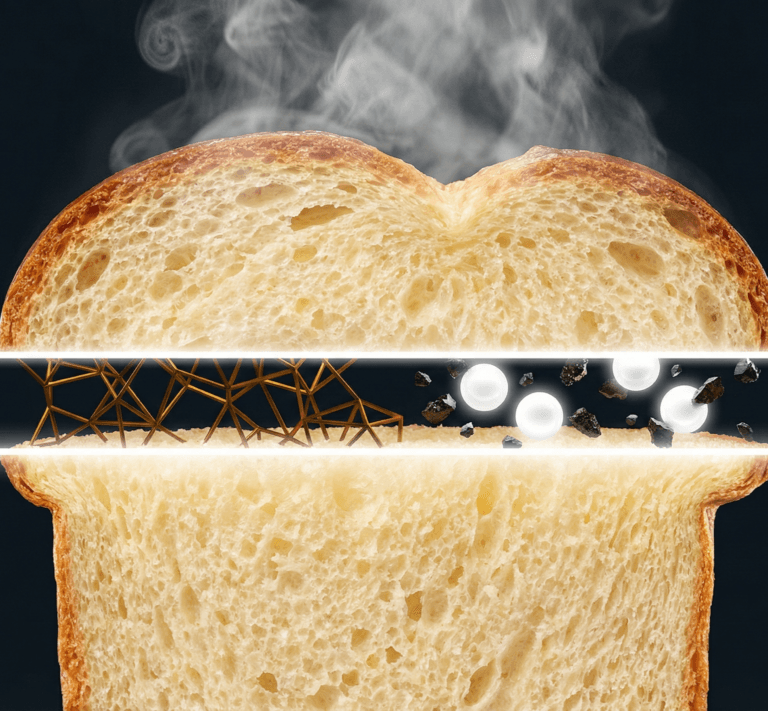
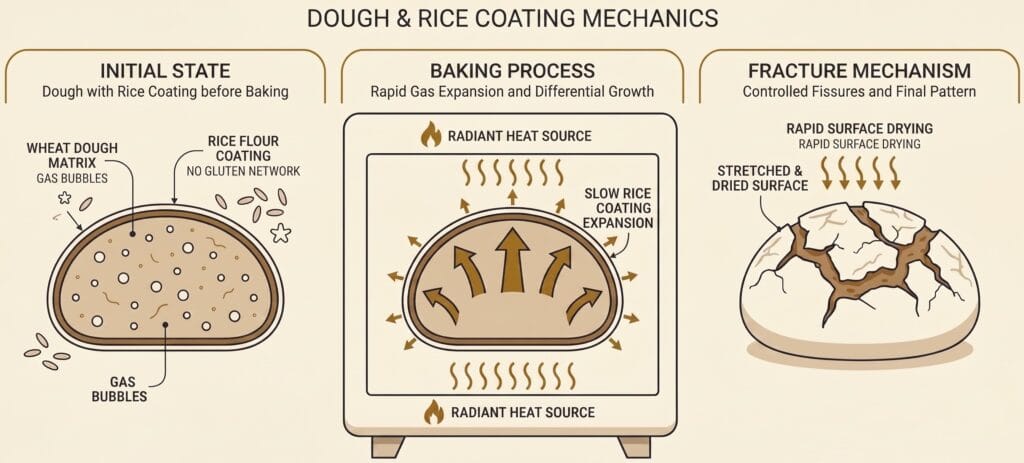
Rice flour completely lacks the elastic gluten network. During baking, the underlying wheat dough matrix rapidly increases its volume driven by internal gas expansion. The exterior rice coating fails to expand at the same rate. This growth differential causes the surface layer to stretch, dry rapidly from radiant heat, and ultimately fracture. These controlled fissures expose the underlying dough, creating the product’s characteristic visual pattern.
Liquid Emulsions and Their Hidden Line Costs
The liquid rice mixture presents high flow resistance within industrial piping. Its rheological behavior requires the installation of positive displacement pumps, which operate under constant high pressure to move the mass and maintain the necessary dosing volume.
These high-viscosity conditions generate direct friction on the production floor:
Line saturation requires frequent machinery stops to execute deep hydraulic cleaning cycles. This forced downtime usually results in a drastic decrease in the volumetric yield of the operational shift.
Dehydrated Microgranules: How Dry Application Works
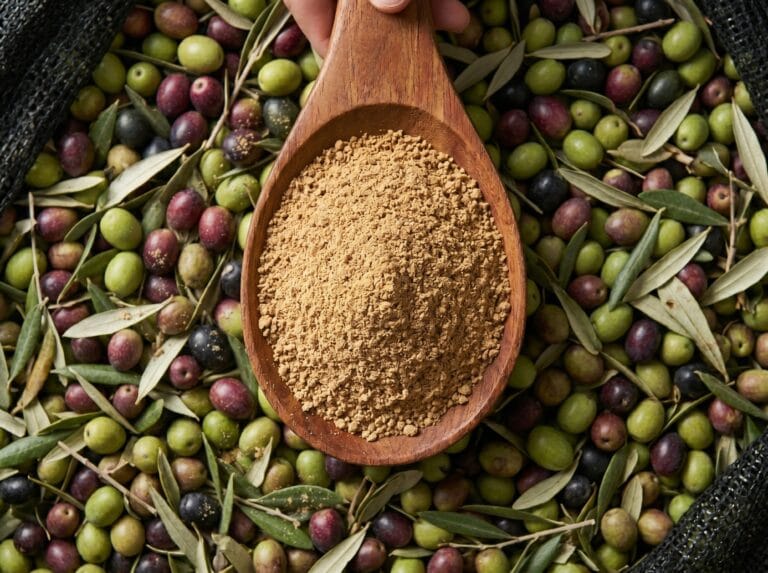
To mitigate these hydraulic limitations, CSM Ingredients recently launched the Tiger Granulat product. This innovation replaces the dense liquid emulsion with a completely dehydrated microgranule structure.
The powder format modifies the application dynamics on the automated line as follows:
The physical state of the coating ingredient determines the requirements of the production line. Liquid emulsions integrate into standard hydration sequences but require continuous high-pressure pumping. Conversely, dry microgranules eliminate pumping friction but require gravity or vibratory dosing systems. Evaluating these differences would allow facilities to align their coating processes with their specific infrastructure and flow capacity.
😊 Thanks for reading!
Sources:
- CSM Ingredients (Mar. 2026). CSM Ingredients Launches Tiger Granulat. https://www.csmingredients.com/
- https://www.kingarthurbaking.com/blog/2020/06/29/dutch-crunch-bread
- https://bakerpedia.com/processes/dutch-crunch/