
Clean-Label Maltogenic Amylase Keeps Gluten-Free Bread Soft for Longer
Gluten-free bread stales rapidly because its starch-heavy crumb recrystallizes fast, while clean-label preservatives often crush loaf volume. Maltogenic alpha-amylase may tackle both problems together, keeping slices soft over a two-week ambient shelf life, restoring lost expansion, and avoiding synthetic label declarations when dosed with restraint.
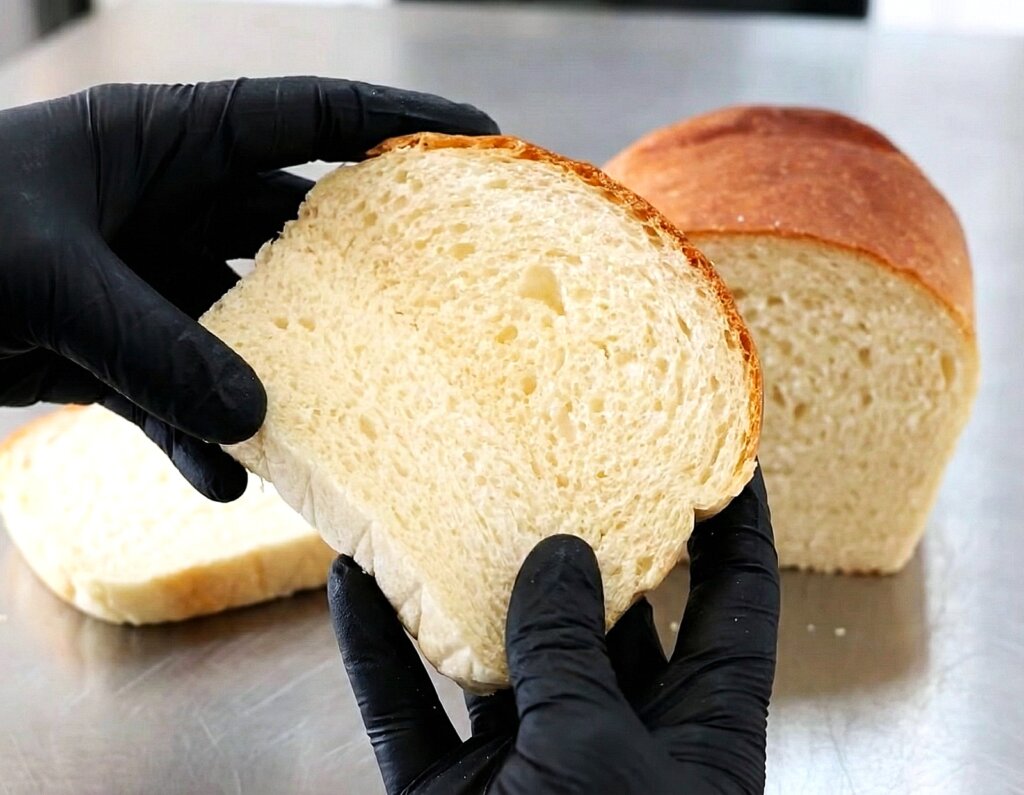
Anyone running an industrial gluten-free bread line knows how unforgiving shelf life can be. Without a viscoelastic gluten network to hold gas and slow water migration, starch becomes the main structural backbone of the crumb. Once the loaf leaves the oven and cools, branched amylopectin chains gradually re-align into rigid crystalline zones, turning slices dry, firm, and brittle well before a standard wheat loaf would lose appeal.
Trying to control mold with clean-label ingredients often introduces a second operational headache. Fermented preservatives rich in organic acids can prevent visible spoilage across a 14-day sealed ambient shelf life, yet their fermentation metabolites tend to weigh heavily on dough expansion. In recent baking trials built on deglutinated wheat starch (wheat starch processed to remove gluten proteins), psyllium fiber, and hydroxypropyl methylcellulose (HPMC, a plant-derived hydrocolloid that mimics gluten’s gas-trapping elasticity), incorporating a clean-label fermented-glucose preservative kept mold away throughout storage but cut specific loaf volume by nearly 40%.
Maltogenic alpha-amylase may offer a clean-label way out of that trade-off. Bakeries have long relied on alpha-amylases and lipases to delay staling in conventional wheat bread; applying maltogenic alpha-amylase inside a preserved gluten-free formula shows how enzymatic starch modification can recover texture and volume, provided the dosage stays tightly controlled.
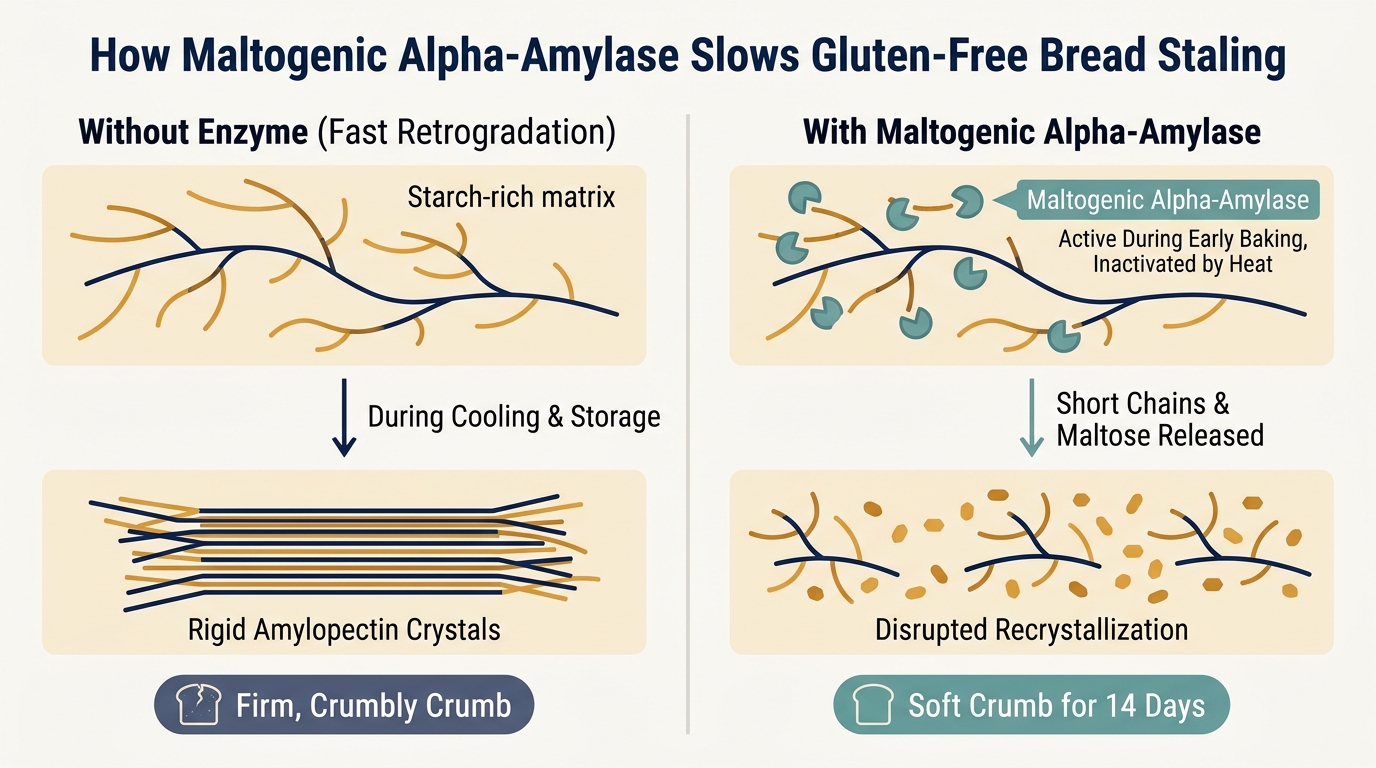
How Maltogenic Alpha-Amylase Reshapes Gluten-Free Staling
Bacterial maltogenic alpha-amylase acts within a narrow thermal window during baking, altering starch architecture before oven heat permanently shuts it down:
Recommended Reading:
Anti-Staling Enzymes at Work: Starch Retrogradation vs Enzyme Action
Enzymes as anti-staling agents can slow crumb firming caused by starch retrogradation, offering an effective alternative or complement to emulsifiers.
Bakery Industry InsiderWhat Matters Most on the Production Line
From a manufacturing standpoint, the most valuable lesson from these starch-based trials is that higher enzyme levels do not translate into better bread. Comparing a conservative commercial dose against double and triple concentrations alongside the clean-label preservative exposed a sharp operational ceiling.
At all tested levels, maltogenic alpha-amylase recovered most of the loaf expansion suppressed by the preservative and kept crumb firmness roughly half that of the preserved control by the end of storage. However, pushing dosage beyond the lowest tier triggered clear process penalties without delivering meaningful extra softness:
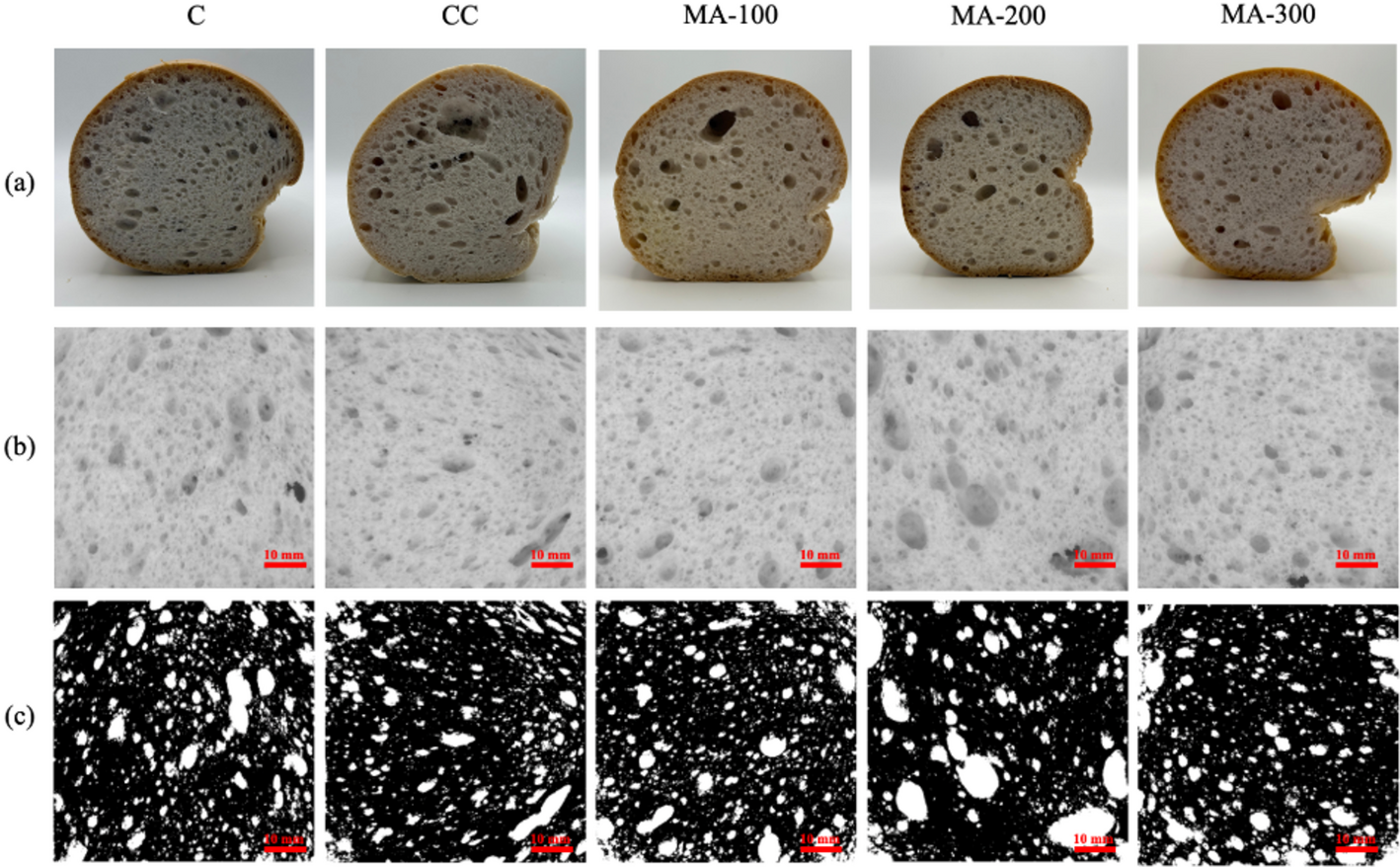
For industrial gluten-free bakeries dealing with short retail windows and high staling returns, pairing a clean-label mold inhibitor with a restrained dose of maltogenic alpha-amylase could protect crumb softness, loaf height, and oven yield at the same time. Because starch gelatinization and retrogradation behave differently across flours, R&D teams should still run dosage curves on rice, corn, or protein-enriched gluten-free lines before scaling up.
Recommended Reading:
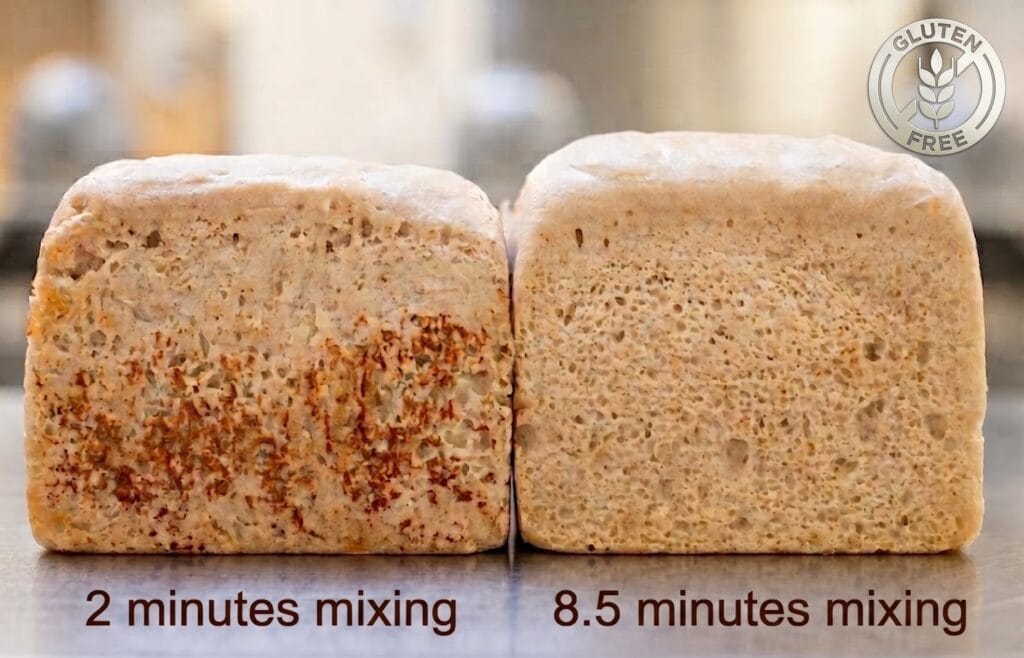
Why Mixing Duration Dictates the Volume of Gluten-Free Bread
Achieving optimal loaf volume in industrial gluten-free bread lines depends on precise air incorporation during mixing without a gluten network.
Bakery Industry Insider😊 Thanks for reading!
Sources:
- Quaggiotto, G., Canazza, E., Ebrahimi, P., Biasibetti, M., & Lante, A. (2026). Maltogenic amylase as a clean-label strategy to improve gluten-free bread quality and stability, with potential implications for bread waste reduction. Discover Food, 6, 471. https://doi.org/10.1007/s44187-026-01217-z
- Bakery Industry Insider. How anti-staling enzymes work in bread and cakes. https://bakeryinsider.com/anti-staling-enzymes-work/