Torn Dough and Collapsed Crumb: Why Multi-Stage Resting Defines Industrial Bread Success
High-speed automated lines subject dough to extreme mechanical stress, fracturing gluten networks and causing structural collapse. A coordinated three-stage proofing and resting system restores viscoelastic balance, converting tension into a plastic, cohesive matrix that secures gas retention and uniform crumb expansion.
The Impact of Automation on Dough Structure
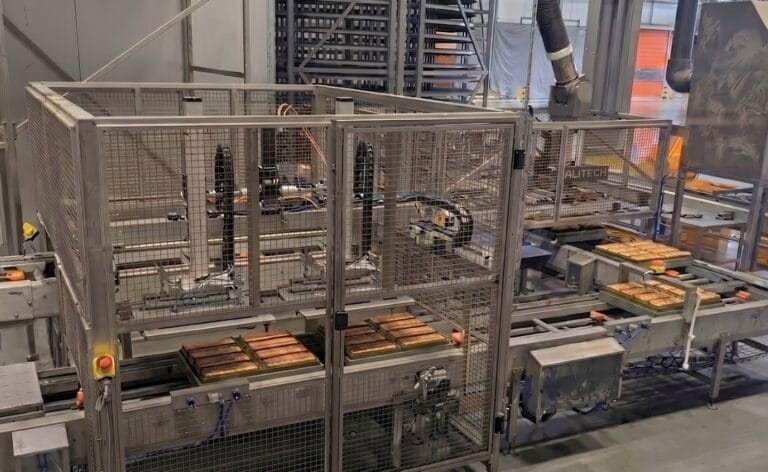
In high-throughput baking plants, dough behaves as a complex viscoelastic polymer processed at accelerated rates. Unlike artisanal baking, where resting times span several hours and handling is gentle, automated lines subject the dough to severe shear forces through piston dividers, high-pressure extruders, and conical rounders.
These operations apply harsh directional stresses that forcibly stretch and align protein chains. Processing the dough continuously without recovery phases may fracture the gluten network. This structural failure often creates microscopic tears in the protein matrix, allowing gas to escape, which could weaken the cell structure and yield flat, dense loaves with poor volume.
First Fermentation: Integrating Direct and Indirect Systems on the Line
The first fermentation, establishing the structural and viscoelastic baseline of the dough before division, is managed through two primary industrial methodologies depending on line design:
During this initial phase, yeast cells metabolize fermentable sugars, yielding carbon dioxide, ethanol, and organic acids. Accumulating lactic and acetic acids gradually lowers the pH of the dough.
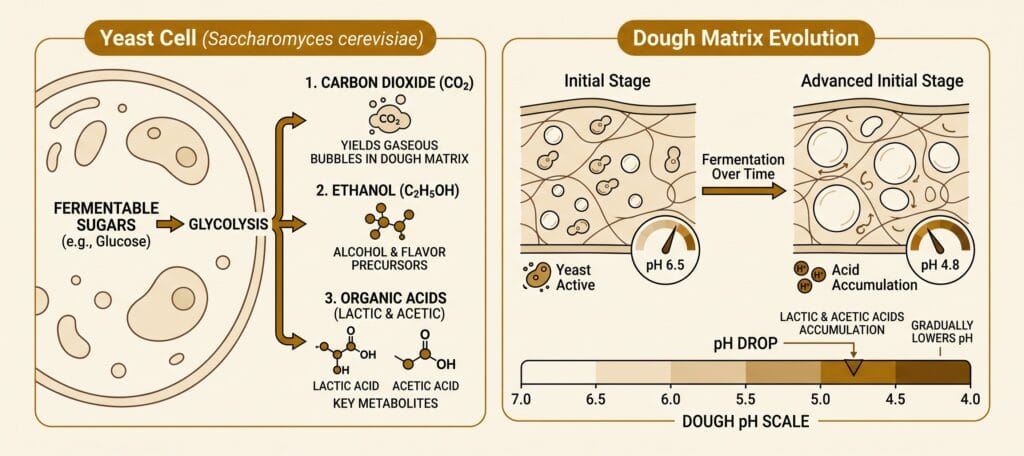
This pH drop alters the electrical charge of gluten proteins, specifically gliadins and glutenins, promoting faster hydration and facilitating the formation of strong intermolecular bonds. Generated carbon dioxide dissolves into the liquid phase and continuously migrates into microscopic gas bubbles created during mixing. This gradual gas accumulation stretches the protein strands in a slow, multidirectional manner, providing the elasticity required to withstand division and rounding without tearing.
The Intermediate Fermentation: Relieving Mechanical Stress to Prevent Fractures
Immediately after passing through dividers and rounders, the dough enters a state of high internal tension. Mechanical shear aligns the gluten fibers, raising tenacity and severely reducing extensibility.
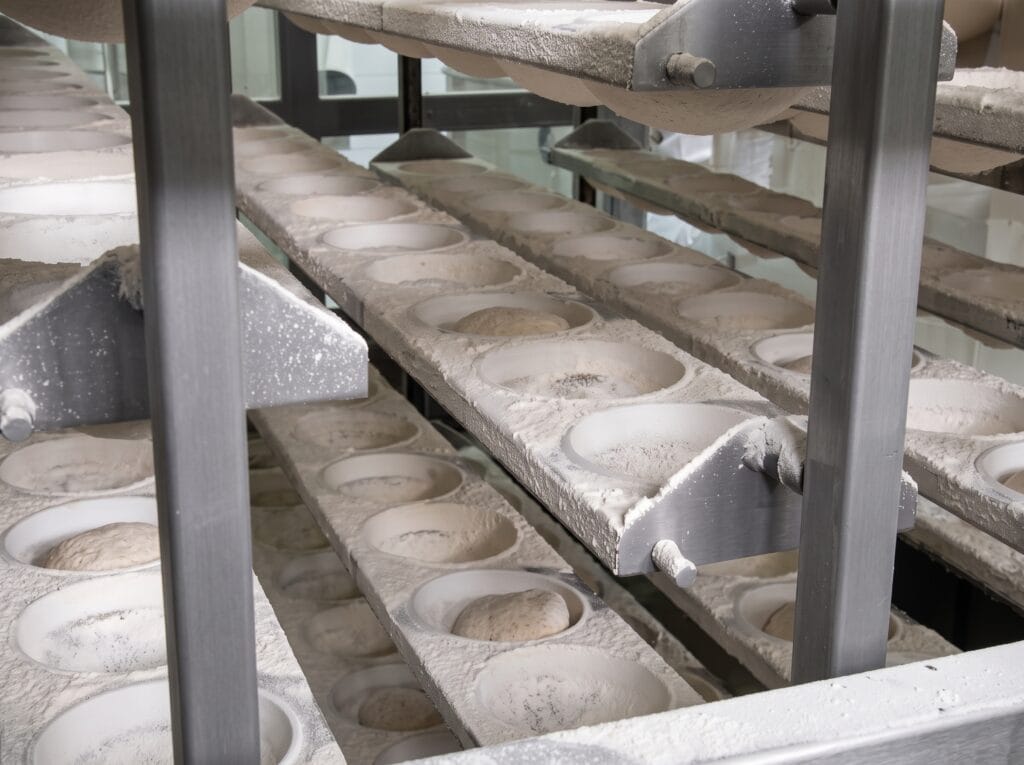
Subjecting dough portions to sheeting and moulding immediately after rounding causes the elastic memory of the gluten to resist the rollers. The dough may snap back, lose its target dimensions, or undergo microscopic surface tearing that destroys gas-holding capacity.
The intermediate proof, transport in overhead pocket proovers for five to ten minutes, offers a vital resting phase. During this brief window, several physical changes occur:
Final Proofing: Structural Stability and Volume Expansion
Once moulded into its final shape, the dough enters the final proofer under highly controlled temperature and humidity. The chamber remains stable between 32 and 38°C, with a relative humidity of 75 to 85 %.
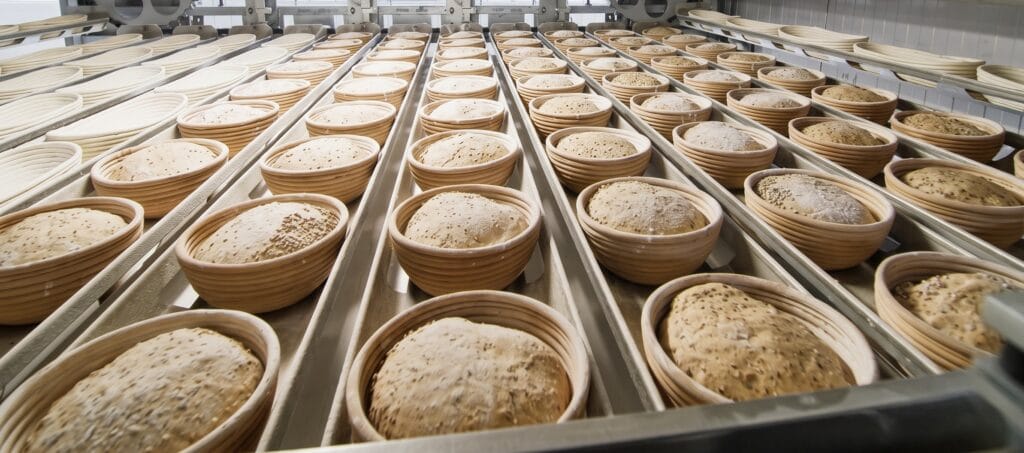
If the ambient relative humidity drops below this threshold, moisture from the dough surface evaporates rapidly, which often forms a dry, rigid skin. This crusting restricts uniform expansion during oven spring, causing irregular cracking and tearing.
In this warm, humid environment, yeast metabolic activity accelerates to inflate pre-existing gas cells. The dough cell walls must stretch sufficiently to maximize bread volume, yet retain the necessary strength to withstand automated scoring without collapsing.
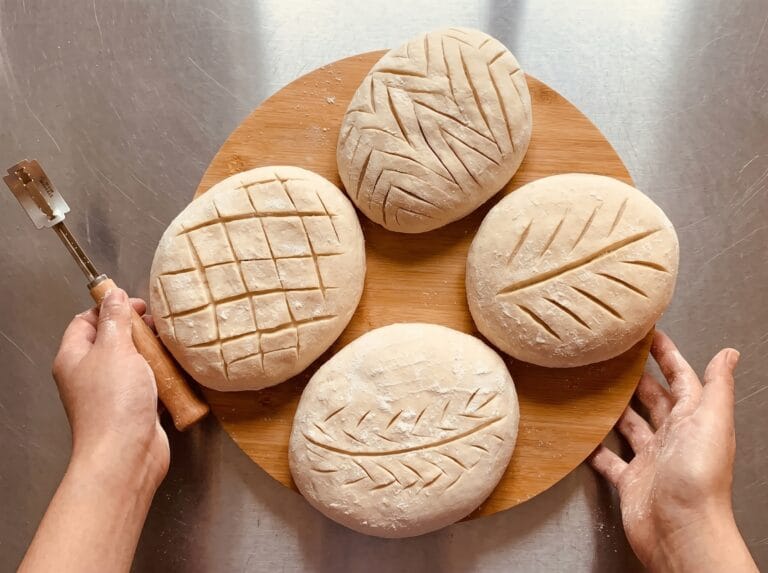
Precise control of this stage ensures the dough maintains stable internal gas pressure and structural integrity, preventing deflation when sliced by automated scoring blades prior to entering the tunnel oven.
Operational Optimization and Commercial Viability
Allowing the dough to recover its physical equilibrium dramatically reduces line blockages and mechanical failures, minimizing costly downtime.
Securing efficient gas retention ensures uniform loaf volumes and consistent slice dimensions, which facilitates automated slicing and guarantees clean depanning without damage. Aligning mechanical operations with the physical requirements of the dough maximizes overall equipment effectiveness, reduces raw material waste, and increases operating margins.
😊 Thanks for reading!
Sources:
- Cauvain, S. P. (2015). Baking Problems Solved (2nd ed.). Woodhead Publishing.
- Cauvain, S. P., & Young, L. S. (2007). Technology of Breadmaking (2nd ed.). Springer Nature.
- Edwards, W. P. (2015). The Science of Bakery Products. Royal Society of Chemistry.