Filling Leaks and Crumb Collapse: Diagnosing and Solving in Butter Rolls
Premature fermentation and fat melting during the mixing stage can cause filling leaks and structural collapses. These defects generate frequent stops and considerable economic losses. Implementing thermal control with ice and precise liquid filling formulation could addresses this specific challenge.
The Purpose of Double Fermentation
The production of butter rolls requires structured resting times to ensure dough machinability. Dividing the fermentation into two stages of 40 to 60 minutes each facilitates the mechanical handling of the product in the different phases of the line.
Thermal Control During Mixing
The sustained friction of the metal mixing arms transfers energy directly to the dough. If the internal temperature exceeds regular operational parameters, the yeast activates at an accelerated rate. This generates an excessively sticky dough that often causes continuous jams in the dividers and molders.
To counteract this heating, incorporating ice cubes directly into the hopper is a standardized practice.
Considerations for the Liquid Filling
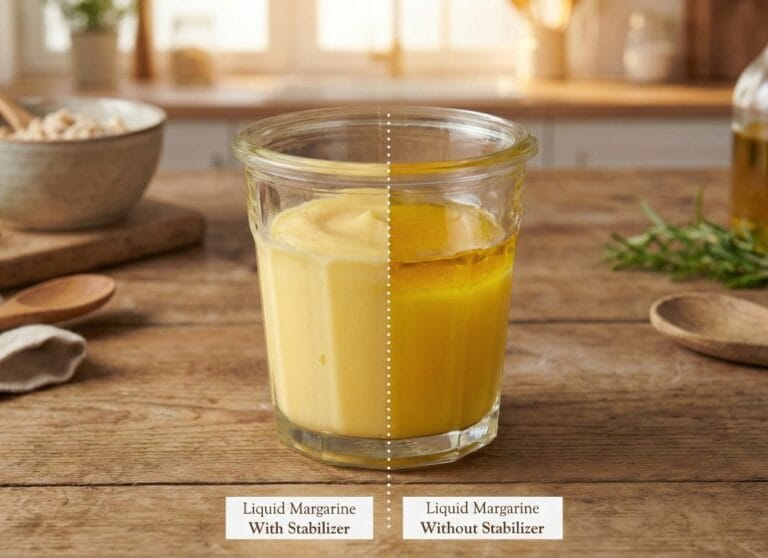
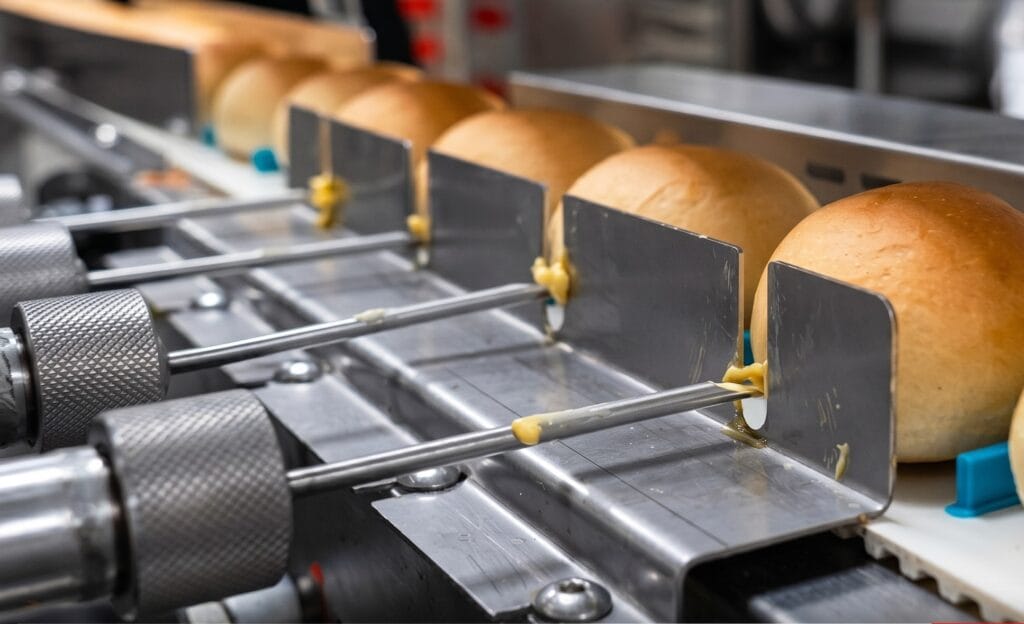
The fluid center of the bread requires a specific mixture of different dairy fats and liquid fructose. The exact combination of these ingredients ensures the core maintains its ideal viscosity during post-baking injection and maintains its structure at the time of consumption.
Keeping all these parameters under strict control determines the success of the production line.
😊 Thanks for reading!
Sources:
Fermentation
https://www.howecorp.com/blog/flake-ice-for-food-processing-industry-commercial-bakery-applications
Fillings
https://www.worldbakers.com/fillings-aked-goods-getting-creative/
https://www.bakersauthority.com/blogs/the-beginners-guide-to-baking-1/fructose-vs-glucose-how-sugar-choices-change-commercial-baking
For further reading on key industry advancements, see our featured guides: The Absorption Fallacy: Practical Limits of Hydration, Photonic Tech for Predictive Bakery Quality, and High-Speed Pizza: Mechanical Rounding and Hot Pressing.