Overcoming Technical Challenges in Frozen Doughs Packaging
Frozen dough production often presents complex structural challenges; poor logistics could ruin hours of technical precision. Optimizing everything from dough rheology in the mixing stage to the packaging line might be key to protecting the profitability of the final product.
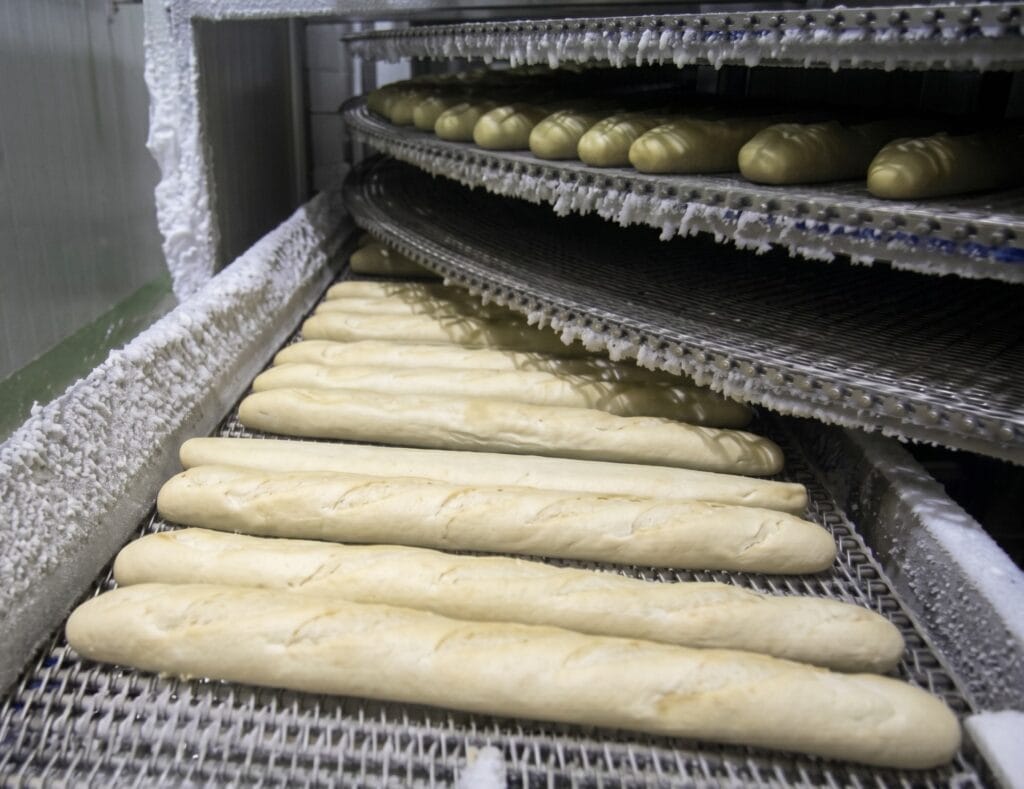
The production of frozen dough products should not be considered a simple thermal pause; rather, it could be defined as a technical process that might profoundly alter the structure of the food. To achieve quality, controlling dough rheology is usually the first critical step. A strong and elastic gluten network could better withstand the mechanical stress of freezing and the subsequent expansion during baking.
Furthermore, yeast activity and post-freezing enzymatic behavior would require meticulous attention. Yeast cells could suffer severe damage due to extreme temperature changes; therefore, selecting cryotolerant strains or adjusting enzymatic doses might ensure a vigorous fermentation at the time of baking.
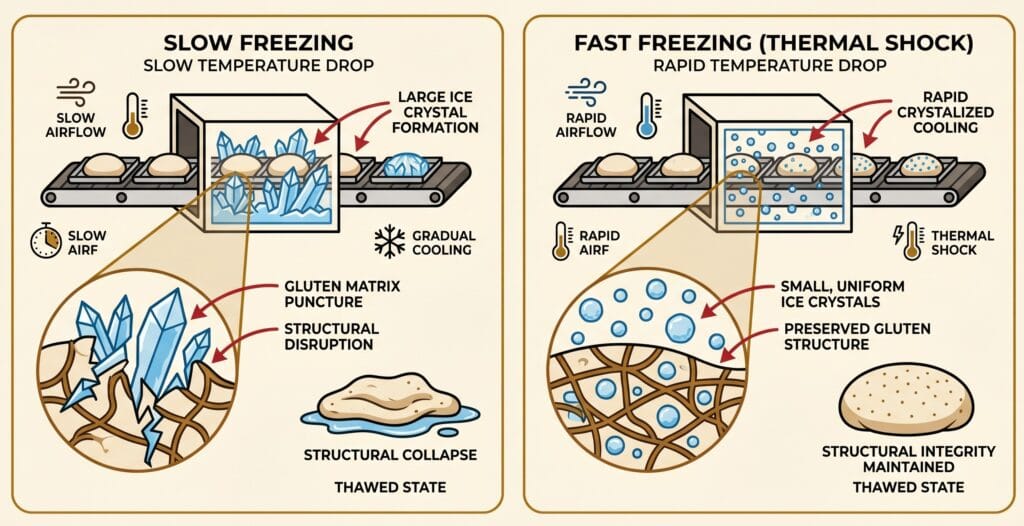
The hydration percentage of the dough could also dictate the thermal behavior of the product. The same dynamics would not be observed in a low-hydration dough, close to 50%, as in a highly hydrated dough at 100%. Wetter doughs might develop large ice crystals if the temperature drop is slow; a phenomenon that could perhaps puncture the gluten matrix and cause a structural collapse upon thawing. Therefore, the speed of the thermal shock is usually a factor that should not be neglected; using mechanical blast freezers or cryogenic systems with liquid nitrogen might be the ideal alternative to accelerate this process and minimize structural damage.
The Vulnerability of the Final Link
All the care invested in the biochemistry of the dough could be wasted if the final link fails. The packaging stage is usually the most vulnerable point in the production line.
If the piece of frozen raw dough stops waiting to be packaged, the product might begin to gain temperature and generate surface condensation; consequently, the surface of the dough could perhaps suffer structural damage or even develop microbiological risks.
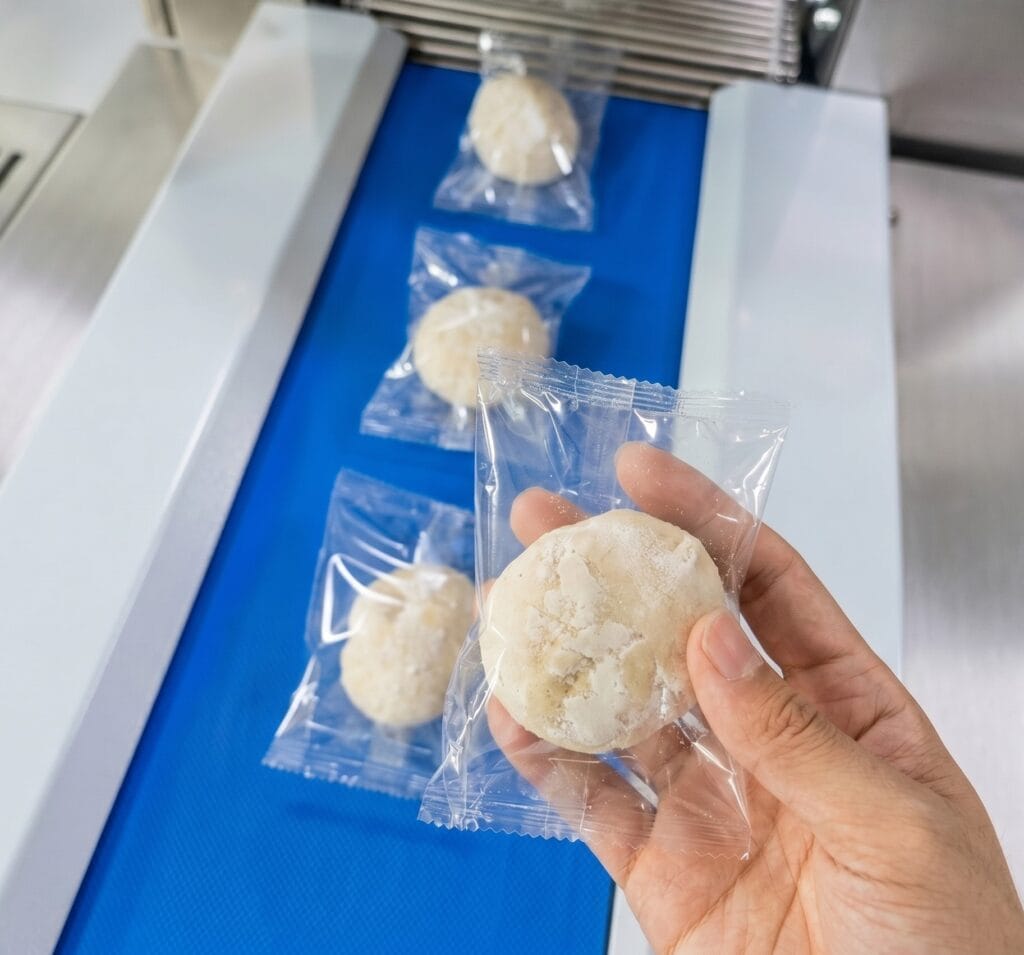
A bottleneck in this area could mean throwing away all the previous effort. Therefore, packaging efficiency should be guaranteed under controlled temperature conditions and with the greatest possible fluidity.
Automated Solutions for Continuous Flow
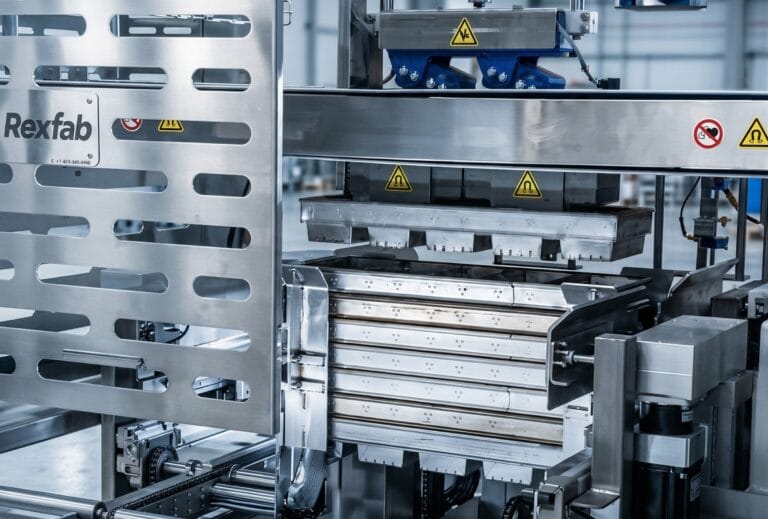
To mitigate these risks, automating the counting and packaging is usually the most recommended strategy. In the market, various technologies could offer these high-speed solutions to avoid unwanted stops:
Not neglecting this stage of the process could not only safeguard the integrity of the product; it would also help ensure that it reaches the customer with the exact quality that the master baker designed.
😊 Thanks for reading!
Sources:
- https://www.affeldt.com/en/maschine/schlauchbeutelmaschine-avn-e350-scd/
- https://www.ulmapackaging.com/en/packaging-solutions/bakery-biscuits-and-confectionery
- https://www.ishidaeurope.com/en/sectors/food-applications/biscuits-bakery
- https://bakerpedia.com/processes/frozen-dough/
- https://en.angelyeast.com/blog/yeast-baking/what-is-frozen-dough.html
- https://www.researchgate.net/publication/221865493_Water_Dynamics_in_Fresh_and_Frozen_Yeasted_Dough