The End of Greenwashing: Proven Upcycled Bakery Ingredients
Bakers often struggle with upcycled materials compromising dough structure. Adding a sustainability label does not fix torn gluten networks or poor crumb texture. The fix could lie in mathematical functionality, where precisely engineered upcycled fractions enhance dough rheology rather than merely satisfying marketing claims.
The baking industry faces immense pressure to adopt sustainable practices. However, simply adding agricultural byproducts to a dough matrix might easily fall into the realm of greenwashing if the ingredients lack technical purpose. True innovation requires mathematical functionality. Every addition should contribute predictably to the hydration, structure, and crumb of the final product.
When raw fibers are introduced into a recipe, they can behave erratically. They might absorb disproportionate amounts of water or physically sever the delicate gluten network. To combat this, modern ingredient processors are moving beyond basic milling and are isolating specific plant fractions to serve exact mathematical roles in bakery formulations.
Upcycling Olive Pomace into Functional Flour
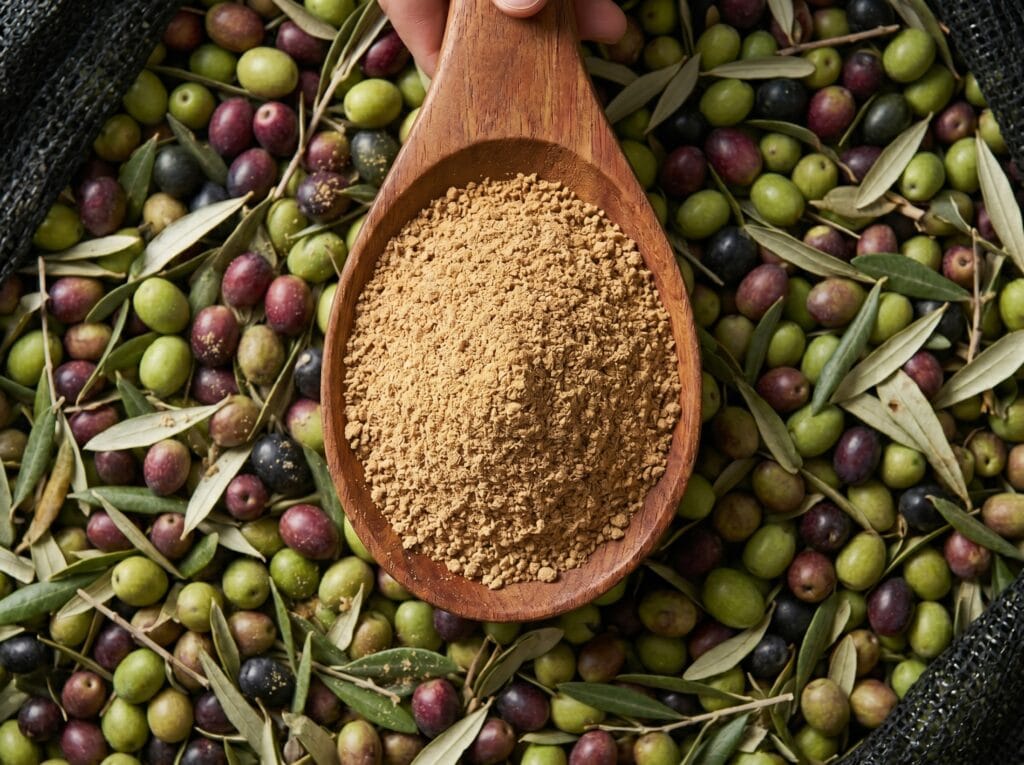
PhenOlives offers a compelling example of this functional approach. Historically, olive oil extraction leaves behind a massive amount of pomace, which typically oxidizes and becomes waste. By utilizing a patented process free of chemicals, PhenOlives halts this oxidation and transforms the pomace into a functional olive flour.
This transformation could provide significant technical advantages for bakers:
Harnessing Spent Grain for Structural Integrity
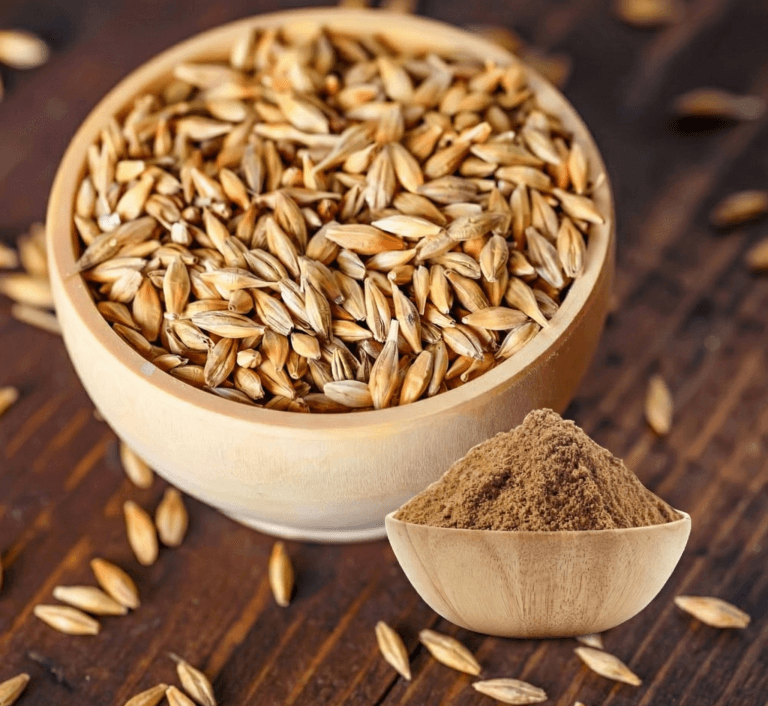
Similarly, UpGrain is redefining how bakers utilize spent grain from breweries. Rather than introducing raw, disruptive grain waste into a mixer, UpGrain separates the barley into distinct protein and fiber fractions.
This precise fractionation may offer advanced structural benefits:
😊 Thanks for reading!
Sources:
https://bakingbiscuit.com/phenolives-launches-olive-flour-production-line/ https://innovationsfood.com/wp-content/uploads/2024/04/PHENOLIVES.pdf
https://www.kreglinger.com/from-beer-to-barley-power-how-upgrain-turns-brewers-spent-grain-into-a-nutritious-ingredient/
https://sustainable-ingredients.com/wp-content/uploads/2024/01/upgrain_productcatalogue_en.pdf