Argentine Criollito at Industrial Scale: Diagnosing Layer Collapse and Optimizing Lamination Equipment
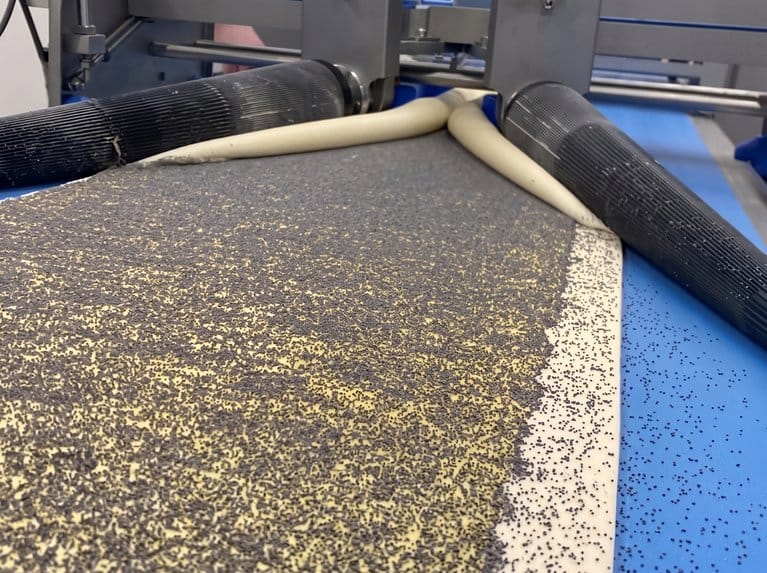
The Argentine criollito exige preserving a dense bovine fat lamination within a low-hydration dough. Industrializing this regional specialty requires continuous calibrated reduction and clean cutting to prevent fat layer fusion, ensuring its signature vertical rise and crisp texture without manual labor.
The Firm, High-Density Structure of the Cordoban Criollito
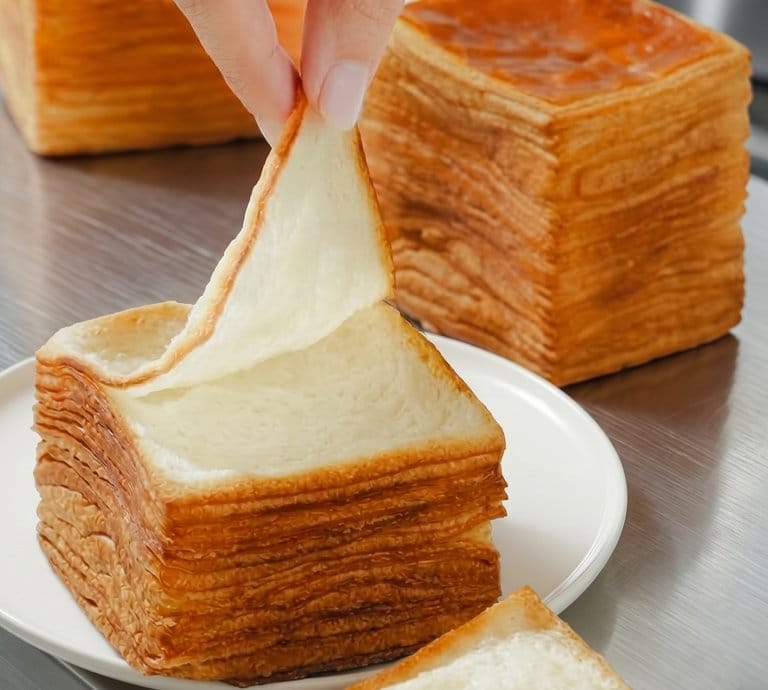
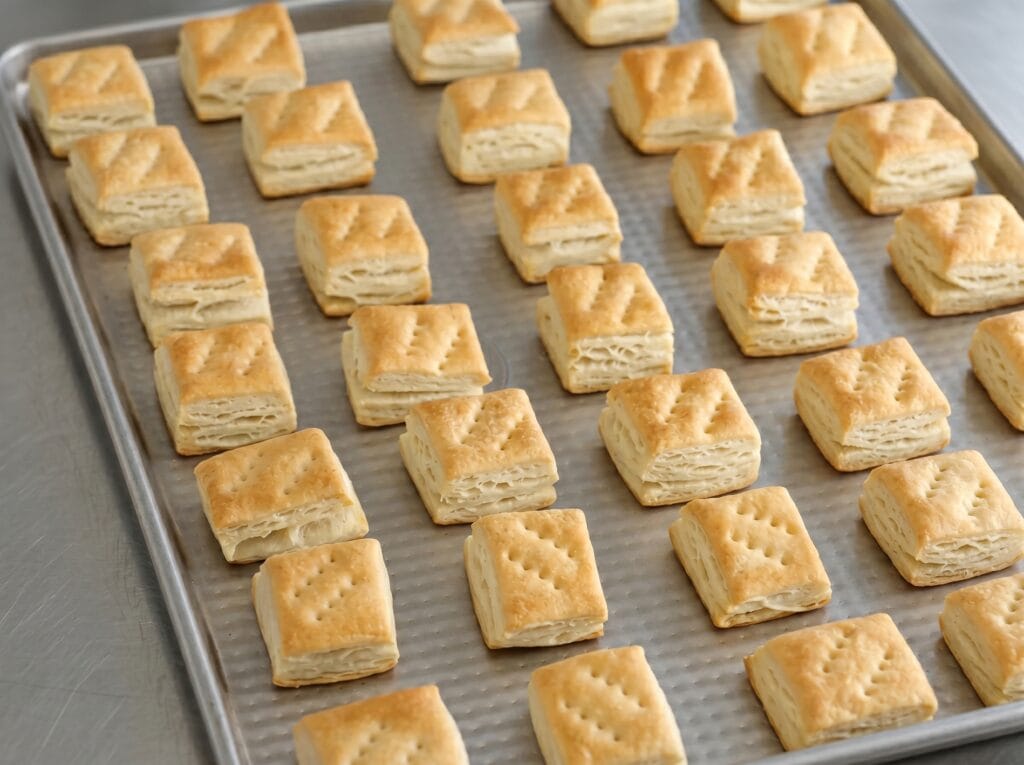
The Cordoban criollito is a savory laminated specialty characterized by a firm crumb, high layer density, and an extremely crisp texture. Unlike European pastry doughs, the traditional formula uses wheat flour, reduced water proportions to maintain a firm consistency, yeast, and a high percentage of bovine or porcine animal fat, which usually ranges between 20% and 30% relative to flour weight.
This formulation generates specific characteristics that determine its behavior on the production line:
The interaction between the structured gluten and the continuous sheets of solid animal fat defines final product quality. During baking, the water within the dough evaporates and exerts vertical pressure that separates the layers, while the melting fat waterproofs adjacent dough sheets, preventing them from sticking together and allowing the formation of the characteristic flakes or leaves.
Thermal and Mechanical Collapse in Industrial Lamination
When attempting to process this regional formulation on high-speed conventional industrial lines, severe structural defects could alter the morphology and texture of the piece. The main technical issue lies in the application of excessive pressure during dough thickness reduction.
Inadequate reduction rollers may cause the following production failures:
Recommended Reading:
Continuous Calibrated Sheeting and Stress-Free Processing Systems
Successful automation of this specialty is achieved through continuous lamination technologies that eliminate damaging tensile forces. Stabilizing the dough band relies on the following principles and market-available technologies:
Once the dough band reaches the required thickness, cutting and forming determine the symmetry of the piece. Utilizing servo-assisted guillotines synchronized with the band advance allows for sharp, clean cuts. By avoiding lateral dragging of the layers, the dough edges remain open and permeable to steam during baking, ensuring a uniform vertical expansion without aesthetic deviations.
😊 Thanks for reading!
Sources:
- https://www.fritsch-group.com/int/en/your-product/MULTIFLEX-L
- https://www.rondo-online.com/int/en/machines-and-solutions/dough-block-and-feeding-lines/mlc-40-laminating-line
- https://rademaker.com/bakery-equipment/rademaker/sheeting-laminating/
- https://calsa.com.ar/post/887
To deepen your understanding of these market trends, you may also find our articles on Sourdough Starter Maturation: A Day-by-Day Protocol for Industrial Fermentation Consistency, French Bread: More Than a Commodity, the Heart of Your Bakery, and The Inflection Point Dilemma: Is It Better to Use Premixes or In-House Formulation? highly valuable.