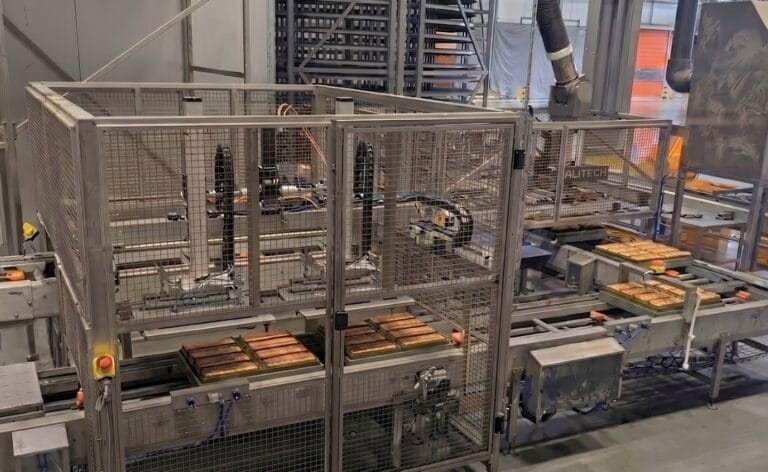
French Bread: More Than a Commodity, the Heart of Your Bakery
Industrial French bread production relies on controlling structural dough properties and thermodynamic conditions during baking. Inadequate process control destabilizes gluten networks and moisture migration, leading to flat loaves and leathery crusts. Implementing precise thermal management and controlled humidification ensures consistent volume, ideal crispiness, and maximum processing efficiency.
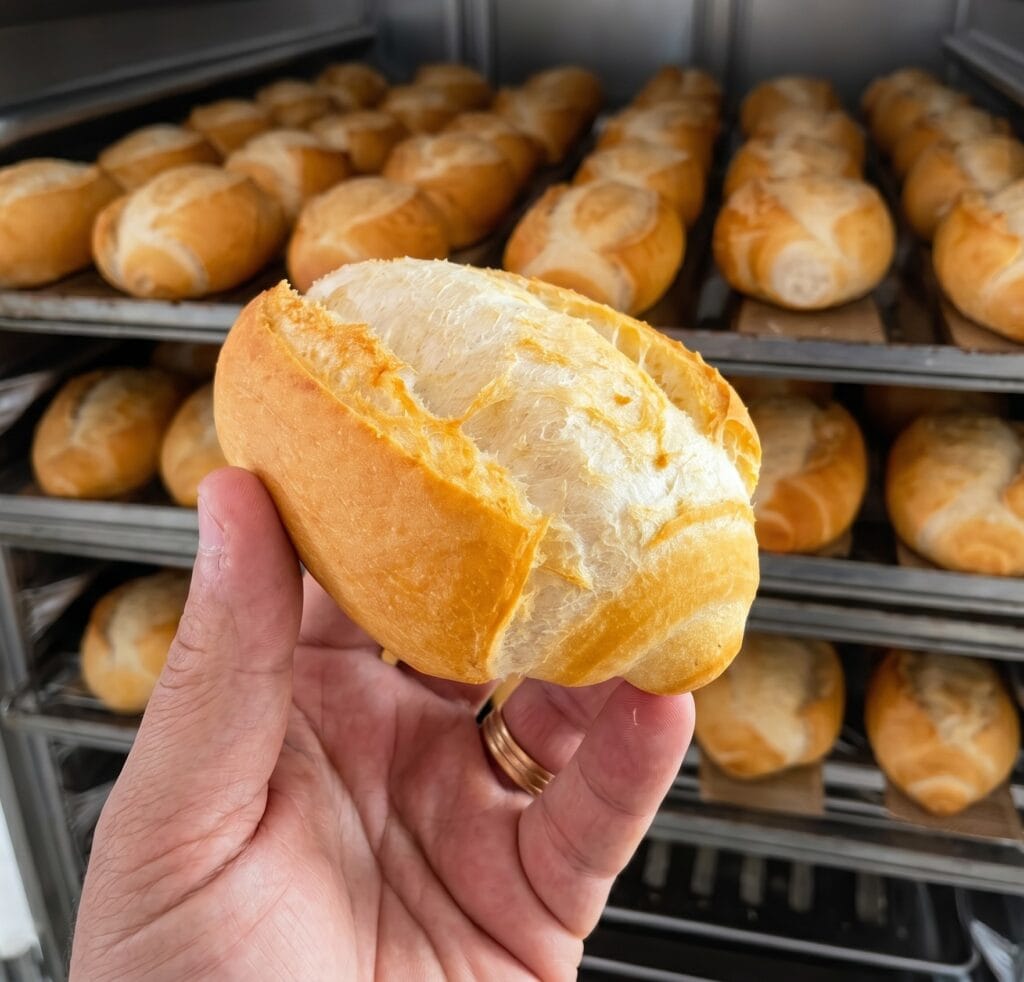
French bread is, without a doubt, one of the main food items consumed nationwide today. Therefore, we must analyze it from a more clinical perspective: although in many places it is simply considered a “commodity,” the reality is that it can be responsible for 70% of customer attraction in your establishment.
Considering that French bread makes your customer visit your business at least once or twice a day, this product becomes the perfect hook, dramatically expanding the possibility of selling other items from your catalog.
As a bread produced daily, even in the frozen segment, it has a unique durability factor where its shelf life is correlated exclusively with the production process. When this process and the respect for each of its stages are not properly managed, we will be doomed to failure with a very poor quality bread, which becomes visible from the very first minutes it comes out of the oven.
The 3 Pillars of French Bread Quality
The characteristics essential to this product are built upon three fundamental pillars:
From Field to Oven: The Production Process
To obtain these optimal characteristics, we must dedicate ourselves with rigor from the choice of flour to the baker’s delicacy when making the final cut.
If we opt for low-quality raw materials, we will not achieve the ideal point of the dough to sufficiently contain the gases, keep the core intact, and give us a great look when the ears open. However, the process also requires special attention: it is useless to have the best flour available if we fail in our technique. These are interconnected factors that, when executed well, converge into a delicious French bread.
As we better understand the production process, we must always follow these dynamics:
In the mixing (kneading) process, friction generates heat, which activates early fermentation. This leads to an excessive production of alcohol and gases that interfere with the development of the gluten network, preventing us from achieving the ideal elasticity or extensibility of the dough. In this case, we also get an acidic residual effect on the core of the final product. To avoid these results, we must always mix the dough with a considerable amount of very cold water; in some regions or internal production situations, using ice is also recommended.
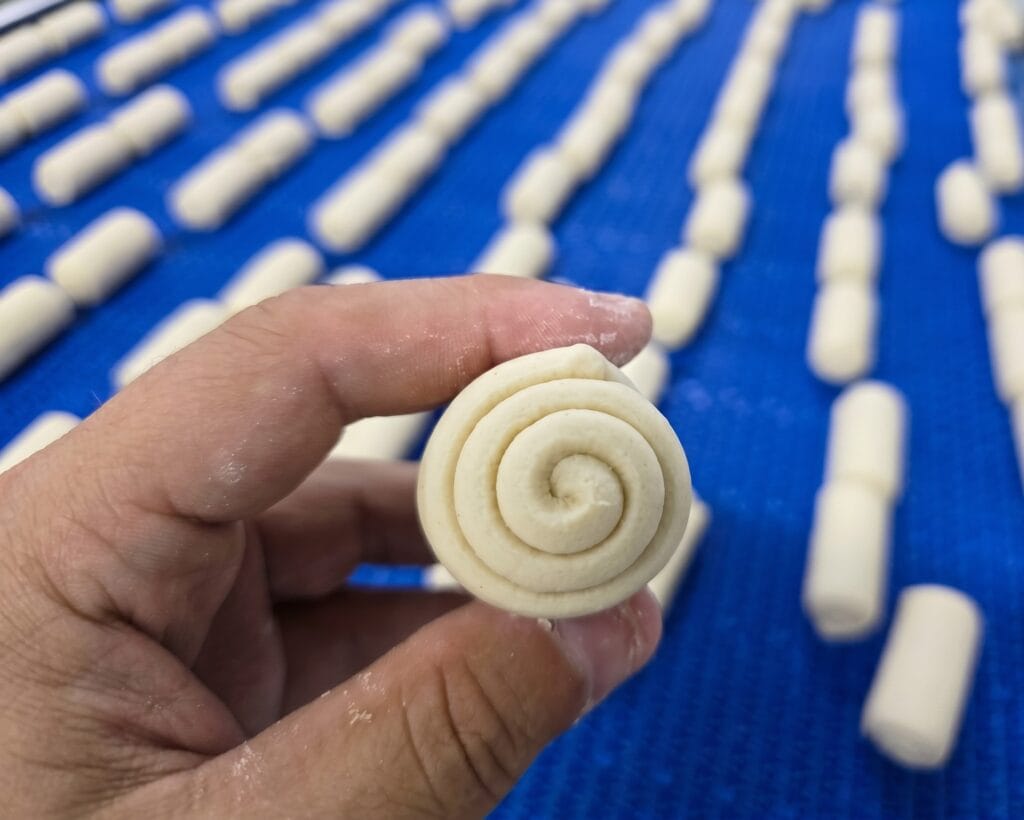
After this process, we begin the shaping stage, which is directly linked to the structure of the French bread. It must have a uniform shape with a certain amount of pressure so that the dough does not spread out to the sides. If this happens, there won’t be a desirable oven spring.
It is recommended to give it at least 4 folds (the number of times the dough rolls over itself) before placing it on the baking trays.
We are not used to long fermentations; in my opinion, this is a mistake for French bread. We could perfectly extend the fermentation process between 12 and 18 hours without losing quality, simply by balancing the temperature and the amount of yeast in the dough. At this stage, we must always remember that the ideal conditions for yeast to work are close to 26ºC (79ºF). Therefore, any temperature above or below this compromises the quality of the bread.
As a final step, we have the baking process. Here, we must follow a few details to the letter so that all our previous work is not lost. The first, and I believe the most important, is to maintain high humidity inside the oven chamber during the first 4 minutes of baking, because it is during this stage that we get the long-awaited oven spring and the opening of the ear.
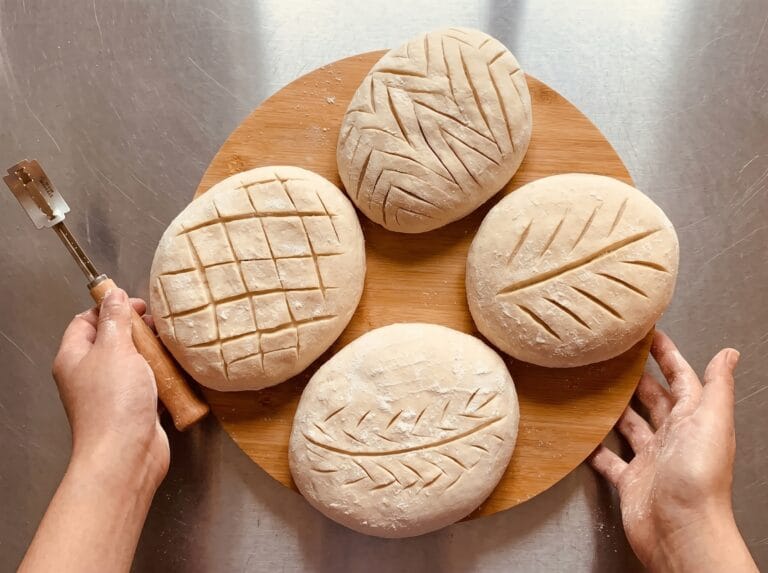
Another critical factor is the appearance of the raw dough. If it is dry, high humidity in the baking chamber won’t be enough. It is necessary to spray water on the loaves right before scoring them, as this helps open the ears.
Once this entire process is well aligned, as soon as the bread comes out of the oven, it needs a ventilated environment to maintain the desired characteristics. Leaving it in enclosed spaces is not recommended, as it causes early softening of the crust, leaving the final product with a rubbery texture.
Considering everything we have discussed in this article, our FRUTO FRACÊS requires special care, but I can assure you that by properly respecting the entire process, it will always be the favorite among all your breads.
Have a great bake, everyone!

For further reading on key industry advancements, see our featured guides: Top 10 Structural Failures in Croissant Lines, How Modular Forming Platforms Reduce Changeover Time in Multi-Product Bakeries, and Sourdough Starter Maturation: A Day-by-Day Protocol for Industrial Fermentation Consistency.