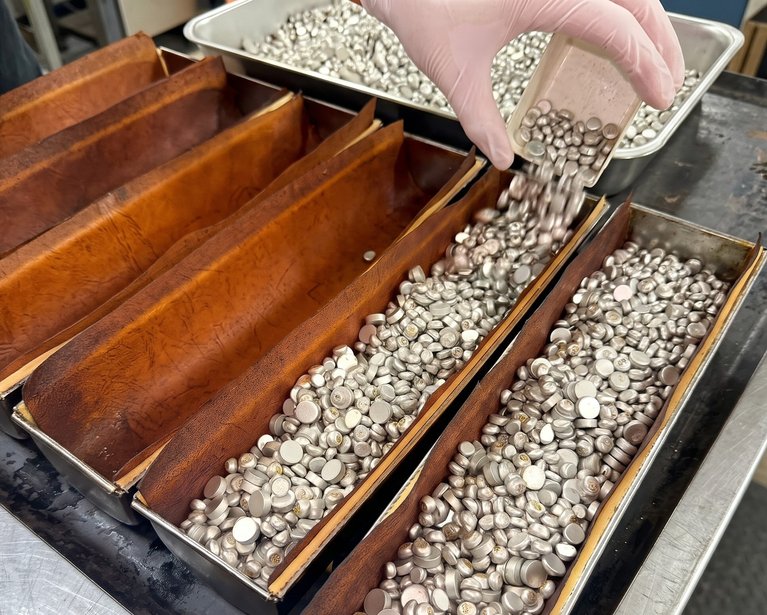
High Protein Bread Without the Dense Loaf Problem
Loading bread with protein tends to starve gluten of water, leaving loaves dense, stiff, and quick to stale. A new Korean patent proposes converting that protein into a soft, water holding gel before it meets the flour, so volume and softness might survive heavy fortification.
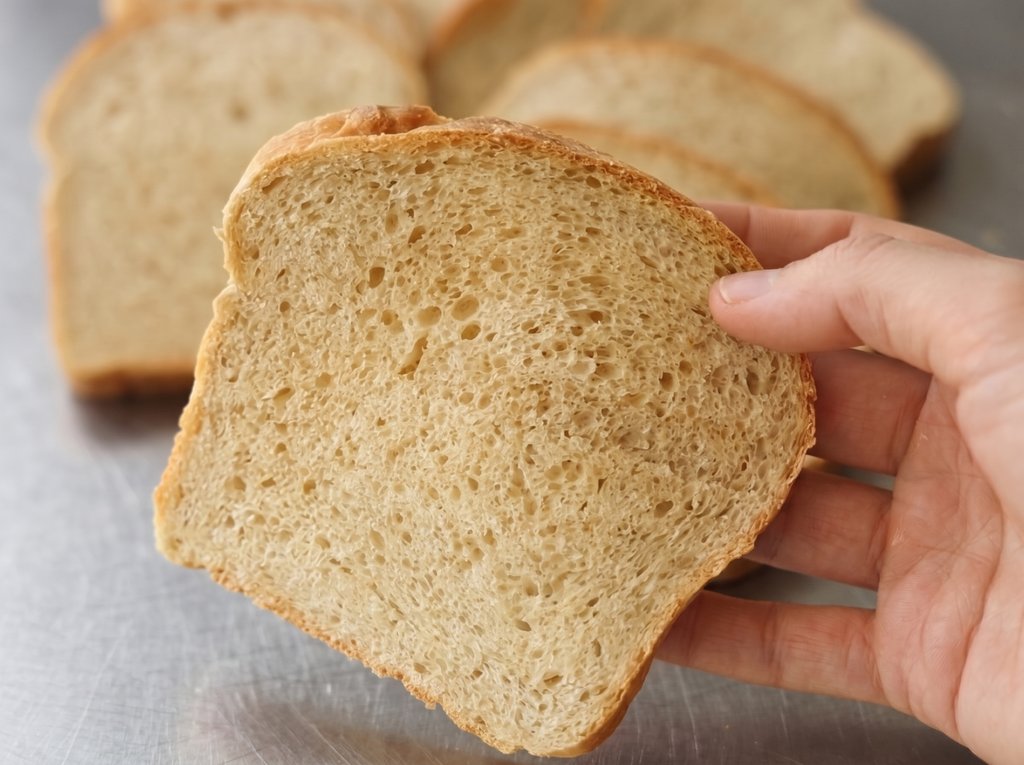
Why Extra Protein Fights the Dough
Demand for breads with more protein and fewer carbohydrates keeps growing. The usual route is to replace part of the flour with soy, whey, egg, or legume proteins.
The problem shows up fast. Added protein powders compete with gluten for water, and gluten that cannot hydrate properly cannot build a continuous network. Less network means less gas retention.
The result:
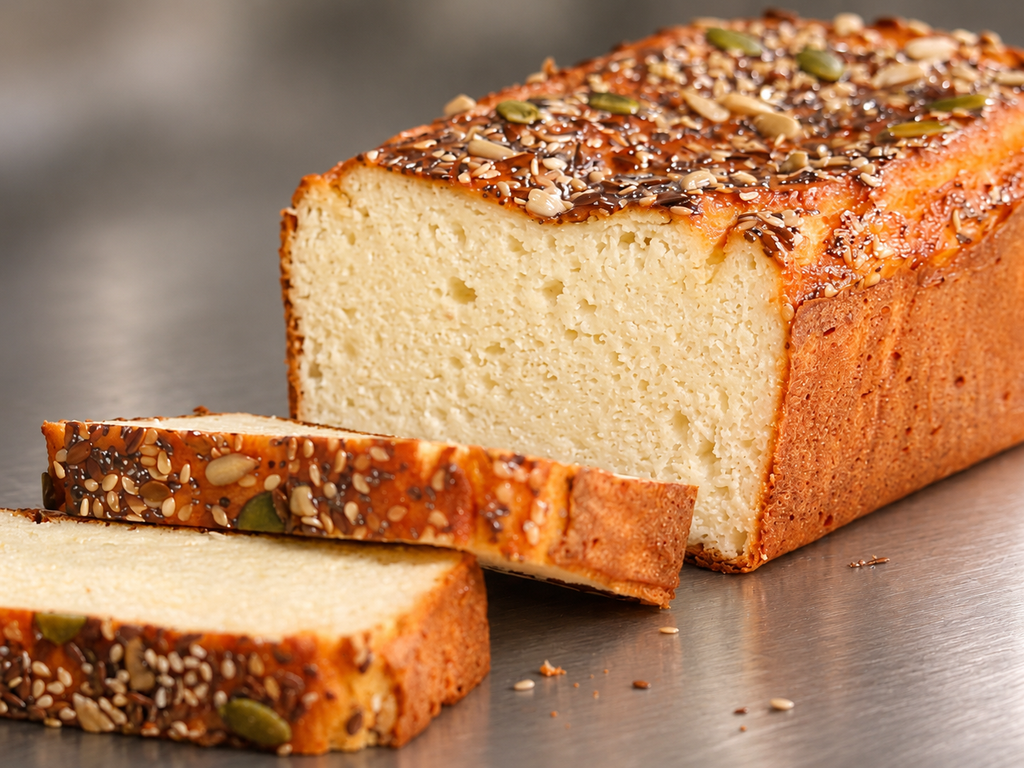
Heavy, sticky loaves with reduced volume, a firm bite, and a crumb that dries out and hardens within a short time after baking.
Common fixes, such as adding more water, vital gluten, emulsifiers, or hydrocolloids directly to the mix, only partially help. According to the patent, dumping proteins and polysaccharides into the dough together leaves the rigid protein molecules getting in the way of the gum, so a proper gel never forms and the crumb can turn rough.
Why “Maximally Fortified” Bread Is Worth the Effort
There is a nutritional pull behind this. A recent randomised crossover trial published in the journal Diabetes, Obesity and Metabolism tested a high fibre, high protein bread fortified with lupin flour, at roughly 19.5 g of protein per 100 g, in people with Type 2 diabetes. The authors report that this single fortified staple could significantly improve glycaemia.
If results like these hold, bakers may face growing pressure to push protein much higher, and the texture penalty becomes the bottleneck.
The Approach: Build the Gel First
Two related patent filings, KR20260119791A and KR20260119582A, describe a sequential process. Instead of adding protein as a dry powder, the protein is engineered into a “pre gel” outside the dough and then folded into the main mix.
Technical Details

The key idea is separation. Because the protein is already locked inside its own gel, it may no longer steal water from gluten or physically block network development. Gluten and the protein matrix could then coexist in the dough without interfering with each other.
Hydrolysis alone gave a soft but fast staling crumb; crosslinking alone gave a tough one. Nonionic gums like guar or konjac, or leaving out calcium, failed to gel and sharply cut dough expansion. Adding everything at once, or reversing the order, also performed clearly worse than the full sequential process.
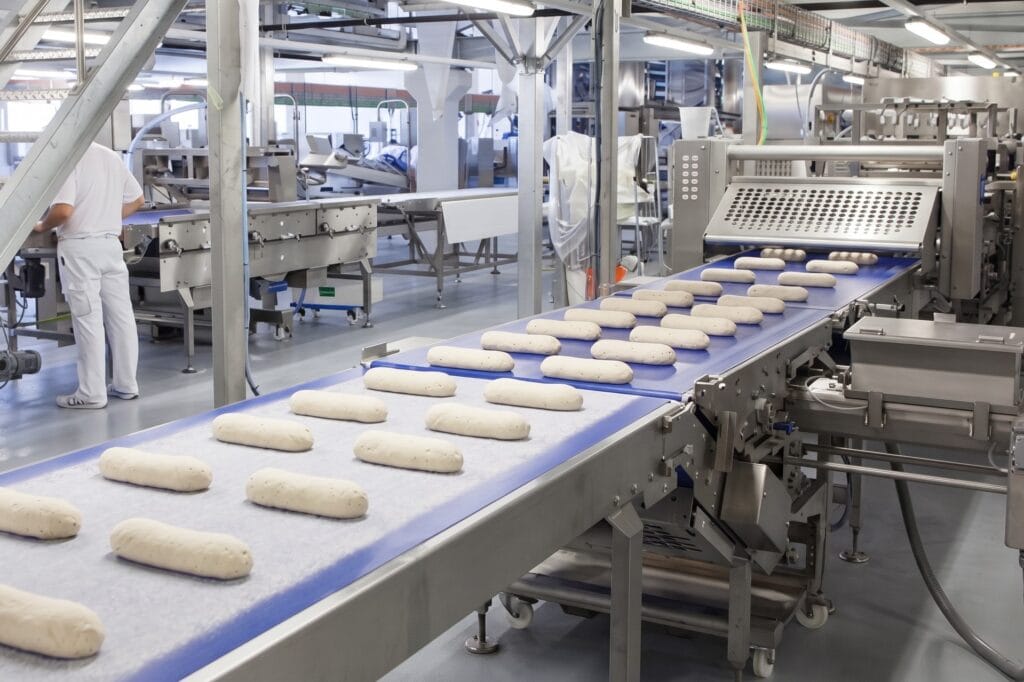
What Changes on the Line
Points to Weigh Before Scaling
😊 Thanks for reading!
Sources:
- KR20260119791A: High protein bakery product containing a protein gel structure with improved texture and method for manufacturing the same, Park Mi jin (박미진). https://patents.google.com/patent/KR20260119791A/en
- KR20260119582A: High protein bakery product containing a protein gel structure with improved texture, Park Mi jin (박미진). https://patents.google.com/patent/KR20260119582A/en
- Diabetes, Obesity and Metabolism (2026): Can a Single Maximally Fortified Food Improve Glycaemia in Type 2 Diabetes? Randomised Crossover Trial of High Fibre High Protein Bread. https://doi.org/10.1111/dom.71523