Why Some Bread Crumbs Are Too Soft for Slicing, and Why Loaf Sides Collapse
Crumb firmness during cooling is essential for maintaining slicing performance and final product quality. When loaves show excessive softness or their sides…

Plant-level root-cause defect diagnostics, texture optimization, shelf-life extension, and in-line quality assurance. Practical engineering and formulation solutions to eliminate scrap, rework, and production downtime.
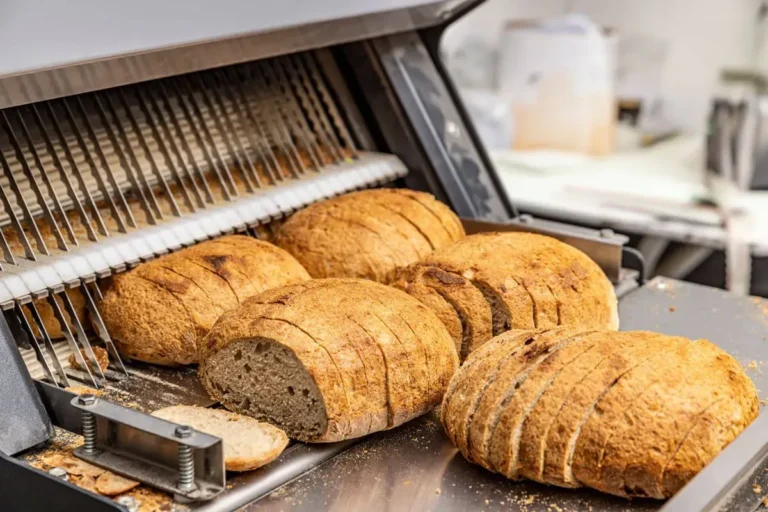
Crumb firmness during cooling is essential for maintaining slicing performance and final product quality. When loaves show excessive softness or their sides…
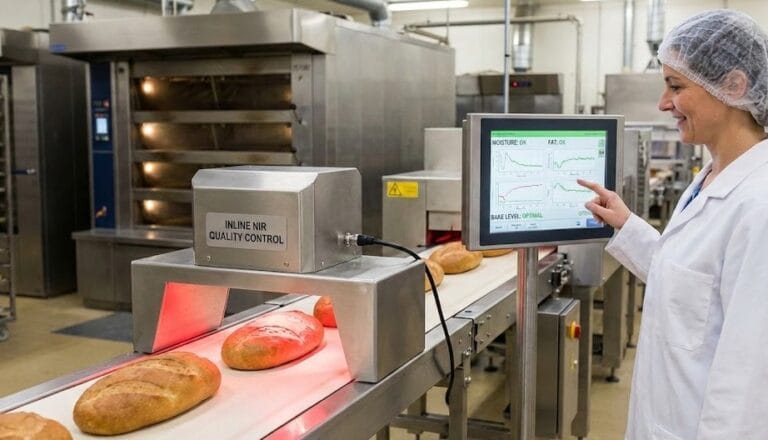
Near-Infrared (NIR) spectroscopy is a real-time, non-destructive analytical technique used to instantly measure the composition of food materials. By projecting near-infrared light…
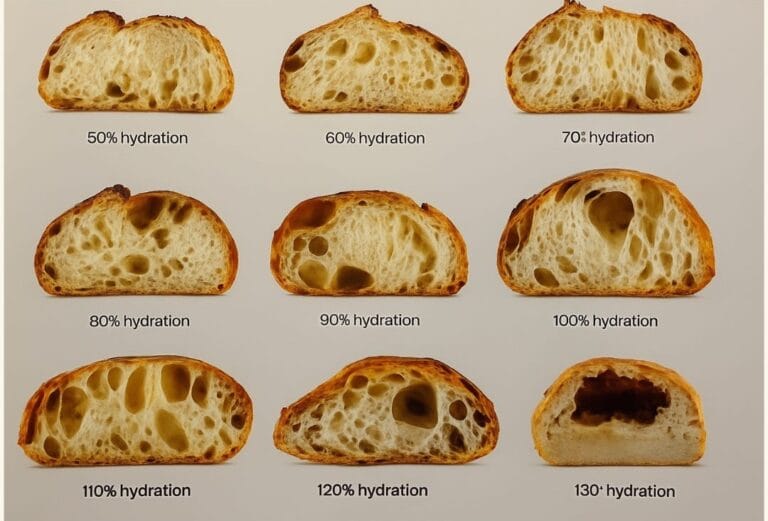
The amount of water defines the behavior of gluten, gas retention, and starch gelatinization, ultimately shaping the bread’s internal architecture. Hydration changes…
How Fat Crystals Shape Cake Quality. One of the most influential aspects of fats is their ability to crystallize into different forms,…
Real-world use case of AI-powered inspection on high-speed lines

Causes and Prevention
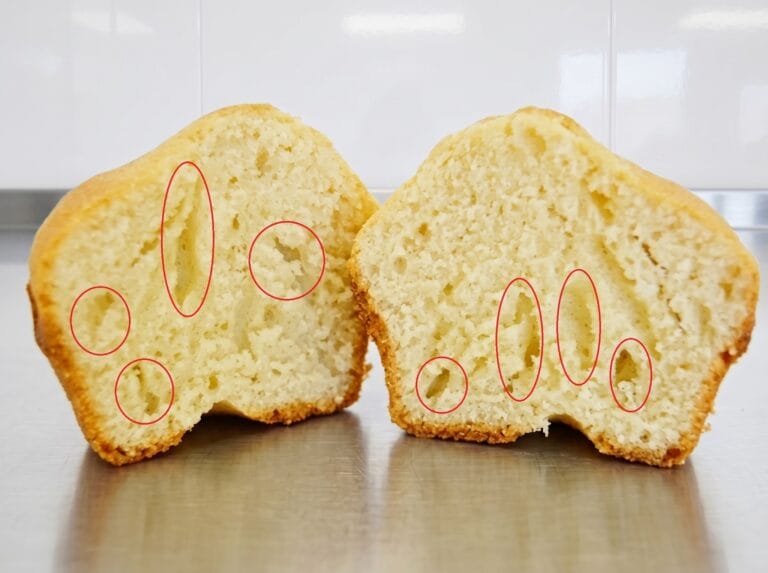
Though often accepted as part of muffin texture, they may not always be desirable, especially when a uniform crumb is the objective.These…
Enzymes as anti-staling agents can slow crumb firming caused by starch retrogradation, offering an effective alternative or complement to emulsifiers.
Technical insights, trends, and innovations.
The premier source of insights for the baking sector.