Innovation: Unlocking In-Situ Emulsification Without Sensory Defects.
Eliminating chemical emulsifiers often leads bakers into a trap; gaining clean labels but sacrificing flavor due to enzymatic side effects. Traditional lipases…

Plant-level root-cause defect diagnostics, texture optimization, shelf-life extension, and in-line quality assurance. Practical engineering and formulation solutions to eliminate scrap, rework, and production downtime.
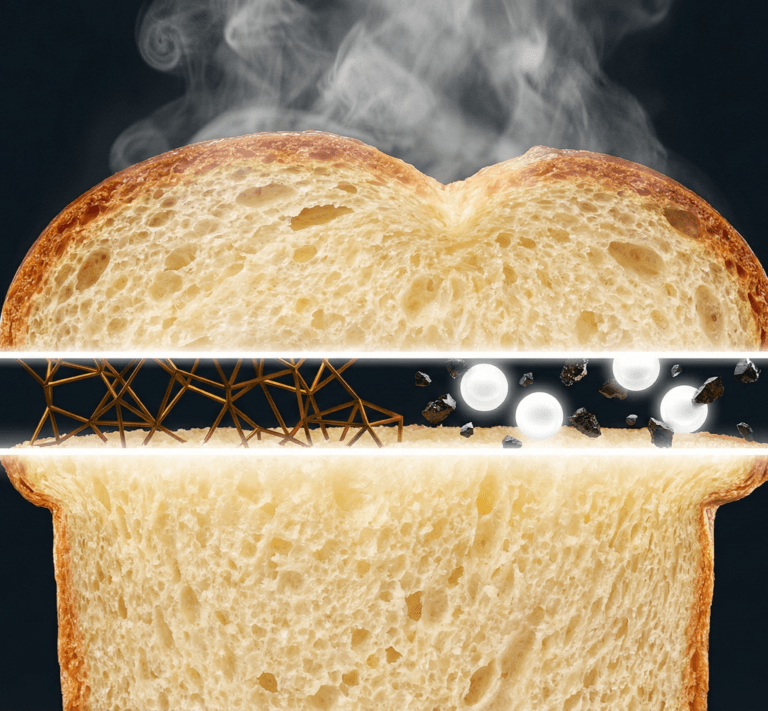
Eliminating chemical emulsifiers often leads bakers into a trap; gaining clean labels but sacrificing flavor due to enzymatic side effects. Traditional lipases…
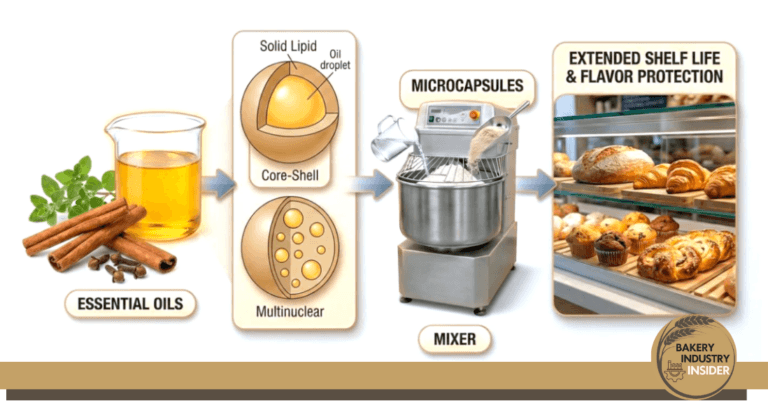
The integration of essential oils (EOs) like cinnamon, clove, and oregano into industrial baking has historically failed due to two factors: high…
Pushing formulations to 20g of protein per serving might be breaking the rheological limit of standard bagel dough. Recent market feedback suggests…
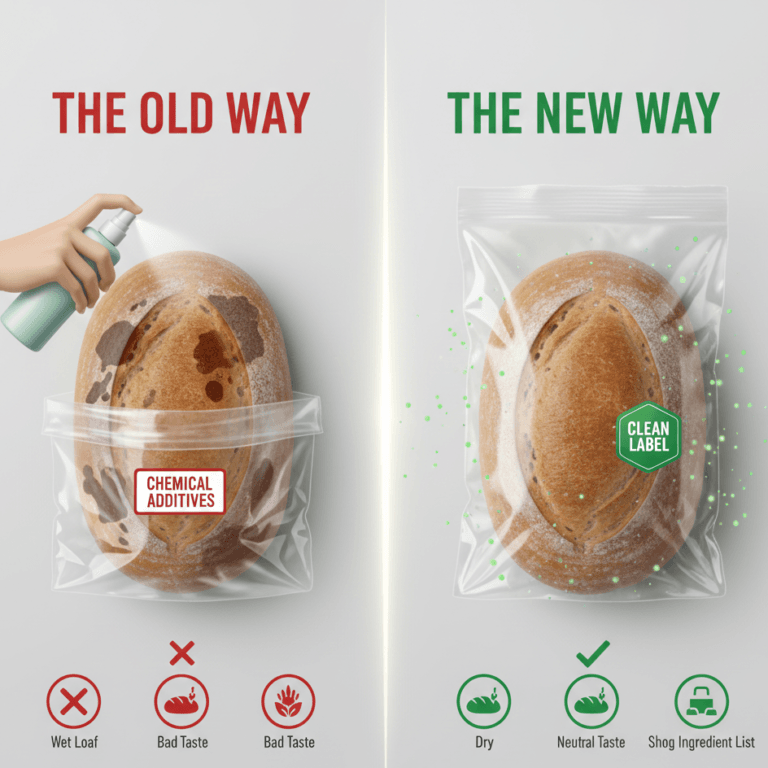
Moldy bread is the bakery industry’s silent revenue killer. Consumers demand "clean labels" free of calcium propionate, but they also refuse to…
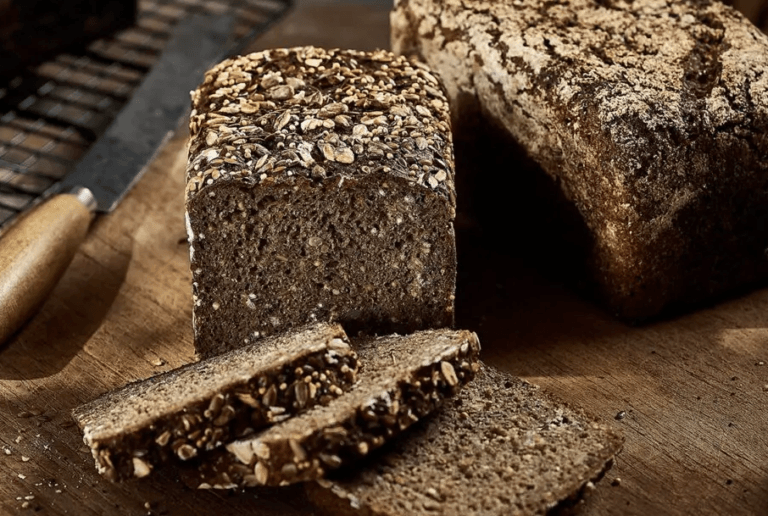
Rye and high-fibre flours aggressively sequester water, destabilizing gluten networks and causing line stoppages. The Solution: A new selective xylanase releases this…
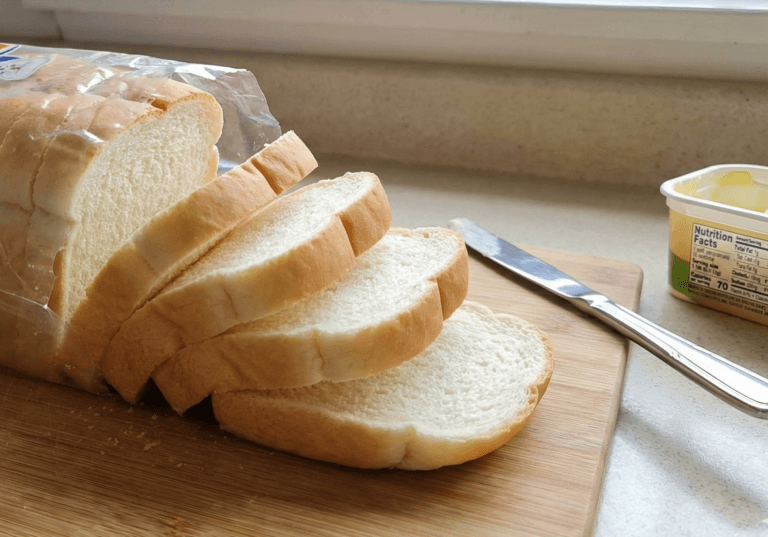
Industrial bakeries face a critical trade-off between clean labels and extended shelf life. IFF’s new enzymatic solution resolves this by maintaining crumb…
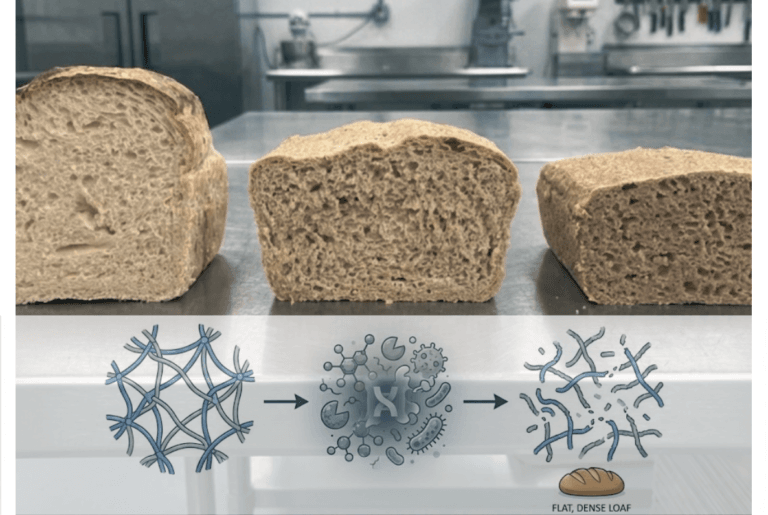
Mastering buffering capacity and proteolysis is the only way to prevent the dreaded "soup" texture during scale-up.
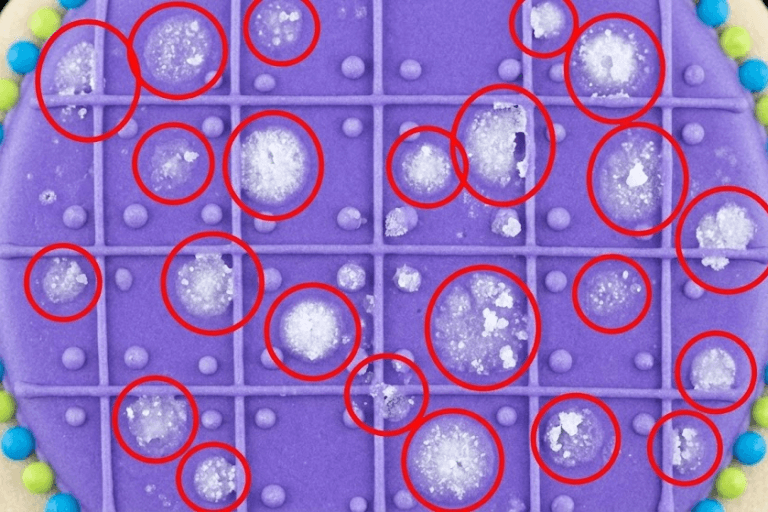
Dull spots and crystalline eruptions on frozen icings ruin visual appeal and texture. These sucrose hydrate defects often stem from specific storage…
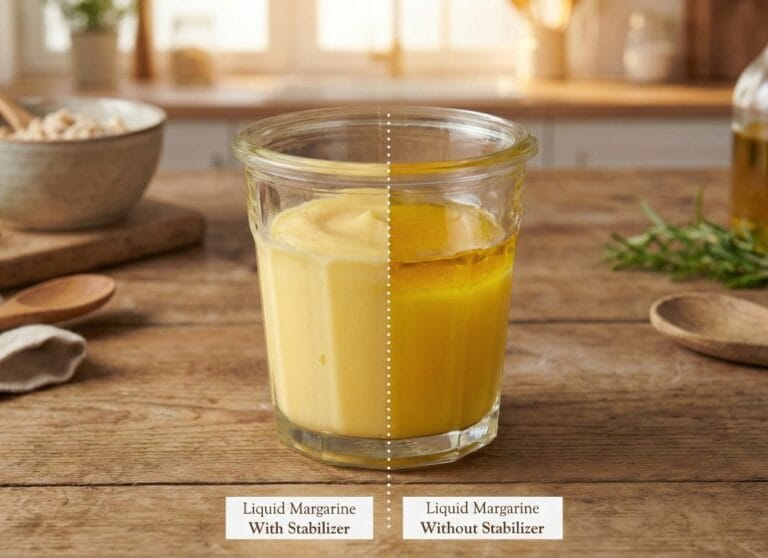
When margarine cracks or oil bleeds into the dough, the characteristic flaky layers vanish. The solution lies in mastering interfacial tension to…
Bagel collapse is a common issue in both artisanal and industrial bakeries. When a bagel flattens after boiling or develops a tight,…
Technical insights, trends, and innovations.
The premier source of insights for the baking sector.