Industrial Cupcake Production; Managing Rheology for Cleaner Results
Messy drips and stringy tails on the production line are a constant headache; cleaning equipment stops the flow of profit. However, mastering…

The physical chemistry and biotechnology of dough systems. Analyzing rheological behavior, hydration dynamics, bulk fermentation kinetics, preferments, and scalable industrial sourdough propagation.
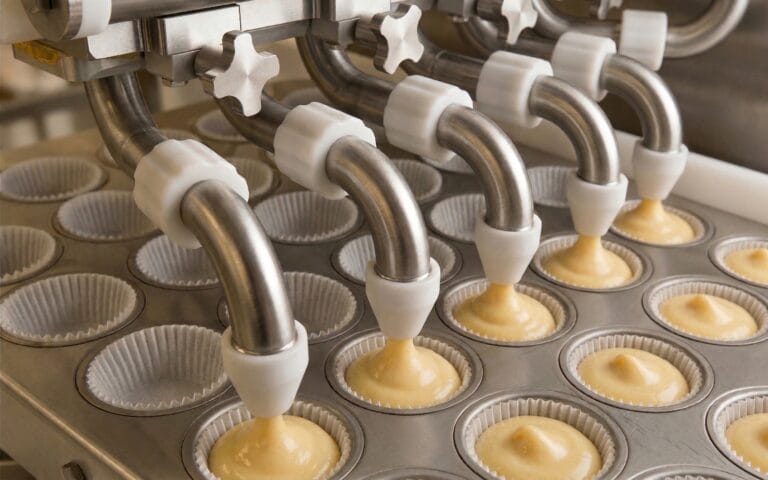
Messy drips and stringy tails on the production line are a constant headache; cleaning equipment stops the flow of profit. However, mastering…
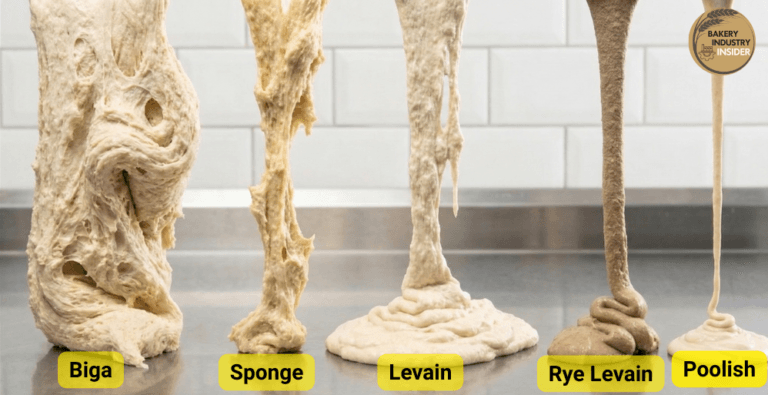
Bread lacks depth. The crumb is bland, the crust smells of little, and more yeast only makes things worse. The issue is…
Struggling with dough that ferments too rapidly or yields a bland final product? Unchecked fermentation could lead to weak structures and uninspiring…
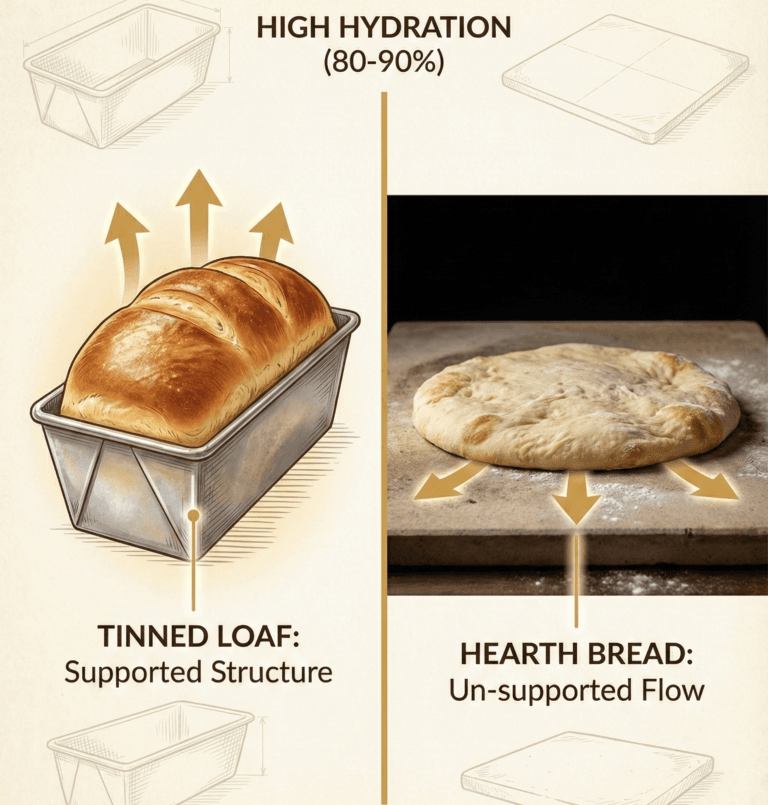
Chasing the maximum water absorption of your flour often leads to unmanageable dough and flat loaves. Ignoring the difference between laboratory values…
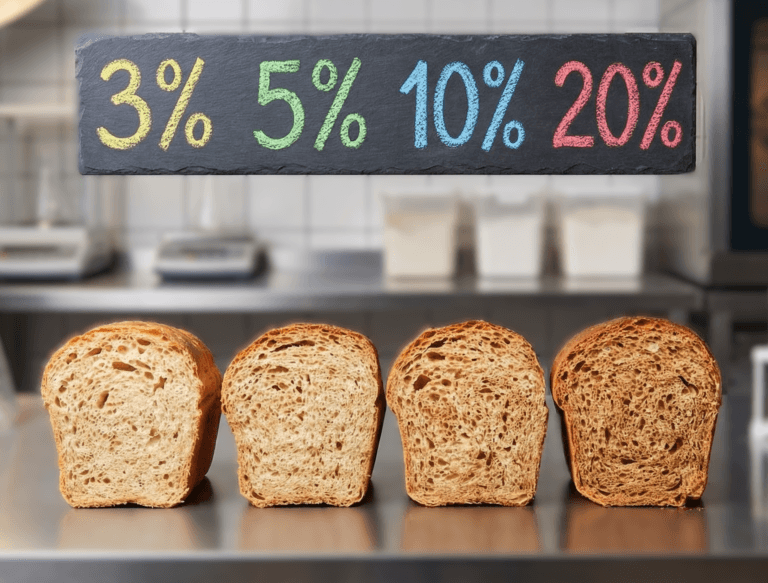
High sugar levels (>5%) in your dough creates an "osmotic trap" that suffocates yeast and stifles volume, forcing you to overcompensate with…
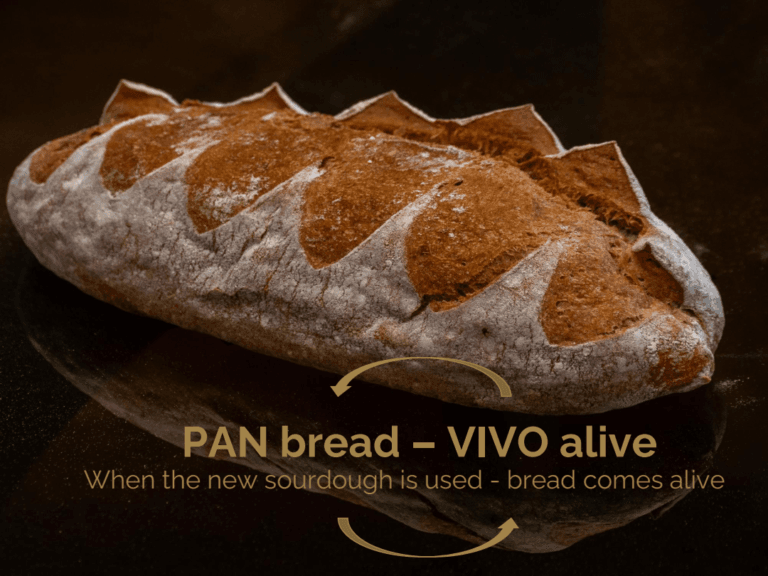
The industrial bakery sector faces a critical "commodity trap" where sourdough competition is driving prices down. Millbio’s Panvivo concentrates solve this by…
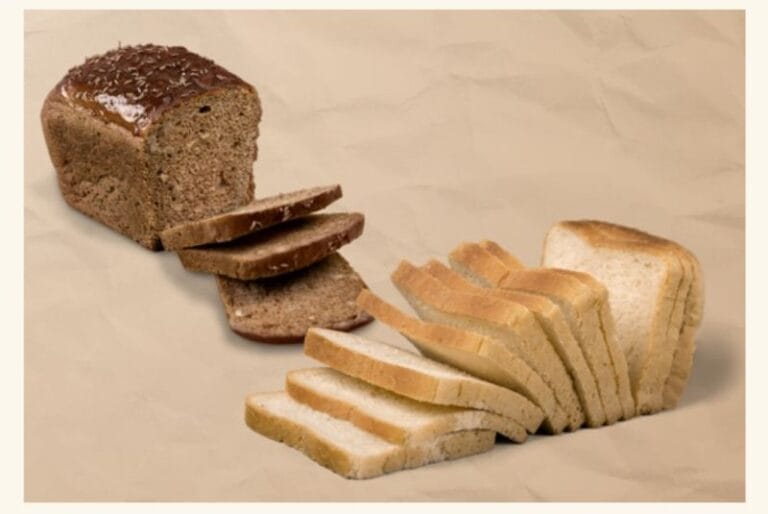
Wholemeal flour is often associated with higher protein content than white flour, yet, its bread typically exhibits a smaller volume.
Scientists are pushing the limits of what baker’s yeast can do, making it faster, stronger, and better suited to today’s industrial challenges.…
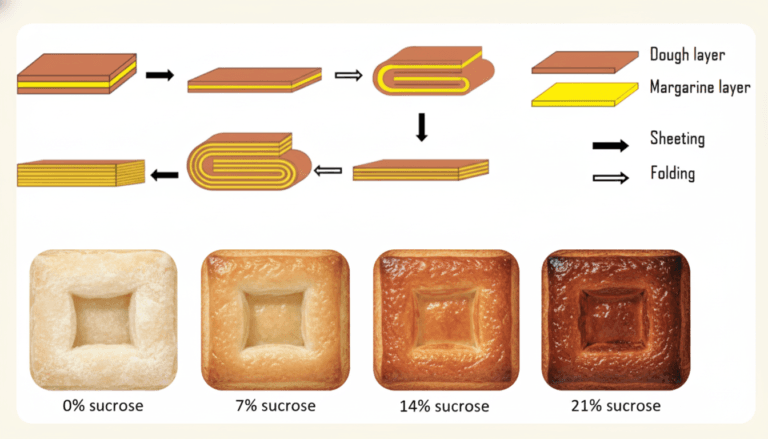
Inconsistent volume and flavor often plague pastry formulations when sugar levels shift. This guide breaks down how sucrose hydrolysis and osmotic stress…
At the heart of this process are proteins, particularly gluten-forming proteins, which build the viscoelastic structure that holds gas and gives dough…
Technical insights, trends, and innovations.
The premier source of insights for the baking sector.