Why Whole Wheat Flour Ferments Faster Than White Flour
This difference arises from the nutritional, enzymatic, and microbiological properties of whole grain flour.

The physical chemistry and biotechnology of dough systems. Analyzing rheological behavior, hydration dynamics, bulk fermentation kinetics, preferments, and scalable industrial sourdough propagation.
This difference arises from the nutritional, enzymatic, and microbiological properties of whole grain flour.
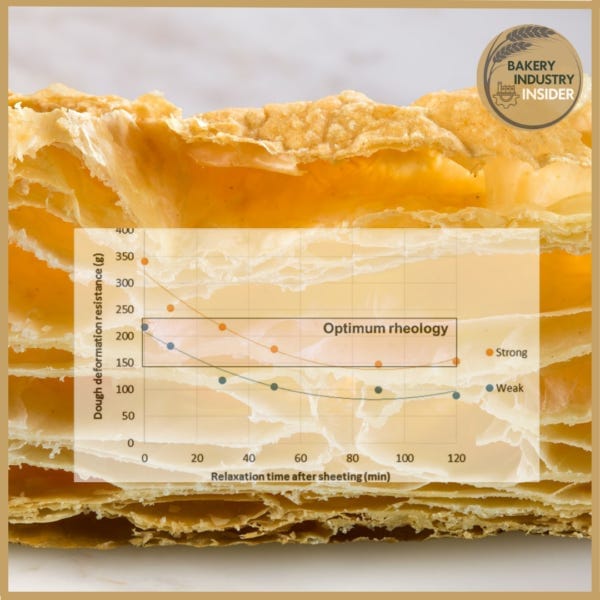
Laminated products require precise dough rheology to achieve their layered structure. Dough elasticity, extensibility, and fat distribution are key to texture and…
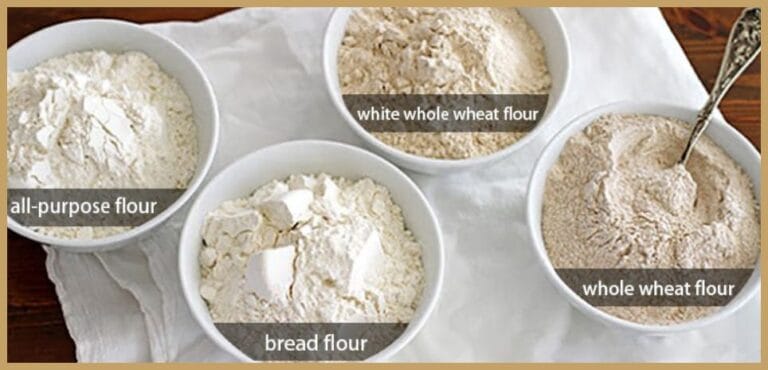
Flour quality greatly impacts baking outcomes, yet ash content is often overlooked. What does it reveal, and how can it solve bakery…
This non-enzymatic browning process occurs when reducing sugars and amino acids react at high temperatures, forming the golden crust, rich flavors, and…
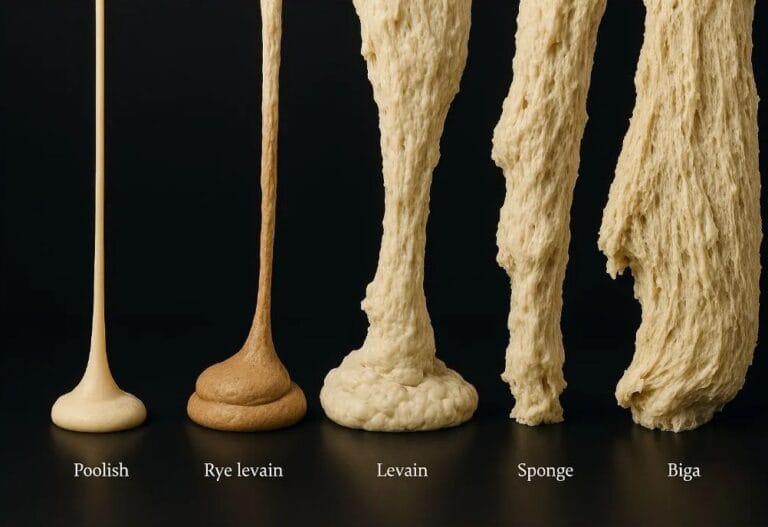
Fermentation shapes the flavor, aroma, and texture of bread. The ideal method depends on your goals-whether efficiency, flavor development, or process control.…
Technical insights, trends, and innovations.
The premier source of insights for the baking sector.