Machine Learning-Designed Enzyme Complexes: The New Path to Clean-Label Dough Conditioning
An emerging synergy between AI-driven multi-enzyme complexes and the industrial scalability of open innovation could improve the formulation of clean-label baked goods, allowing high-capacity lines to achieve optimal texturization while complying with strict positive nutrition mandates.
The Corporate Mandate: Towards Positive Nutrition
Let us look at the recent shifts in clean-label formulations. The transition away from synthetic additives is no longer just a marketing requirement; it has become an operational baseline. Grupo Bimbo recently confirmed that by the end of 2026, its entire global product portfolio will eliminate all artificial colorants and flavors.
This corporate mandate also dictates that 100% of its core bakery line must achieve a Health Star Rating (HSR) superior to 3.5. This metric pushes the industry toward a baseline of positive nutrition, but it simultaneously creates significant bottlenecks for producers tasked with maintaining product stability, volume, and texture without the use of conventional emulsifiers.
Replacing these components without sacrificing the organoleptic profile requires novel sensory stabilization techniques and advanced structural networks. To address these challenges, ingredient manufacturers are actively turning to artificial intelligence.
The Algorithmic Solution: Designing Ingredients with Machine Learning
Novonesis, the entity formed by the strategic merger of Novozymes and Chr. Hansen, has recently launched Optiva LS Prime. This innovative solution is an advanced multienzymatic complex developed using machine learning models to map protein sequences in the laboratory.
This accelerated design allows for the creation of clean-label profiles that meticulously replace traditional dough conditioners, which typically fail strict audits despite providing the necessary structural support.
The core engineering behind this technology includes:
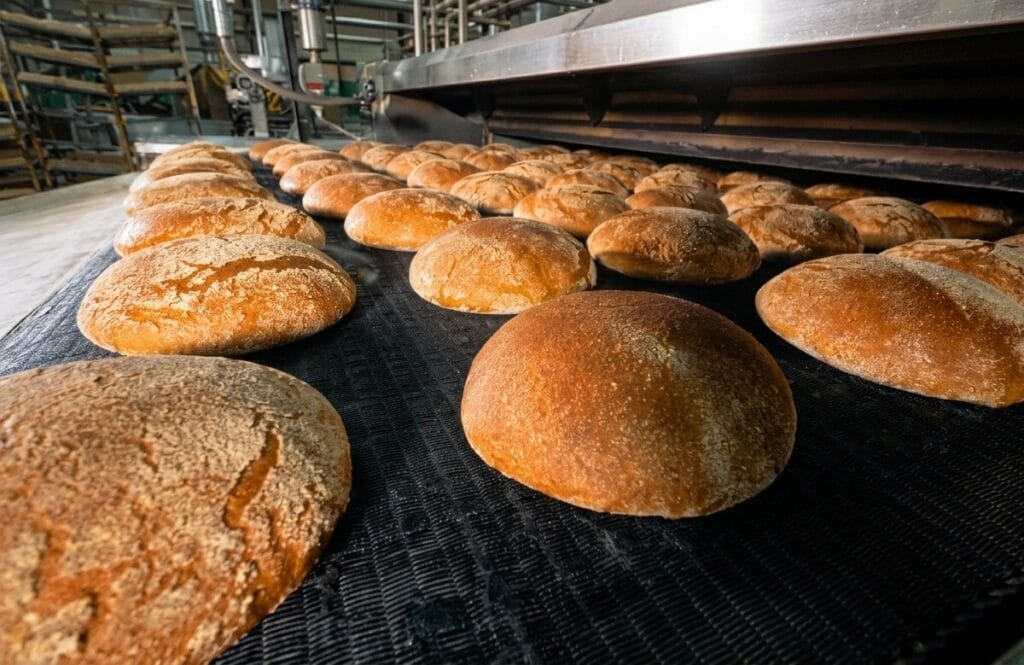
The primary benefit for the production line is a drastically more robust dough matrix. Historically, high-dosage enzymatic systems have risked over-softening the dough, causing sticky interactions with conveyor belts, transfer points, and cutting equipment.
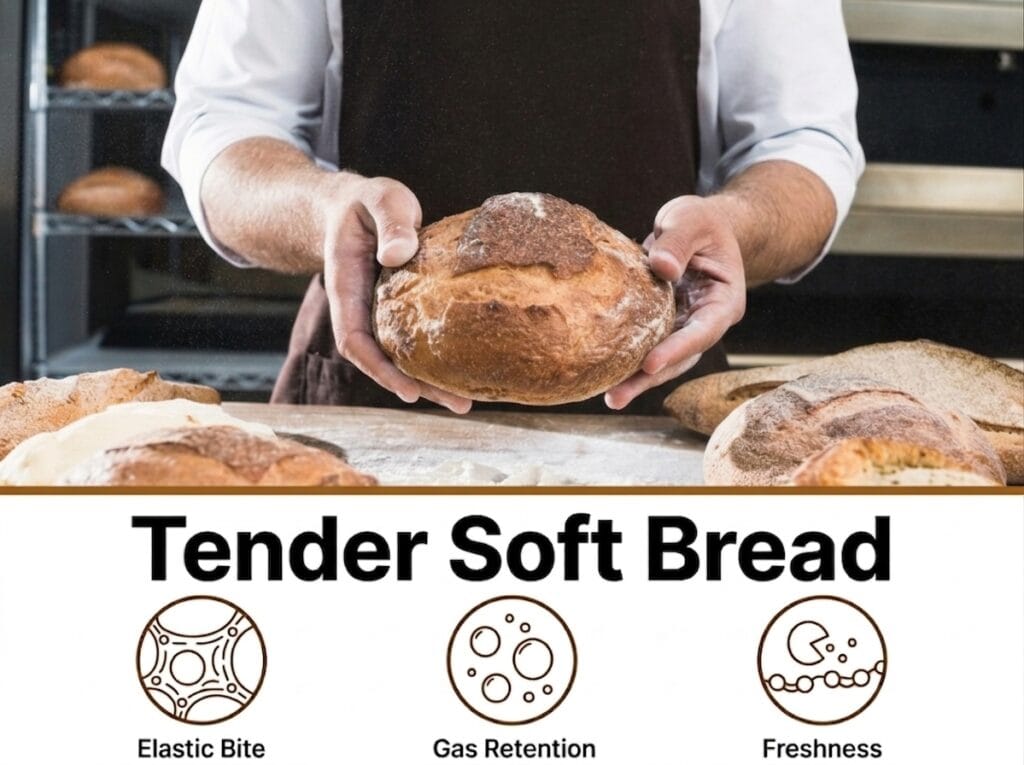
By utilizing AI-selected variants, this physical ingredient (Optiva LS Prime) should deliver the necessary dough strength and structural resilience without the traditional risk of excessive stickiness. This translates directly to fewer mechanical jams, optimized continuous throughput, and a reduction in raw material waste during high-capacity extrusion and molding.
From Bench to Belt: The Industrial Infrastructure Needed to Deploy Next-Gen Enzymes
Scaling these biocatalysts requires substantial physical infrastructure. To externalize and accelerate this innovation, the Italian holding company Nexture launched its “2026 Generate Open Call for Startups”. This B2B incubation program is specifically targeted at food-tech and ingredient-tech companies focused on bakery evolution, alternative lipids, and clean-label texturization.
Nexture is offering selected startups 12 to 18 months of intensive support, alongside access to its network of 24 industrial plants and 20 innovation centers. The objective is to rapidly scale next-generation ingredients, such as biocatalysts that can restructure alternative lipids to effectively replace palm oil.
Replacing palm oil demands rigorous solid fat content modeling to accurately mimic traditional melting profiles during the baking cycle. By providing the physical assets required for industrial scale-up, Nexture could bridge the critical gap between laboratory-scale enzyme engineering and commercial deployment in continuous baking systems.
Sources:
https://www.openpr.com/news/4496177/the-biological-catalyst-how-enzyme-engineering-is-powering
Enhance your technical knowledge with our detailed resources on How Automation Mimics Artisan Phyllo Dough, How to Optimize Fermentation and Baking in Belgian Waffle Lines, and Industrial Cupcake Production; Managing Rheology for Cleaner Results.