34 Days Fresh: Decoupling Softness from Sugar and Fat.
Industrial bakeries face a critical trade-off between clean labels and extended shelf life. IFF’s new enzymatic solution resolves this by maintaining crumb…

Actionable protocols to resolve crumb collapse, tunnel holes, blistered crusts, pastry layer shrinkage, and shaping irregularities.
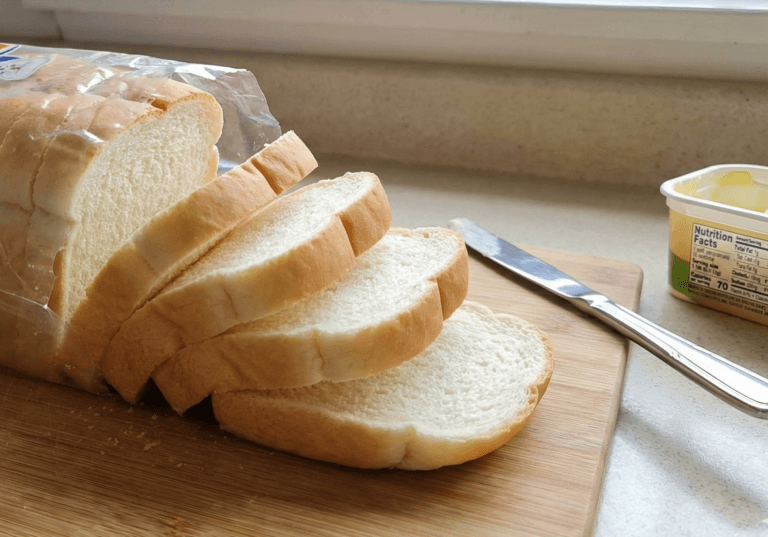
Industrial bakeries face a critical trade-off between clean labels and extended shelf life. IFF’s new enzymatic solution resolves this by maintaining crumb…
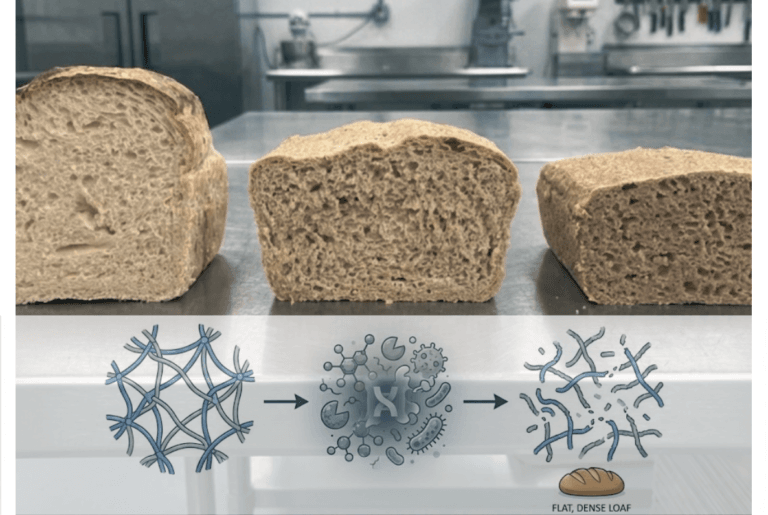
Mastering buffering capacity and proteolysis is the only way to prevent the dreaded "soup" texture during scale-up.
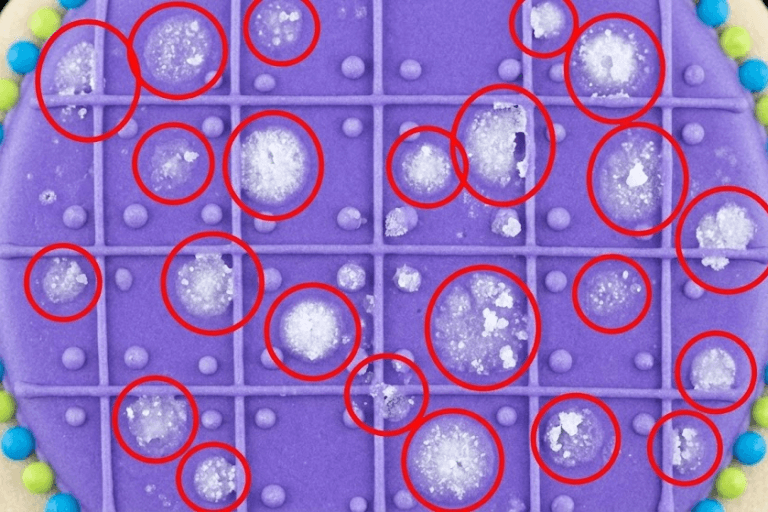
Dull spots and crystalline eruptions on frozen icings ruin visual appeal and texture. These sucrose hydrate defects often stem from specific storage…
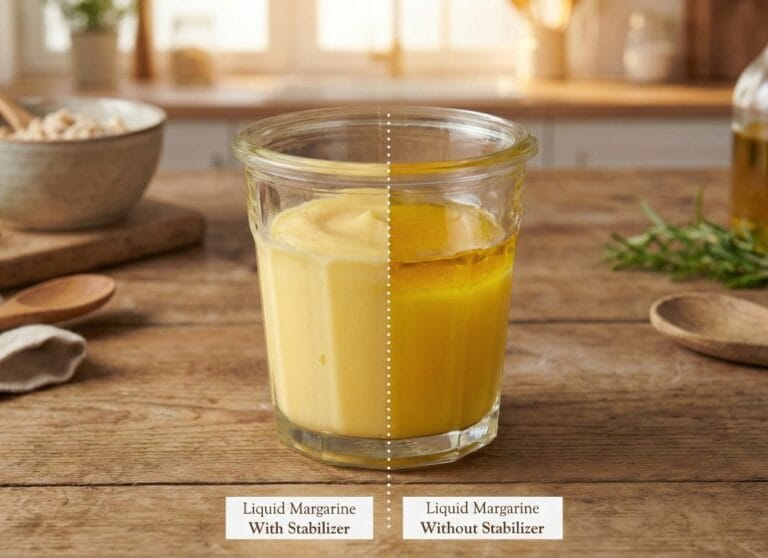
When margarine cracks or oil bleeds into the dough, the characteristic flaky layers vanish. The solution lies in mastering interfacial tension to…
Bagel collapse is a common issue in both artisanal and industrial bakeries. When a bagel flattens after boiling or develops a tight,…
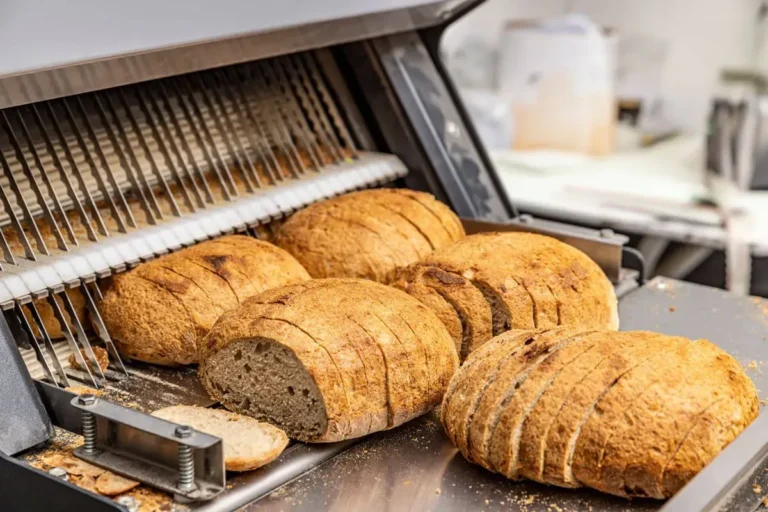
Crumb firmness during cooling is essential for maintaining slicing performance and final product quality. When loaves show excessive softness or their sides…
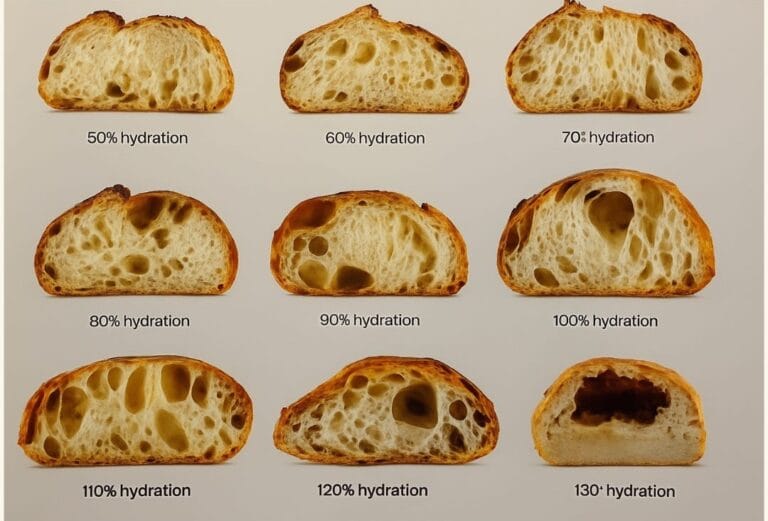
The amount of water defines the behavior of gluten, gas retention, and starch gelatinization, ultimately shaping the bread’s internal architecture. Hydration changes…
How Fat Crystals Shape Cake Quality. One of the most influential aspects of fats is their ability to crystallize into different forms,…
Real-world use case of AI-powered inspection on high-speed lines

Causes and Prevention
Technical insights, trends, and innovations.
The premier source of insights for the baking sector.