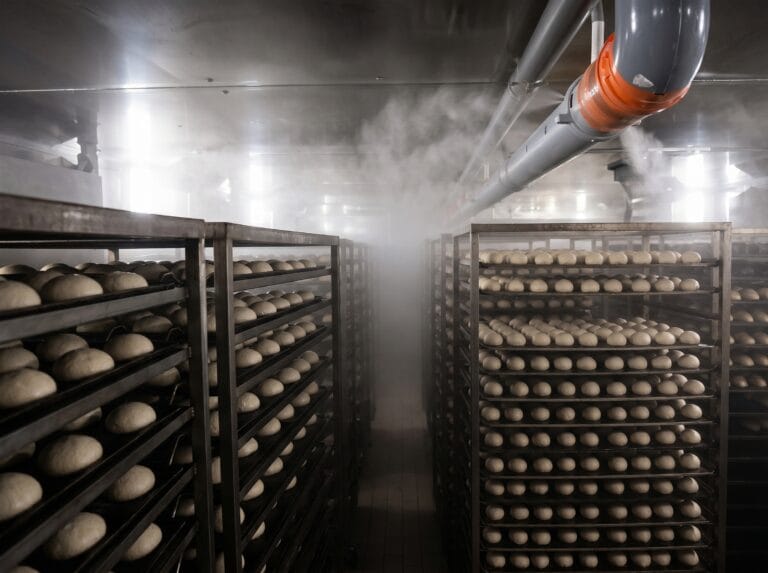
Spelt Dough Processing: Adjustments to Prevent Tearing and Line Failures
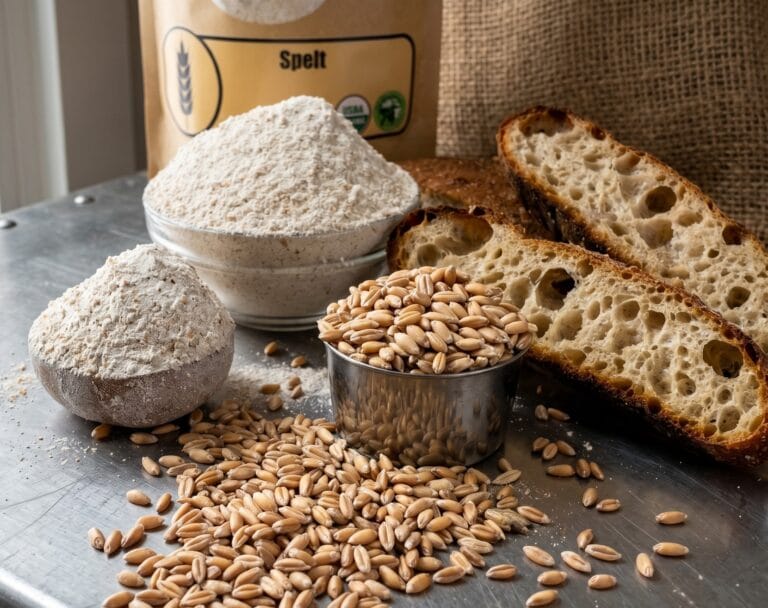
The rheological instability of spelt could generate highly sticky doughs that adhere to conveyor belts and collapse, causing high rejection rates, excessive…
Actionable protocols to resolve crumb collapse, tunnel holes, blistered crusts, pastry layer shrinkage, and shaping irregularities.
The rheological instability of spelt could generate highly sticky doughs that adhere to conveyor belts and collapse, causing high rejection rates, excessive…
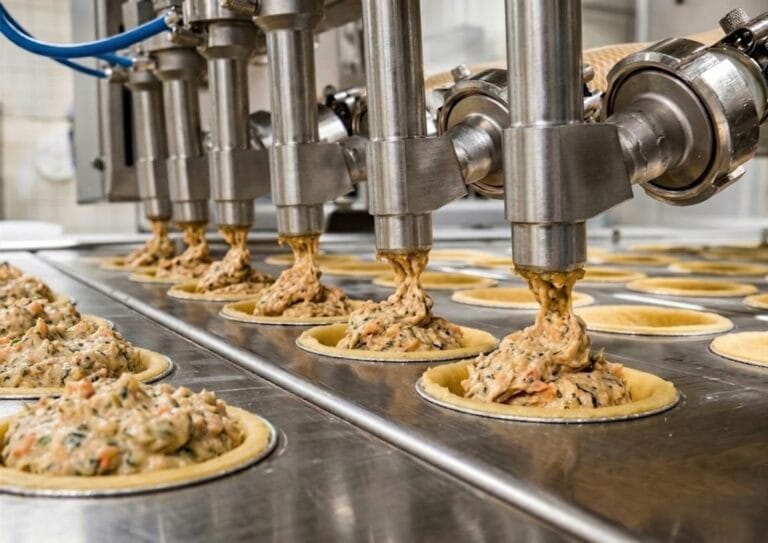
Moisture migration often softens pie bases, ruining their initial texture. This structural defect could lead to returns and reduce commercial viability. Implementing…
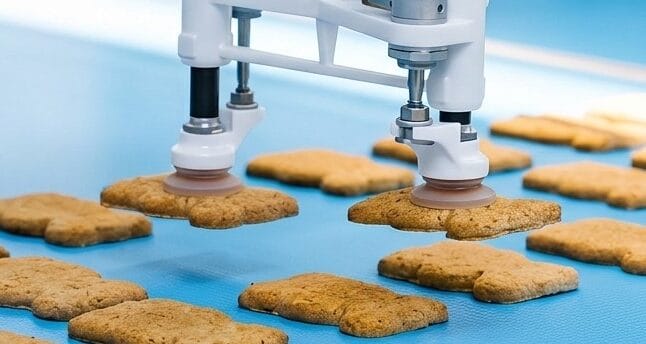
Fragile cookies break easily on high-speed lines, causing costly waste and operational frustration. This constant loss hits profitability without warning. Implementing gentle…
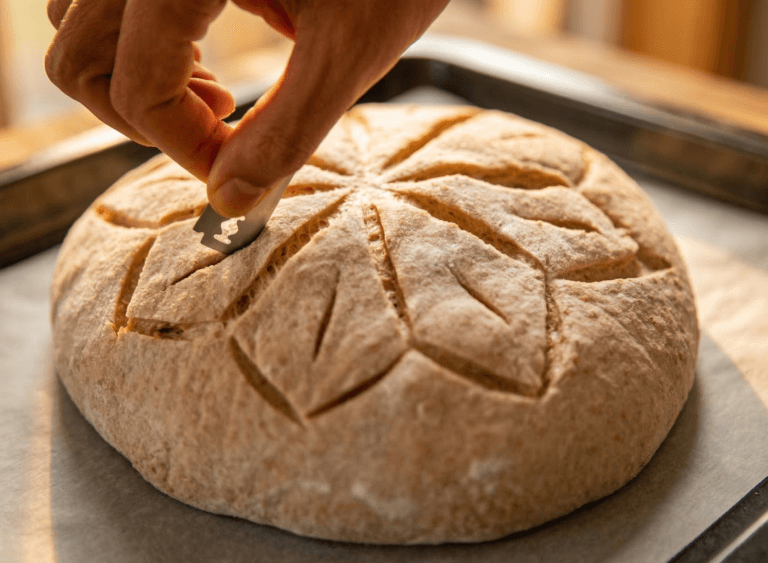
Does your bread often come out pale or irregularly torn? This frustrating issue might stem from inadequate steam management and improper cuts.…
Struggling to achieve a crust that sings with flavor can dishearten even the most seasoned bakers. A dull aroma often points to…
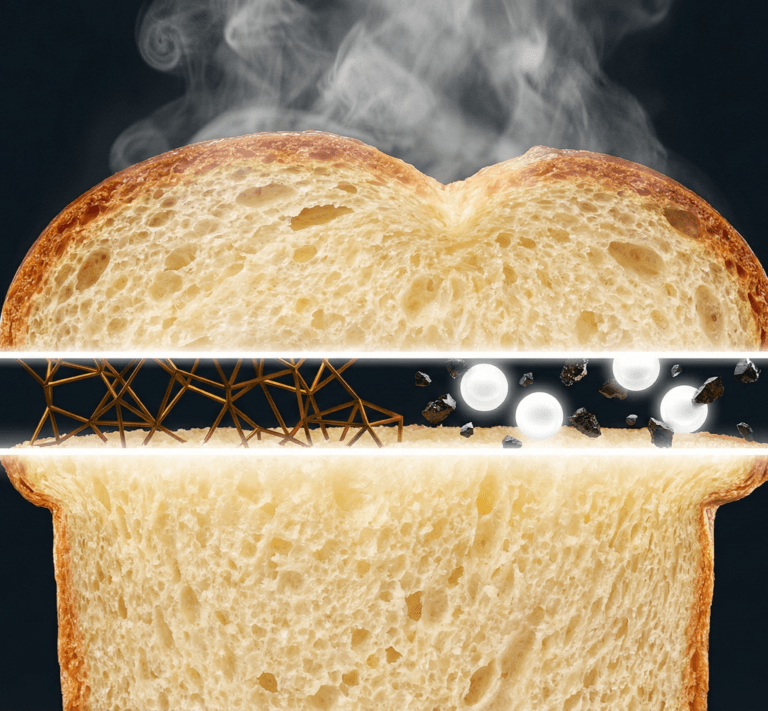
Eliminating chemical emulsifiers often leads bakers into a trap; gaining clean labels but sacrificing flavor due to enzymatic side effects. Traditional lipases…
Pushing formulations to 20g of protein per serving might be breaking the rheological limit of standard bagel dough. Recent market feedback suggests…
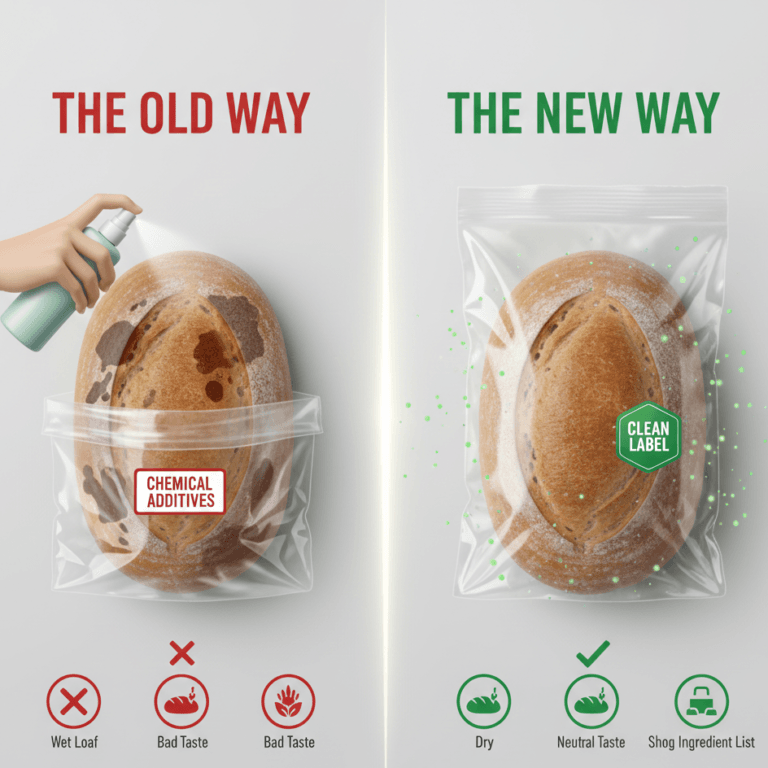
Moldy bread is the bakery industry’s silent revenue killer. Consumers demand "clean labels" free of calcium propionate, but they also refuse to…
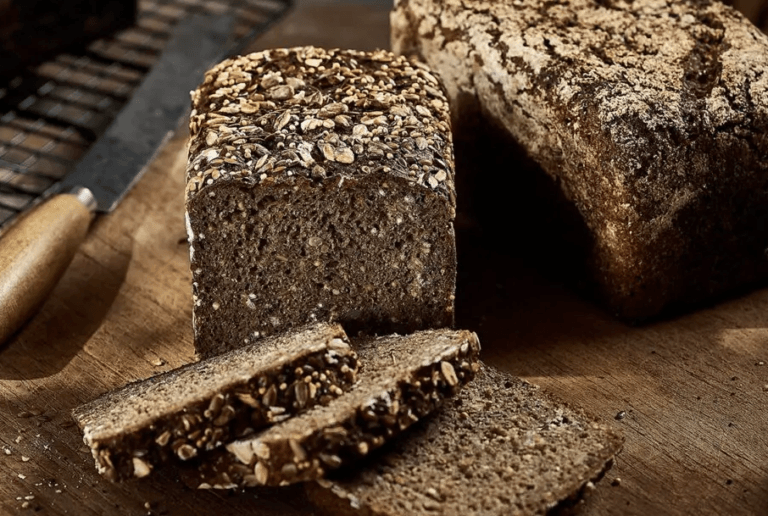
Rye and high-fibre flours aggressively sequester water, destabilizing gluten networks and causing line stoppages. The Solution: A new selective xylanase releases this…
Industrial bakeries face a critical trade-off between clean labels and extended shelf life. IFF’s new enzymatic solution resolves this by maintaining crumb…
Technical insights, trends, and innovations.
The premier source of insights for the baking sector.