The Mechanics of Bread Crusts
Does your bread often come out pale or irregularly torn? This frustrating issue might stem from inadequate steam management and improper cuts. Adjusting initial oven humidity and scoring depth could easily transform a rebellious dough into a perfectly golden, crispy loaf.
The Chemistry of Color and Aroma
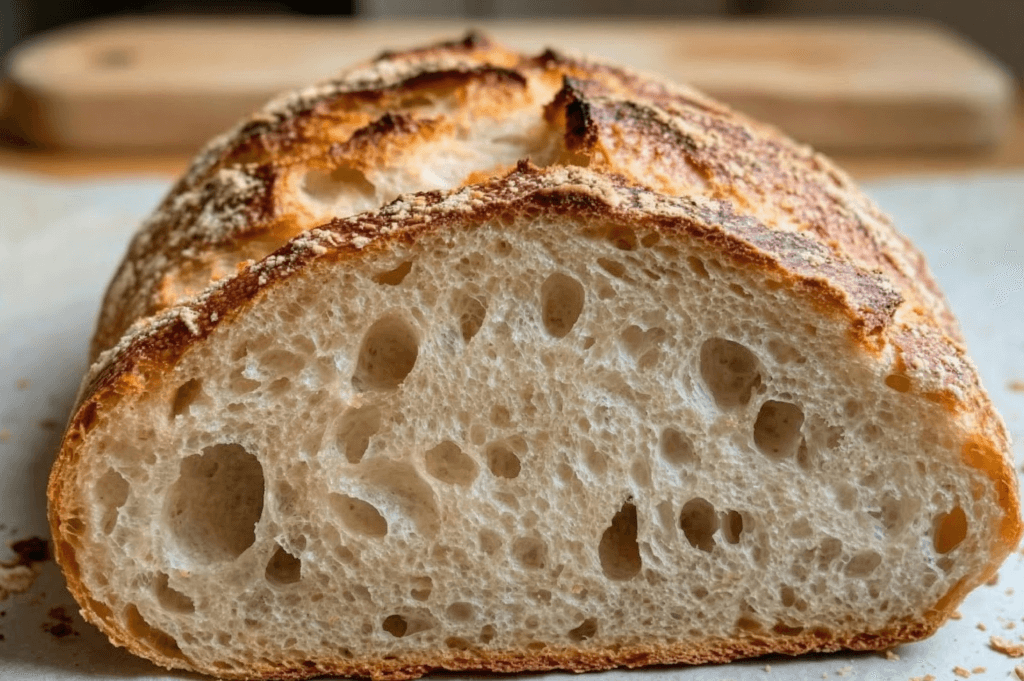
The formation of the crust could be considered a dynamic interaction between heat, evaporation, and complex chemical reactions. As the bread enters the oven, the surface temperature rises rapidly. The water begins to evaporate, which usually dries the outer layer to a moisture level of approximately 12% to 17%, standing in clear contrast to the moist internal crumb. This crust to crumb ratio shapes the overall texture and perception of the baked good.
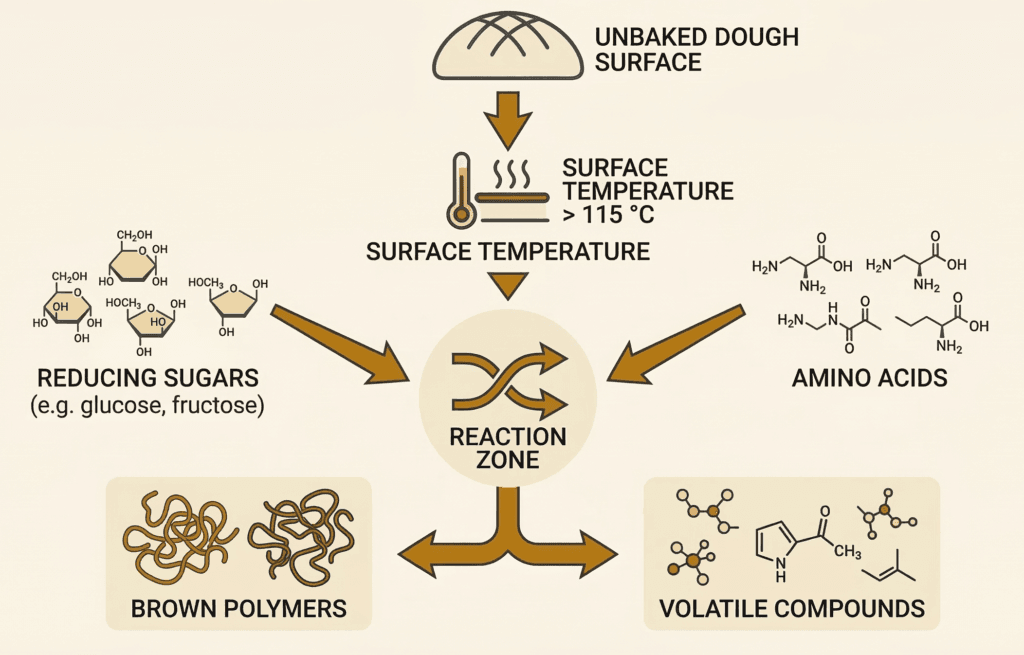
The golden tones and characteristic aromas are primarily driven by the Maillard reaction. This nonenzymatic phenomenon might initiate when the dough surface exceeds 115 °C. Reducing sugars interact with the amino acids present in the flour. This process generates brown polymers and key volatile compounds, such as the specific 2-acetyl-1-pyrroline molecule, which could be the main responsible factor for that unmistakable toasted bread aroma. Upon reaching 160 °C, the caramelization of sugars usually begins to intensify both the dark color and the flavor profile of the crust.
The Role of Steam
The humidity within the oven could determine the success of the final texture. Introducing steam in the first few minutes of baking allows water to condense on the cold dough.
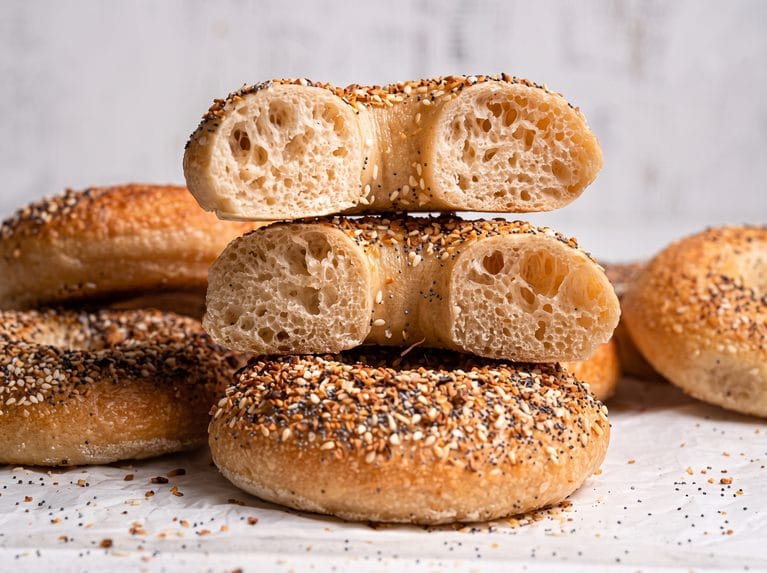
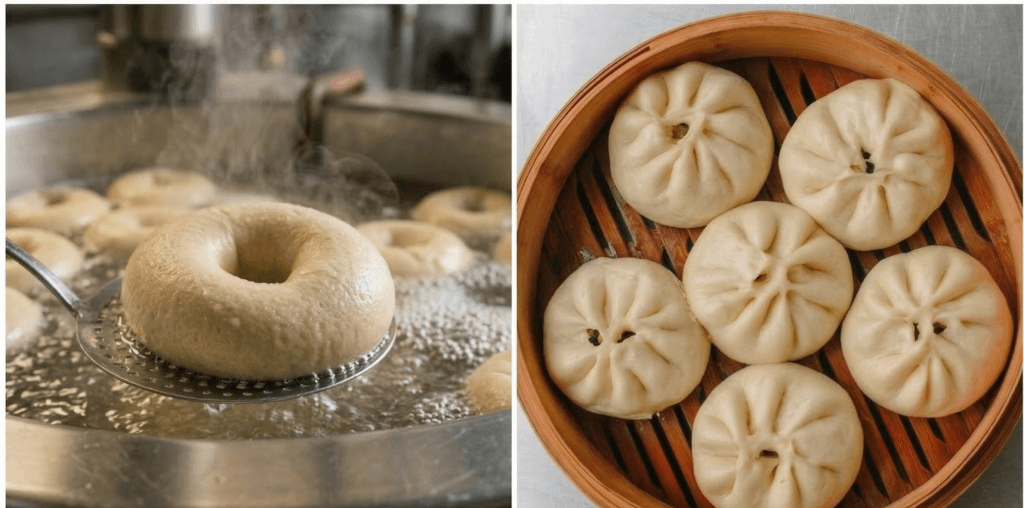
Altering the cooking medium changes the outcome entirely, as seen in specialized bakery items.
The Technical Function of Scoring
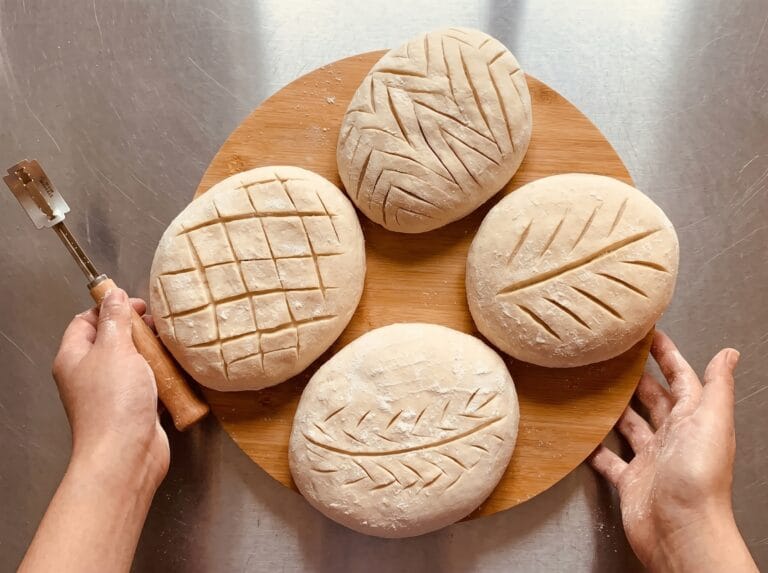
Scoring, or making precise cuts, is not just an aesthetic practice; it serves as a fundamental technical tool.
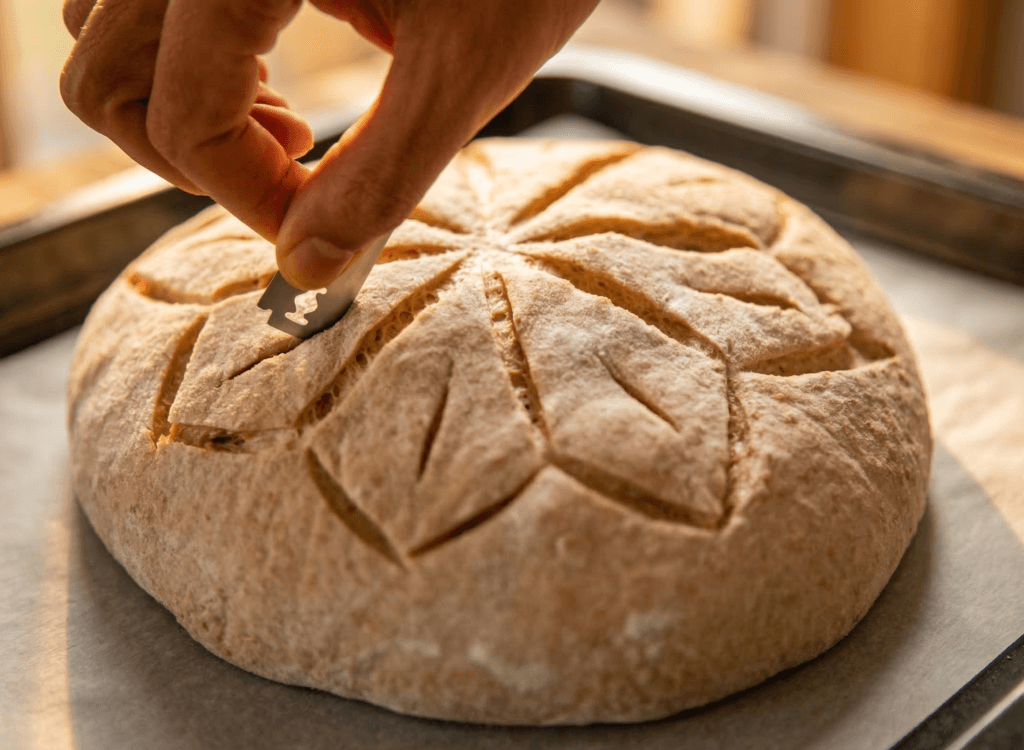
The scoring technique should be adjusted to the doughs rheology, evaluating its elasticity and hydration level.
😊 Thanks for reading!
Sources:
https://www.cabidigitallibrary.org/doi/pdf/10.5555/20220559982 https://pubmed.ncbi.nlm.nih.gov/30810038/
If you found this article helpful, explore our related coverage on The Transformation of Dough: What Happens Inside the Oven?, How Deep Learning is Reinventing Baguette Quality Control in Industrial Bakeries, and Polydextrose: A Fat Replacer for Bakery Applications.