How to Optimize Fermentation and Baking in Belgian Waffle Lines

Struggling with collapsed textures or burnt sugars during scale-up? Balancing a live dough with pearl sugar represents the ultimate technical hurdle for the Belgian waffle. Understanding thermal and fermentation kinetics might be the definitive solution to stabilize your line and ensure profitability.
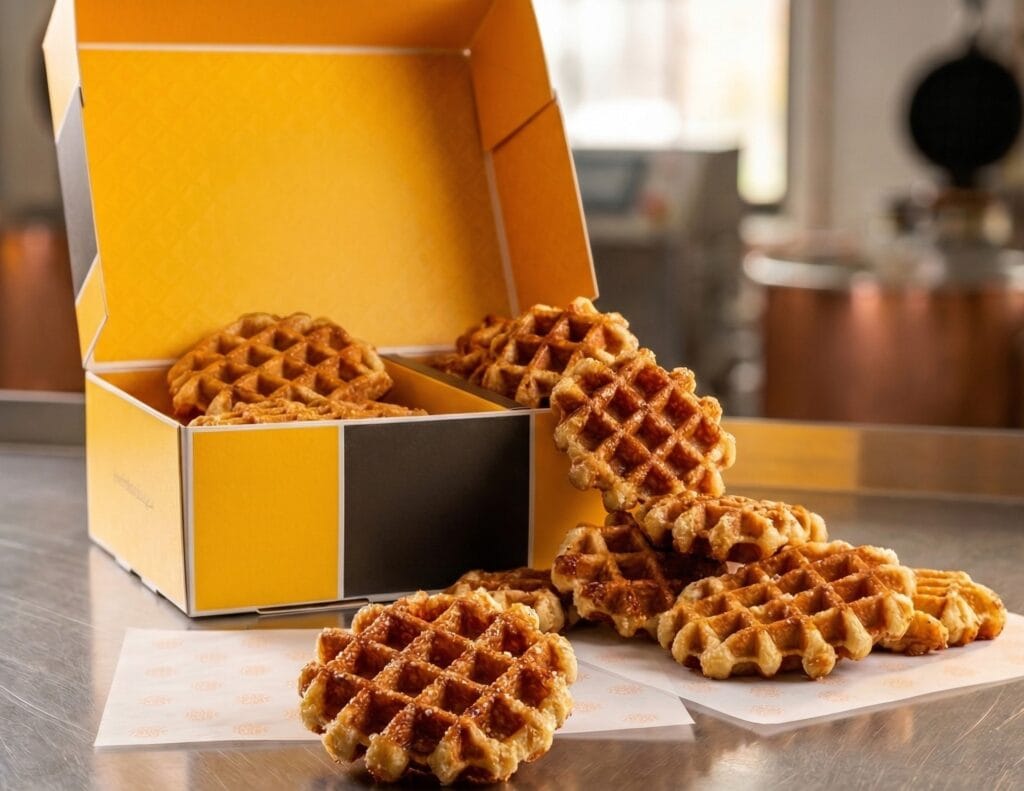
It is worth noting the significant difference between Belgian and American waffles. The latter typically consist of a liquid and moist batter leavened chemically; whereas the authentic Belgian waffle is constructed upon a dense and structured dough that utilizes biological yeast as its primary agent.

This process requires managing a living biological matrix that must interact thermally with high-density solid inclusions; specifically, pearl sugar. Any deviation in fermentation times or heat transfer could result in a defective product.

Common failures might include a collapsed texture, premature crystallization, or the carbonization of sugars; these defects could rapidly ruin profitability in continuous production lines.

Fermentation Dynamics in High Osmotic Pressure Doughs

Treating the dough as a bioreactor could be the key to understanding its behavior at an industrial scale. The internal environment of this preparation is biologically complex and requires very precise environmental controls.

  • Osmotic Stress and Strain Selection: The high content of fat and free sugars might significantly affect the viability of Saccharomyces cerevisiae. For this reason, osmotolerant strains should be considered; as they could better resist the cellular dehydration induced by this rigorous environment.
  • Retarded Fermentation and Flavor Profile: Controlling the temperature through cold bulk fermentation might slow down the metabolic activity of the yeast. This delay perhaps allows for an optimal generation of organic acids, such as lactic and acetic, without over-leavening the gluten matrix.
  • pH Drop: The controlled acidification of the dough during this phase would prepare the ideal stage for subsequent thermal reactions. A slightly lower pH could substantially modify the final structure and coloration of the product.

The Thermal Chemistry of Pearl Sugar

Upon entering the baking plates, the process transitions from biology to pure thermodynamics. The behavior of pearl sugar is often the determining factor for operational success.
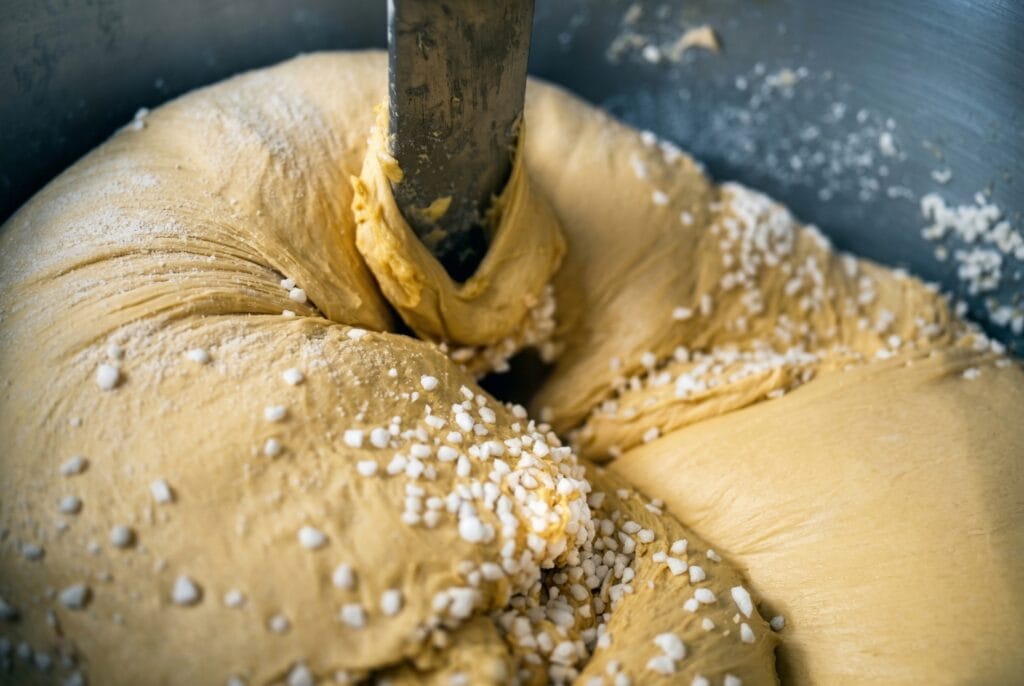
  • Ingredient Specifications: The granulometry and degree of compaction of pearl sugar are truly critical factors. This ingredient would not function merely as a sweetener; rather, it should act as a fundamental structural element within the waffle.
  • Melting Points and Phase Transition: The kinetics behind the thermal process suggest that the pearl sugar should reach between 160°C and 180°C within the baking plates. Controlling this exact moment might prevent bitter notes derived from the premature burning of sugars.
  • Dual Behavior: Sugar located inside the dough could retain its crunchy integrity due to the protection of the gluten network and trapped steam. Simultaneously, the sugar on the exterior surface should melt rapidly upon contact with the hot iron.

The Intersection: Maillard Reaction, Caramelization, and pH

The climax of the process occurs when fermentation dynamics directly collide with the thermal stress of baking.
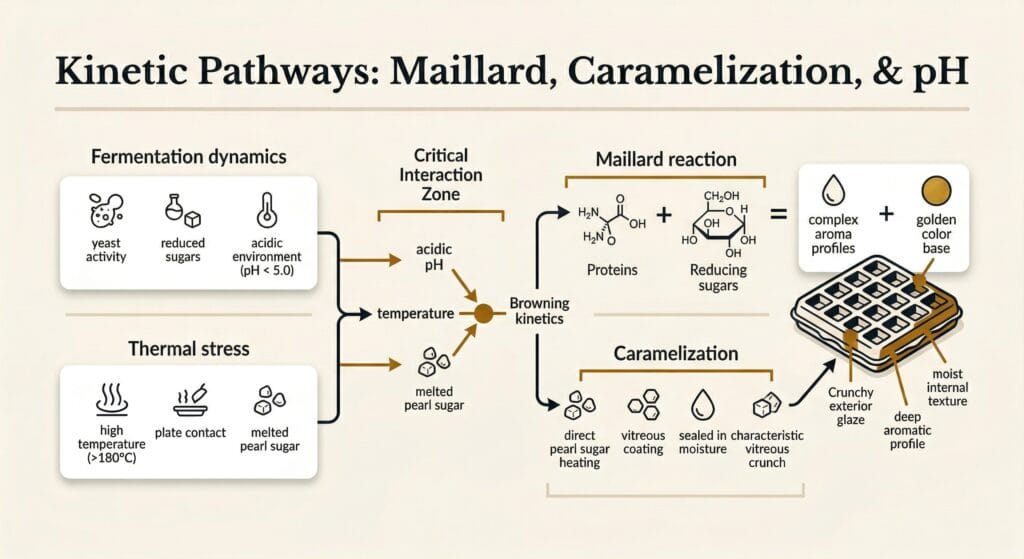
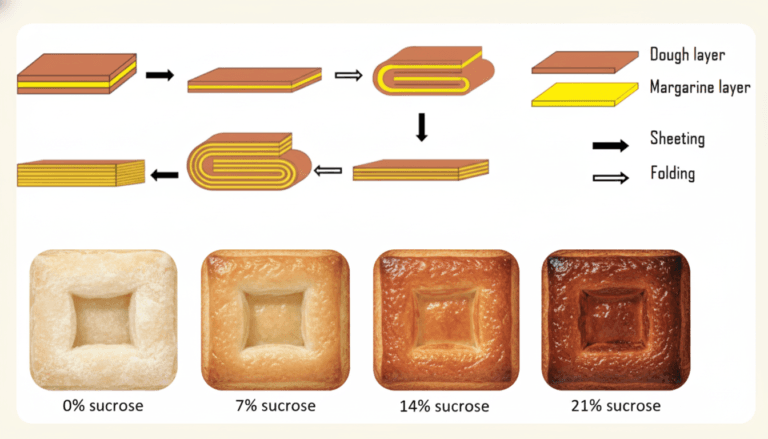
  • Browning Kinetics: The slightly acidic environment, created by the previous fermentation, might interact in a fascinating way with the high temperatures of the plates and the melted sugar. This technical combination usually generates a very appealing golden color.
  • Maillard versus Caramelization: It is vital to understand this technical differentiation. The Maillard reaction, involving flour/milk proteins and reducing sugars, would form the base aromatic profile; whereas the direct caramelization of pearl sugar could create the characteristic vitreous coating. This glaze would seal in moisture and define the iconic crunchy exterior texture of the Belgian waffle.

😊 Thanks for reading!

Sources:

  • https://www.youtube.com/watch?v=UHvCQUnF3ZY
  • https://sugden.ltd.uk/soft-waffles/
  • https://sugden.ltd.uk/wp-content/uploads/2021/11/Sugden-spec-sheet-belgian-Waffle-14102021.pdf
  • https://gofrex.com/en/what-is-the-difference-between-belgian-waffles-and-liege-waffles/
  • https://www.wafflepantry.com/blog/how-to-easily-prepare-and-store-liege-waffle-dough/
Recommended for You