How De-Proteinized Wheat is Fixing the Gluten Free Crumble
Mixing rice flour and gums, praying for an airy crust, only to pull a dense, white disc from the oven. The industry’s…

Deep technical insights into functional baking ingredients, clean-label formulation, bio-solutions, and alternative baking matrices. Analysis of enzymes, emulsifiers, fats, sugars, hydrocolloids, and specialty grain fractions.
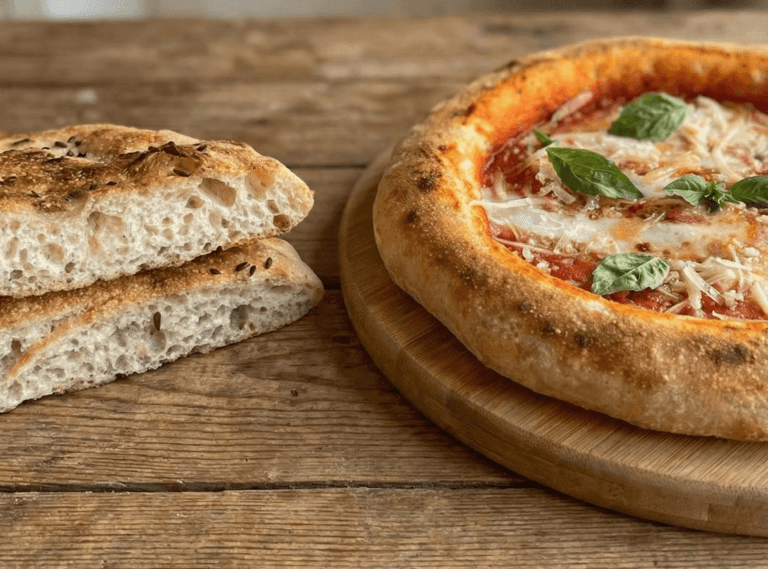
Mixing rice flour and gums, praying for an airy crust, only to pull a dense, white disc from the oven. The industry’s…
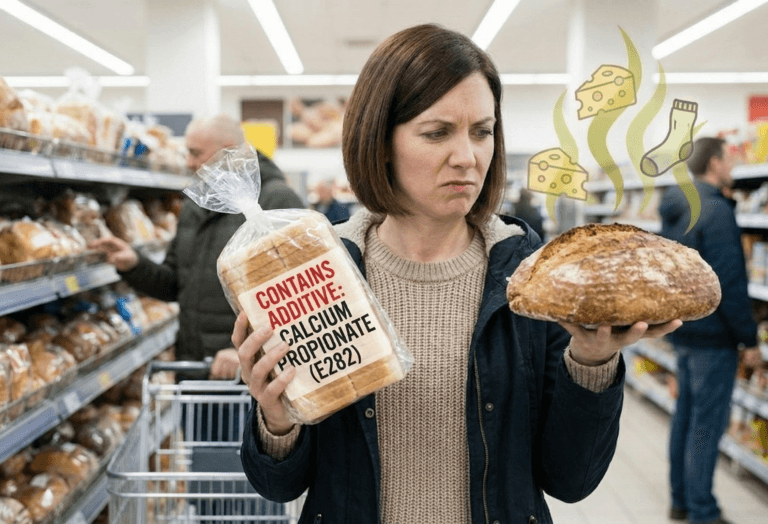
Struggling to remove Calcium Propionate (E282) without sacrificing shelf life? New biotech offers a workaround; generating the preservative inside the dough so…
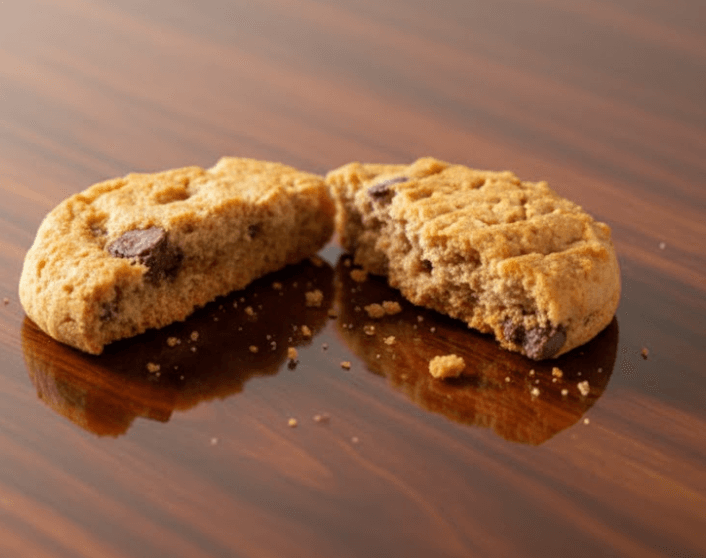
Reducing fat usually kills that tender, short bite we love, but a new 2025 patent application (Pub. 20250134124) might finally solve the…
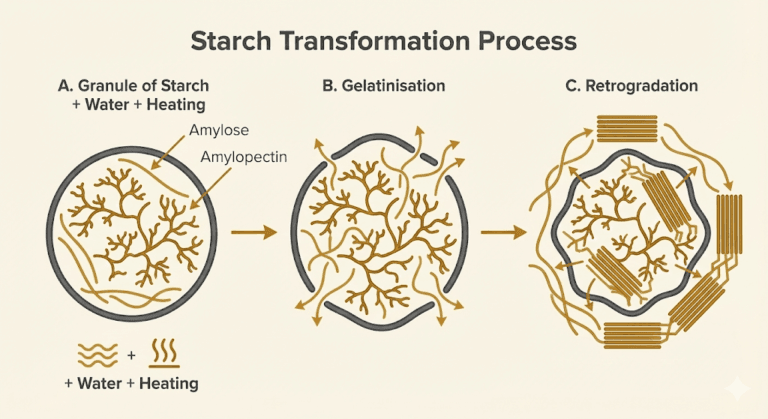
Bread going stale is the ultimate headache for every baker. We often blame simple moisture loss, but the science suggests it’s actually…
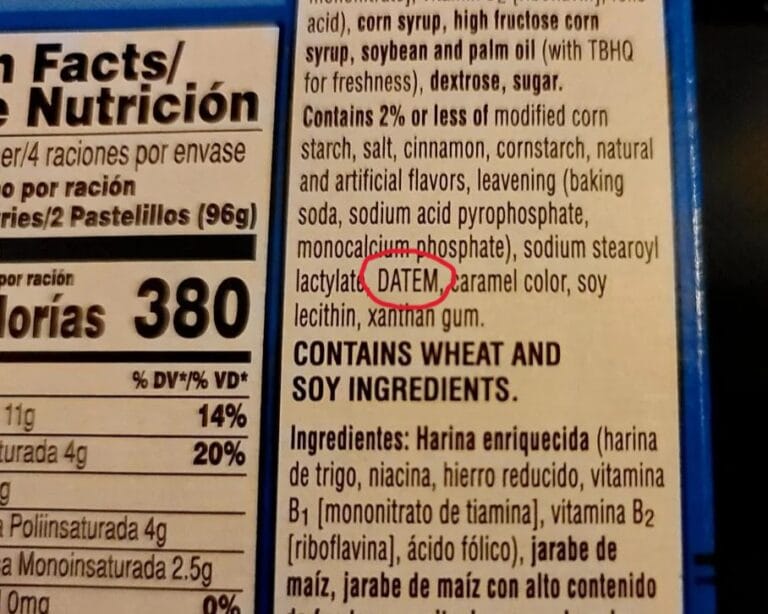
Consumers demand "clean label". Removing DATEM (Diacetyl Tartaric Acid Esters of Monoglycerides) often means sacrificing dough tolerance, while egg price volatility threatens…
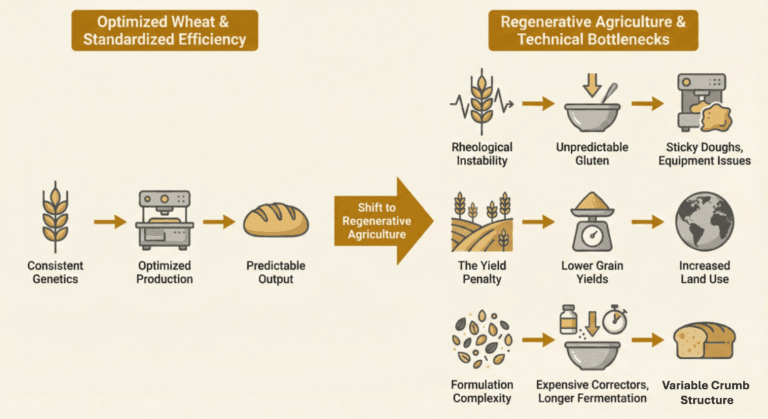
Corporate sustainability pledges are colliding with production reality. Regenerative agriculture introduces dangerous raw material variability and cost spikes, threatening high-speed line efficiency…
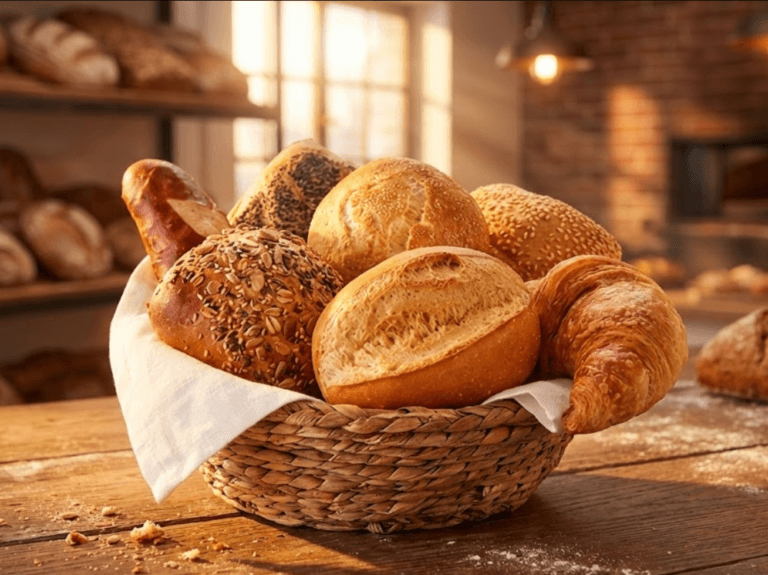
Rising vital wheat gluten costs and the use of composite flours threaten dough stability; a new enzyme-hydrocolloid complex replaces added gluten at…
Milk bread, often associated with Japanese shokupan, is known for its exceptionally soft, tender crumb and delicate structure.
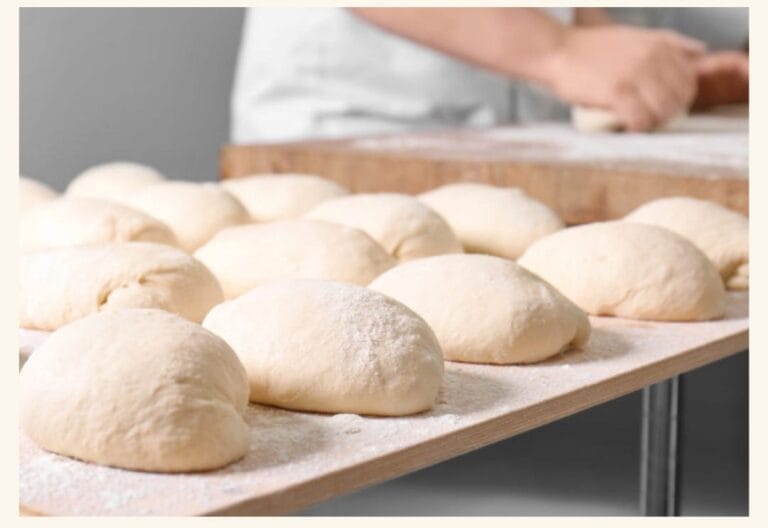
Redox agents shape dough development and final quality. Each bread making method requires specific oxidation and reduction levels that influence gluten structure,…
Ingredients influence the water level in biscuit and cookie doughs. This is because water content directly affects dough rheology, gluten development, and…
Technical insights, trends, and innovations.
The premier source of insights for the baking sector.