Ditching DATEM and Cutting Costs: The Enzyme You Might Be Missing
Consumers demand "clean label". Removing DATEM (Diacetyl Tartaric Acid Esters of Monoglycerides) often means sacrificing dough tolerance, while egg price volatility threatens…

Anti-staling maltogenic amylases, thermostable proteases, hemicellulases, and machine learning-designed enzyme complexes.
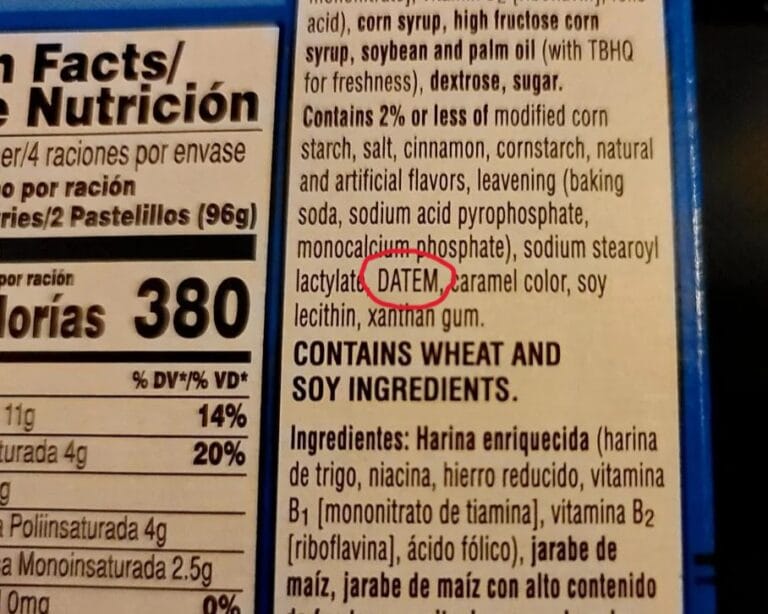
Consumers demand "clean label". Removing DATEM (Diacetyl Tartaric Acid Esters of Monoglycerides) often means sacrificing dough tolerance, while egg price volatility threatens…
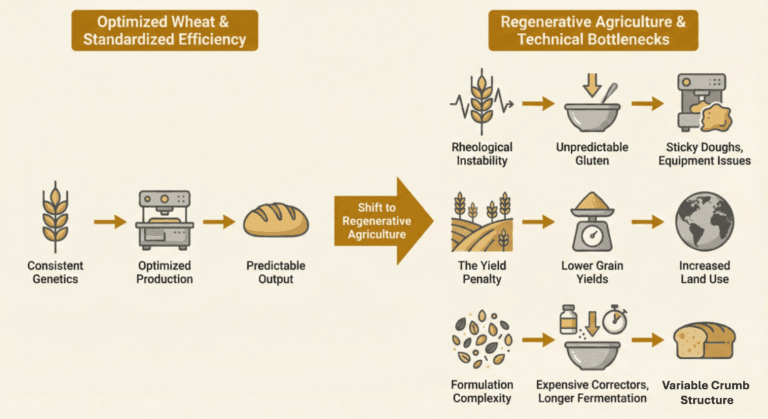
Corporate sustainability pledges are colliding with production reality. Regenerative agriculture introduces dangerous raw material variability and cost spikes, threatening high-speed line efficiency…
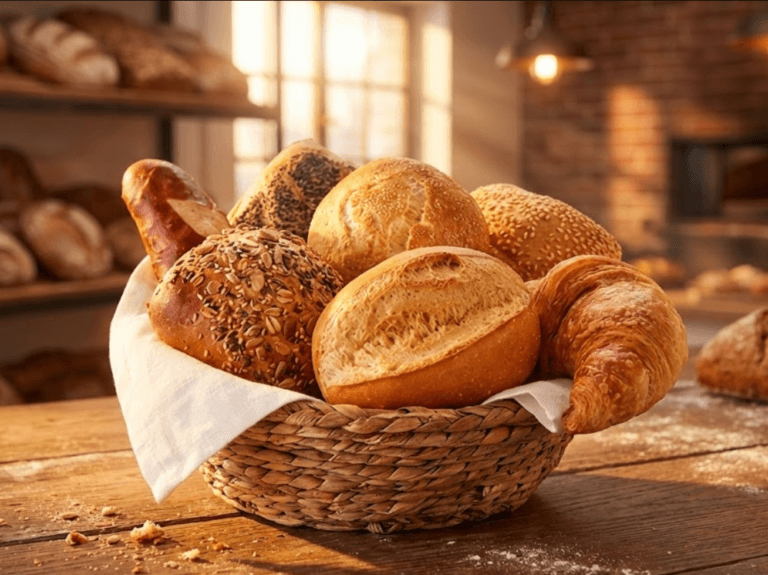
Rising vital wheat gluten costs and the use of composite flours threaten dough stability; a new enzyme-hydrocolloid complex replaces added gluten at…
Milk bread, often associated with Japanese shokupan, is known for its exceptionally soft, tender crumb and delicate structure.
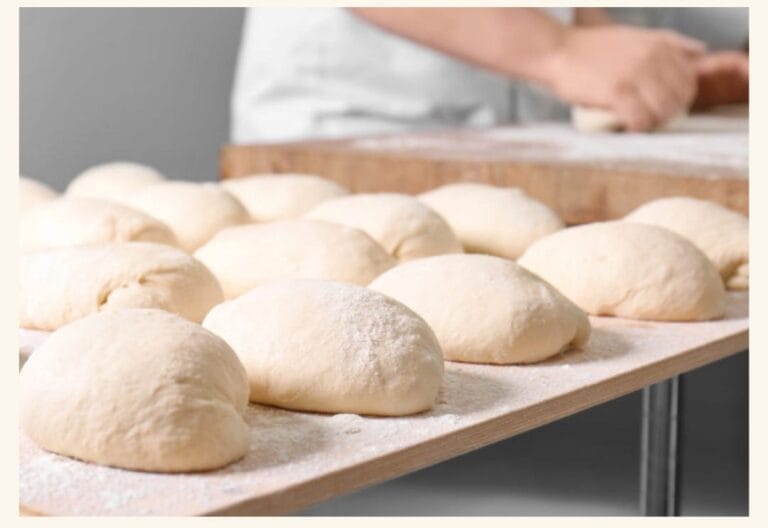
Redox agents shape dough development and final quality. Each bread making method requires specific oxidation and reduction levels that influence gluten structure,…
Ingredients influence the water level in biscuit and cookie doughs. This is because water content directly affects dough rheology, gluten development, and…
Consumers tend to avoid chemical-sounding additives (like bromate, ADA, SSL, etc.), which is making bakeries increasingly turn to enzymes as natural dough conditioners and…
Ascorbic acid is chemically a reducing agent.
Eggs contribute to the structure, moisture, and aeration of sponge cakes.
These enzymes break down hemicellulose, a key component of plant cell walls, into simpler sugars, enhancing dough properties and creating high-quality, fluffy…
Technical insights, trends, and innovations.
The premier source of insights for the baking sector.