Skip to content
Bakery Industry Insider
  • Contact
PARTNER WITH US
Bakery Industry Insider
  • How to Optimize Fermentation and Baking in Belgian Waffle Lines
    Dough & Fermentation Science

    How to Optimize Fermentation and Baking in Belgian Waffle Lines

    ByMaite Carricaburu March 31, 2026March 31, 2026

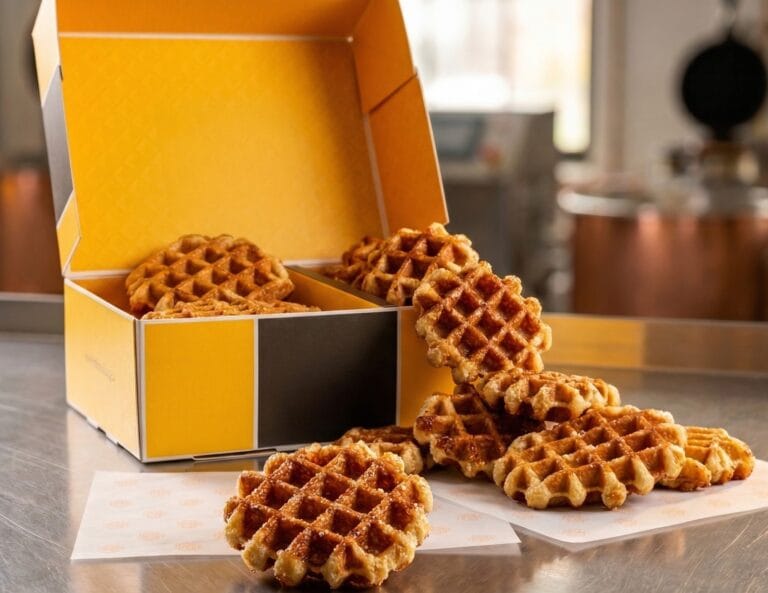
    Struggling with collapsed textures or burnt sugars during scale-up? Balancing a live dough with pearl sugar represents the ultimate technical hurdle for the Belgian waffle. Understanding thermal and fermentation kinetics might be the definitive solution to stabilize your line and ensure profitability.
    Read More How to Optimize Fermentation and Baking in Belgian Waffle LinesContinue

  • Fermentation and Preferments: The Science Behind Better Bread
    Dough & Fermentation Science

    Fermentation and Preferments: The Science Behind Better Bread

    ByMaite Carricaburu March 19, 2026March 19, 2026

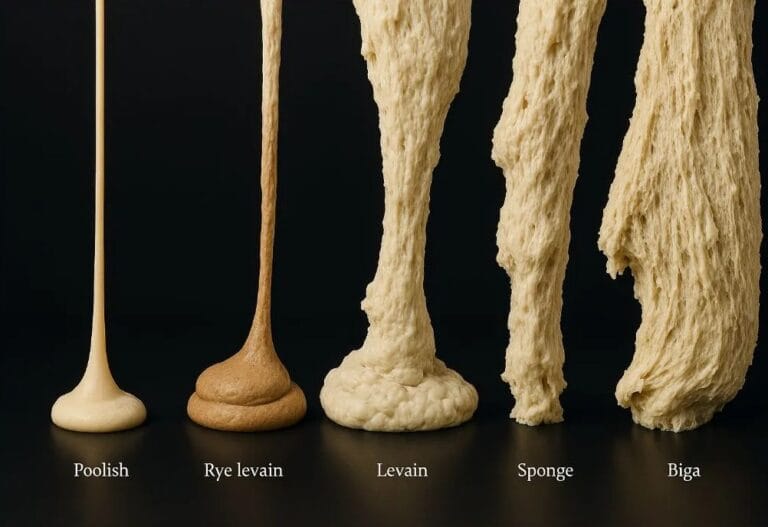
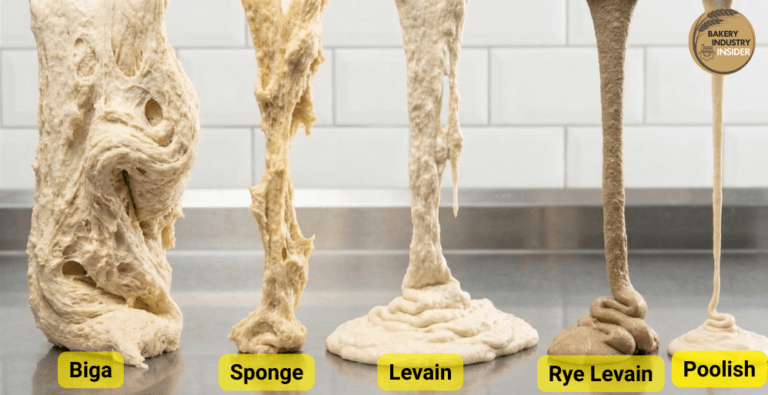
    Bread lacks depth. The crumb is bland, the crust smells of little, and more yeast only makes things worse. The issue is not the formula; it is the fermentation strategy. Understanding how preferments work, and choosing the right one, may be the most impactful change a baker can make.

    Read More Fermentation and Preferments: The Science Behind Better BreadContinue

  • Dough & Fermentation Science

    The Science of Balancing Salt and Yeast

    ByMaite Carricaburu March 5, 2026March 3, 2026

    Struggling with dough that ferments too rapidly or yields a bland final product? Unchecked fermentation could lead to weak structures and uninspiring tastes. By carefully calibrating salt concentrations within the dough, bakers might effectively regulate yeast metabolism and unlock deeply complex flavor profiles in their premium baked goods.

    Read More The Science of Balancing Salt and YeastContinue

  • The Absorption Fallacy: Practical Limits of Hydration
    Dough & Fermentation Science

    The Absorption Fallacy: Practical Limits of Hydration

    ByMaite Carricaburu February 5, 2026February 4, 2026

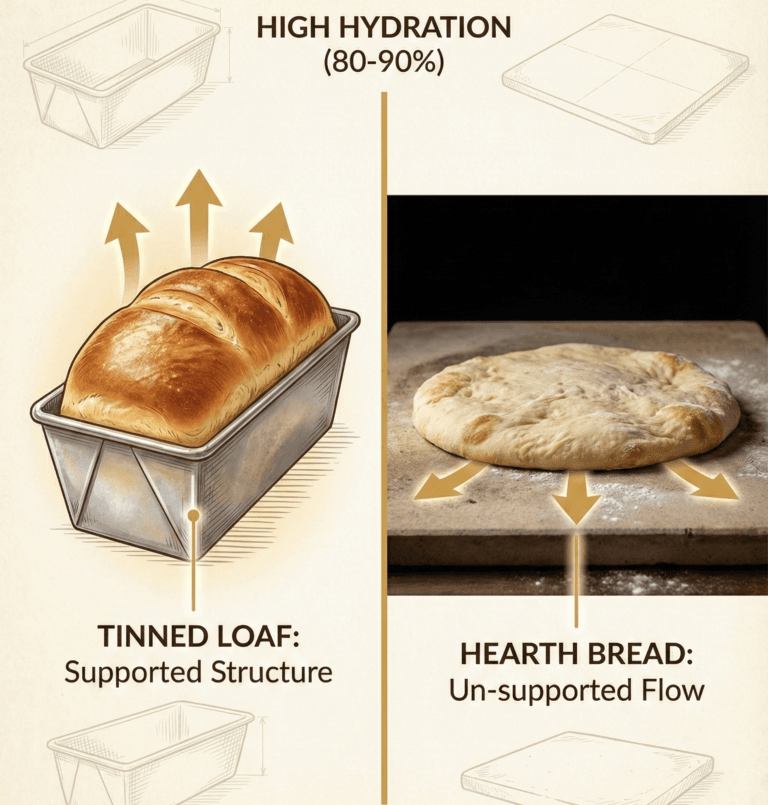
    Chasing the maximum water absorption of your flour often leads to unmanageable dough and flat loaves. Ignoring the difference between laboratory values and bakery reality compromises structure. Mastering consistency requires prioritizing process over percentages; ensuring your bread is defined by its quality, not just its water content.

    Read More The Absorption Fallacy: Practical Limits of HydrationContinue

  • Why Wholemeal Flour Has Higher Protein But Produces Smaller Bread Volume.
    Dough & Fermentation Science

    Why Wholemeal Flour Has Higher Protein But Produces Smaller Bread Volume.

    ByMaite Carricaburu December 26, 2025January 17, 2026

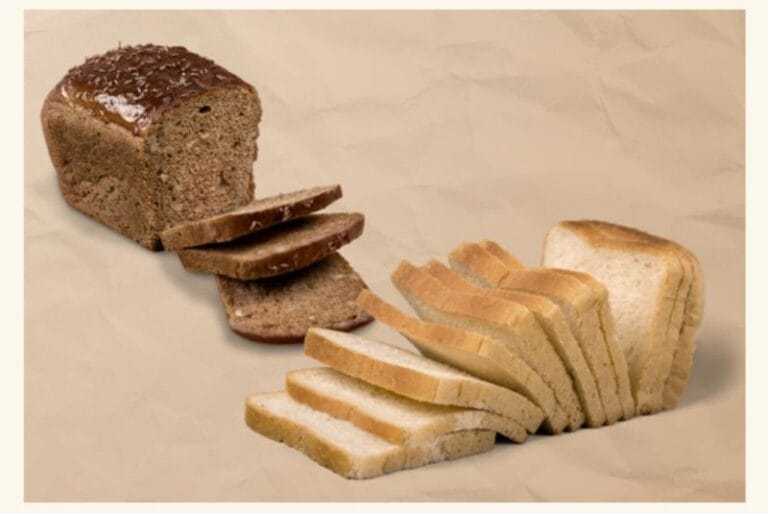
    Wholemeal flour is often associated with higher protein content than white flour, yet, its bread typically exhibits a smaller volume.

    Read More Why Wholemeal Flour Has Higher Protein But Produces Smaller Bread Volume.Continue

  • Sugar, yeast, and laminated pastries: mastering the art of perfect balance.
    Dough & Fermentation Science

    Sugar, yeast, and laminated pastries: mastering the art of perfect balance.

    ByMaite Carricaburu December 18, 2025January 17, 2026

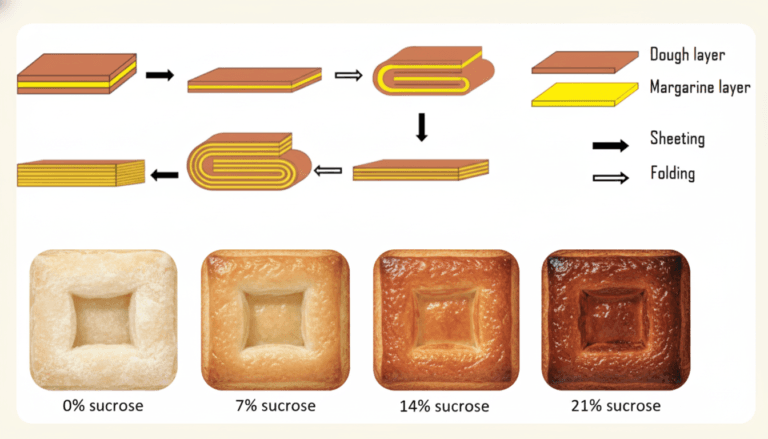
    Inconsistent volume and flavor often plague pastry formulations when sugar levels shift. This guide breaks down how sucrose hydrolysis and osmotic stress govern fermentation dynamics; offering the technical keys to balancing sweetness; rheology; and product height for perfect layered results

    Read More Sugar, yeast, and laminated pastries: mastering the art of perfect balance.Continue

  • Dough & Fermentation Science

    How Gluten Forms

    Byljpiacentini@gmail.com December 15, 2025January 17, 2026

    At the heart of this process are proteins, particularly gluten-forming proteins, which build the viscoelastic structure that holds gas and gives dough its unique handling properties.

    Read More How Gluten FormsContinue

  • Dough & Fermentation Science

    Why Whole Wheat Flour Ferments Faster Than White Flour

    Byljpiacentini@gmail.com December 15, 2025January 17, 2026

    This difference arises from the nutritional, enzymatic, and microbiological properties of whole grain flour.

    Read More Why Whole Wheat Flour Ferments Faster Than White FlourContinue

  • Understanding Ash Content in Flour: Looking for Consistent Results.
    Dough & Fermentation Science

    Understanding Ash Content in Flour: Looking for Consistent Results.

    Byljpiacentini@gmail.com December 13, 2025January 17, 2026

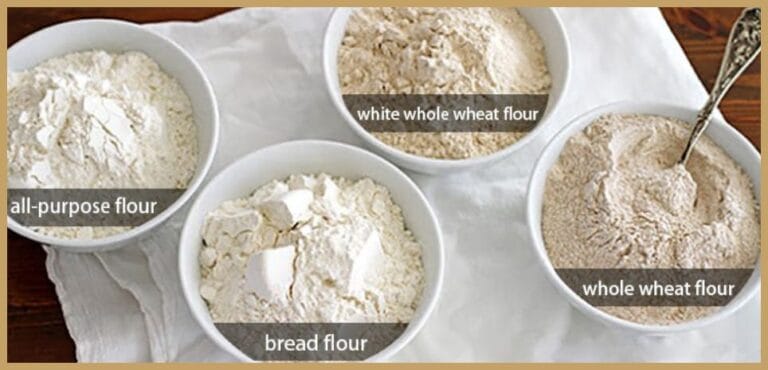
    Flour quality greatly impacts baking outcomes, yet ash content is often overlooked. What does it reveal, and how can it solve bakery challenges?

    Read More Understanding Ash Content in Flour: Looking for Consistent Results.Continue

  • Choosing the Right Fermentation Method for Bread Production
    Dough & Fermentation Science

    Choosing the Right Fermentation Method for Bread Production

    Byljpiacentini@gmail.com December 13, 2025January 17, 2026

    Fermentation shapes the flavor, aroma, and texture of bread. The ideal method depends on your goals-whether efficiency, flavor development, or process control. There are three primary approaches: 1. Direct FermentationAlso known as the straight dough method, this technique involves adding commercial yeast directly to the dough. It’s fast and consistent, ideal for high-volume production, but…

    Read More Choosing the Right Fermentation Method for Bread ProductionContinue

About Us
Contact
Partner With Us
Subscribe Now

© 2026 Bakery Industry Insider - Privacy Policy

We use cookies to improve your browsing experience and analyze traffic. By clicking Accept, you agree to our use of cookies. See our Privacy Policy.

NEWSLETTER

Join 10,000+ Bakery Insiders

Get technical insights, machinery trends, and process innovations driving the global industrial baking sector.

SUBSCRIBE NOW
Facebook X Instagram Linkedin
PARTNER WITH US
  • Contact
Facebook X Instagram Linkedin
Search