Optimizing Hydration in Gluten-Free Bread
Dense and dry doughs? Achieving the ideal texture in gluten-free baking might seem unattainable when breads collapse. The solution could lie in hydration. Adjusting water along with specific hydrocolloids could transform a heavy crumb into a highly competitive product.
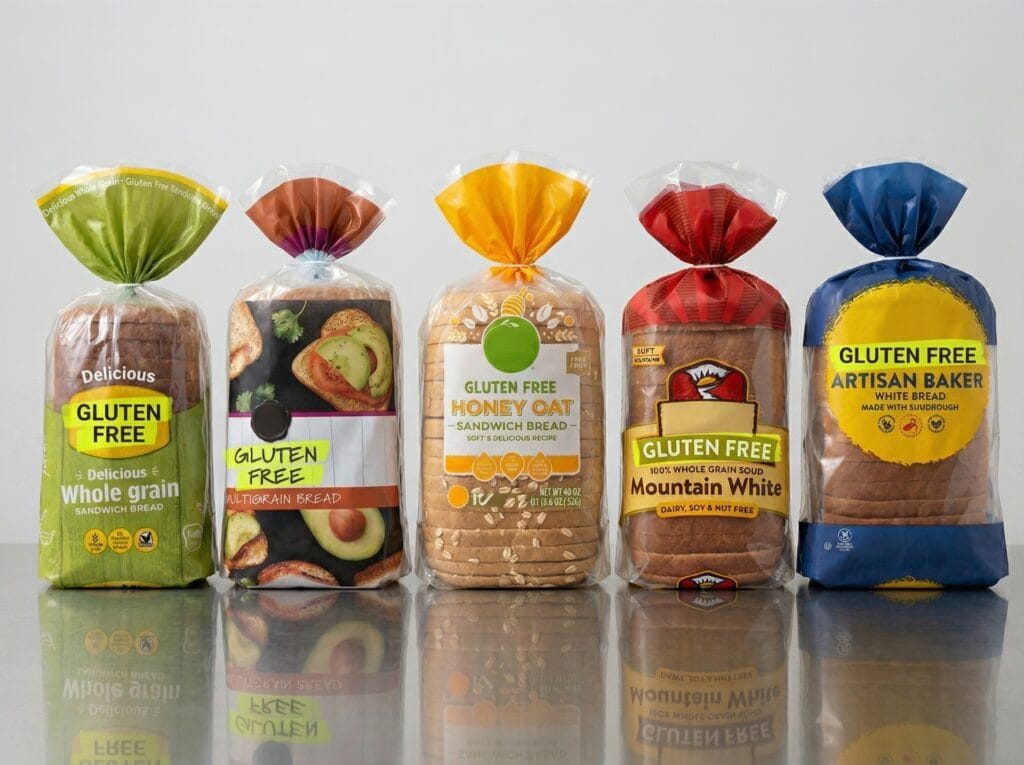
The development of gluten-free baking usually presents major technical challenges. Replicating the viscoelastic network of wheat might suggest finding efficient structural substitutes.
Formulation with hydrocolloids would play a fundamental role in attempting to improve gas retention and volume. However, success depend on a critical factor; the optimal hydration level, which would vary drastically depending on the starchy base used.
The Behavior of Hydrocolloids
The interaction between the hydrocolloid and the carbohydrate base could significantly affect the volume and final texture of the bread.
HPMC (Hydroxypropyl methylcellulose)
This polymer could be the most effective for attempting to maximize specific volume, especially when combined with corn starch at a hydration close to 80 percent. Its apparent capacity to form thermoreversible gels would help establish the walls of the gas cells.
Nevertheless, breads with HPMC usually present greater weight loss through evaporation during baking. Additionally, when equating volumes in rice flour matrices, HPMC might generate a harder crumb compared to other fibers.
Xanthan Gum
This additive usually generates considerably viscous and stable doughs. In formulations with rice flour or corn starch, optimal hydration could reach between 100 and 110 percent. It provides excellent structural integrity and water retention, although incorrect hydration could result in a texture that is too dense.
Psyllium
This natural fiber usually presents a rheological and water-loss behavior very similar to xanthan, being highly valued for its clean label profile. It retains moisture effectively, but excessive hydration in corn starch matrices could weaken the internal architecture; this would cause the piece to sink and generate holes during baking.
The Structural Contrast: Wheat versus Rice
The carbohydrate source would be just as important as the binder. Practical research published in the journal npj Science of Food would offer a brilliant technical perspective by comparing the internal architecture of these systems.
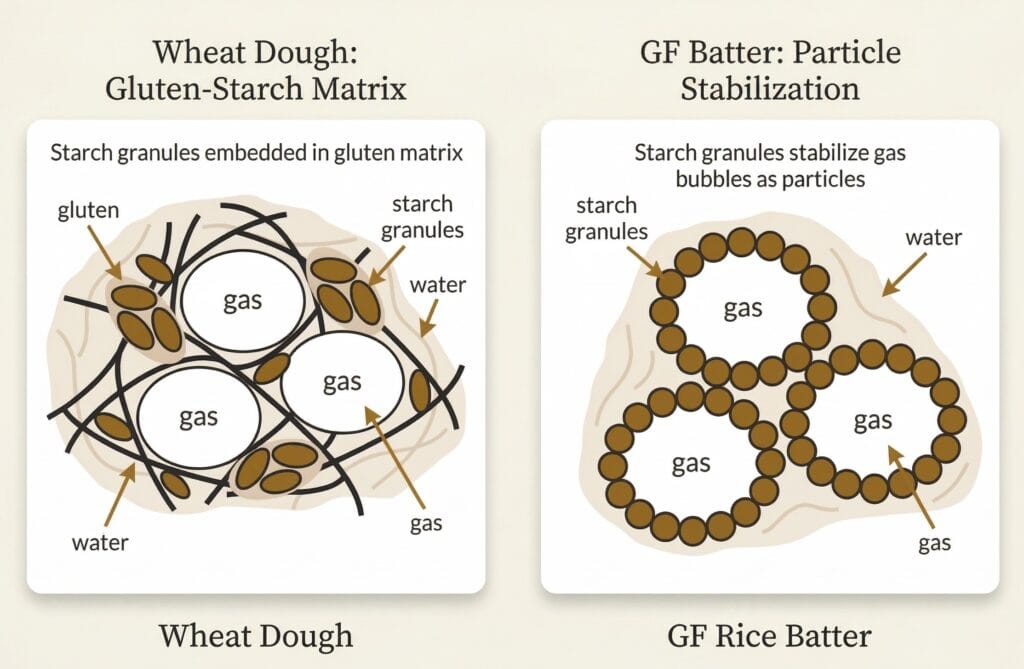
In traditional bread, wheat flour would achieve its characteristic structure thanks to the gluten network. Upon hydrating and being subjected to mechanical work, specific proteins like gliadin and glutenin would form a continuous and viscoelastic three-dimensional matrix. This network would act like an elastic fabric; it would effectively trap the carbon dioxide produced during fermentation and would allow for sustained expansion without collapsing.
On the contrary, rice flour would completely lack this network-forming capacity. The resulting mixture would behave more like a fluid or dense batter than an elastic bread dough.
The structure of rice bread would depend almost entirely on the gelatinization of its starches during baking and the intervention of external agents. Here, hydrocolloids would attempt to mimic the cohesion and extensibility of gluten to encapsulate the gases.
Correctly integrating water into this rice matrix could be the absolute key to stabilizing the air cells, although it would also represent a huge challenge to retain volatile compounds and replicate the classic sensory experience.
Industrial Production
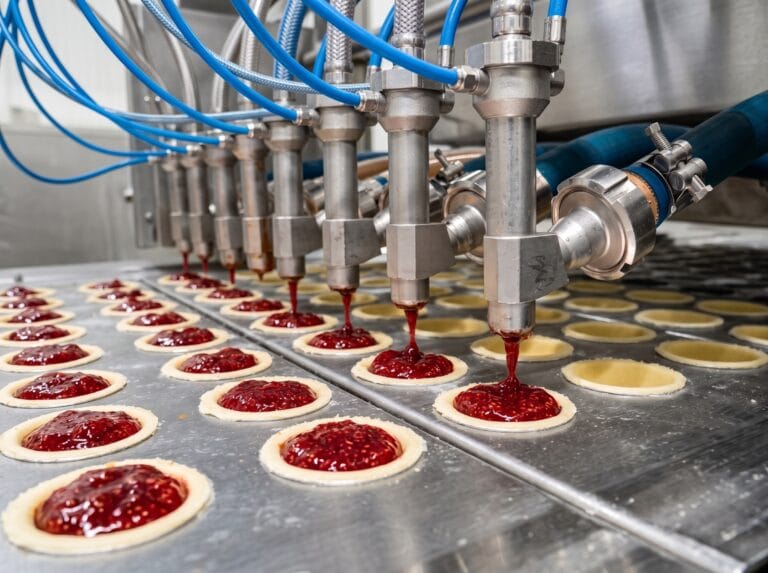
The large-scale baking industry seems to have evolved to handle these complex interactions with greater precision.
😊 Thanks for reading!
Sources:
- Effect of Hydration on Gluten-Free Breads Made with Hydroxypropyl Methylcellulose in Comparison with Psyllium and Xanthan Gum, Mayara Belorio and Manuel Gómez. https://doi.org/10.3390/foods9111548
- Recent practical researches in the development of gluten-free breads. npj Science of Food. https://www.nature.com/articles/s41538-019-0040-1
For more insights on these industry topics, check out our analyses on HOT TREND: The "Dubai Jjonddeuk" Sphere., Uptime Assurance Explained: What It Means for Your Business Reliability, and Why "Organized" Starch Kills Softness: Using Science to Pick Better Enzymes..